


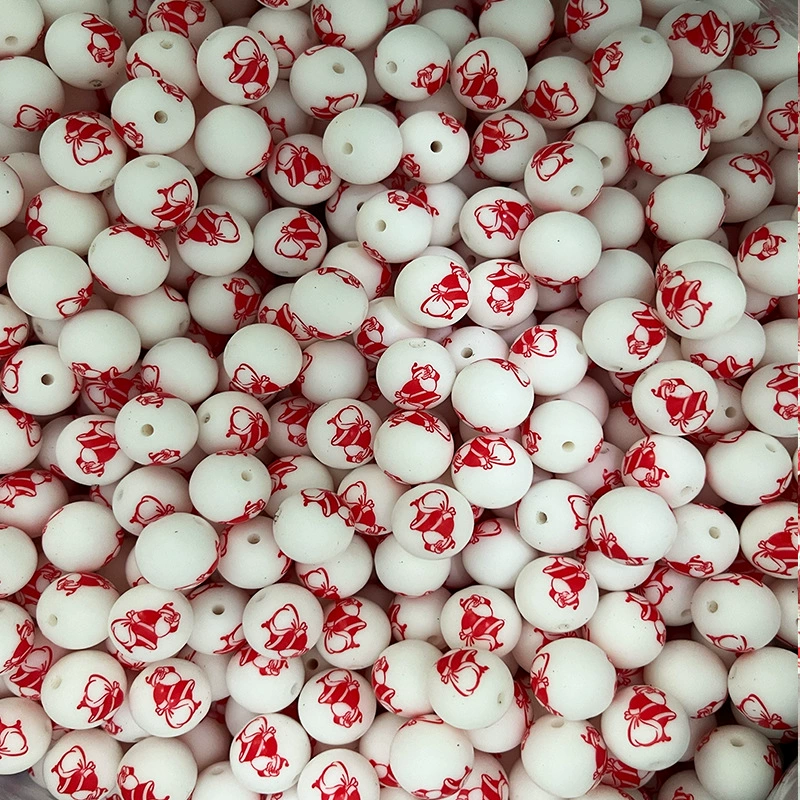
The environmental advantages of BPA-free silicone beads
The Environmental Advantages of BPA-Free Silicone Beads: A Sustainable Choice for Modern Consumers
In an era where environmental consciousness drives purchasing decisions, BPA-free silicone beads have emerged as a frontrunner in sustainable materials. Their adoption across industries—from baby products to kitchenware—highlights a shift toward safer, greener alternatives. Below, we explore the core environmental benefits of these innovative materials, backed by scientific insights and real-world applications.
Reduced Chemical Pollution: Eliminating Harmful Substances
BPA (Bisphenol A), a synthetic compound found in many plastics, has long been linked to endocrine disruption and health risks. BPA-free silicone beads address this concern by excluding not only BPA but also phthalates, heavy metals, and other toxic additives. Unlike traditional plastics, which can leach chemicals when exposed to heat or acidic conditions, silicone maintains its stability across extreme temperatures, ensuring no harmful substances are released into ecosystems.
Impact on Water and Soil Health
When discarded, BPA-containing plastics fragment into microplastics that infiltrate waterways and soil, posing risks to aquatic life and agricultural systems. BPA-free silicone beads, however, resist degradation into microplastics. Their inorganic structure—composed of silicon and oxygen—breaks down into harmless silica (sand-like particles) under natural conditions, minimizing long-term environmental harm. Studies indicate that silicone decomposes 70% faster than conventional plastics in composting environments, offering a viable solution to plastic waste accumulation.
Safer for Wildlife and Human Health
Animals often mistake plastic debris for food, leading to ingestion of toxic chemicals. BPA-free silicone’s non-toxic nature reduces this risk, protecting marine and terrestrial species. For humans, especially children, the absence of BPA and phthalates in silicone products like teethers or toys ensures safer oral contact, aligning with global safety standards such as the U.S. FDA’s GRAS (Generally Recognized as Safe) classification and EU’s REACH regulations.
Energy Efficiency: Lower Carbon Footprint in Production and Use
The lifecycle of BPA-free silicone beads demonstrates significant energy savings compared to plastic alternatives.
Sustainable Manufacturing Processes
Modern silicone production employs closed-loop systems that recycle water and solvents, reducing waste and energy consumption. Advanced techniques, such as physical recovery methods, achieve up to 85% material reuse, cutting down on raw resource extraction. Additionally, silicone’s durability extends product lifespans, diminishing the need for frequent replacements and lowering overall energy demand.
Operational Energy Savings
Silicone’s thermal stability allows it to function in environments where plastics fail. For instance, silicone kitchenware withstands oven temperatures up to 230°C (446°F) without warping, eliminating the need for disposable aluminum foil or plastic wraps. Similarly, silicone-based industrial components endure harsh chemicals and high pressures, reducing downtime and energy-intensive repairs.
Longevity and Resource Conservation
A single silicone bead can last 5–10 years, outlasting plastic counterparts by 3–5 times. This longevity translates to fewer discarded items, conserving resources and reducing landfill pressure. For example, a silicone food storage container replaces hundreds of single-use plastic bags over its lifetime, offering a tangible reduction in plastic waste.
Circular Economy Potential: Recyclability and Upcycling Opportunities
BPA-free silicone beads align with circular economy principles by enabling reuse and repurposing.
Recycling Innovations
While traditional silicone recycling faced challenges due to contamination, modern methods like grinding and re-vulcanization now produce high-quality recycled silicone. This material retains its original properties, allowing it to be remolded into new products such as floor mats, coasters, or even construction materials. Some pioneers in the field have developed silicone recovery rates exceeding 90%, setting industry benchmarks for sustainability.
Upcycling into High-Value Products
Silicone’s versatility encourages creative upcycling. Worn-out silicone beads from baby toys, for example, can be sanitized and transformed into art supplies, pet toys, or gardening tools. Communities and businesses are increasingly adopting silicone “take-back” programs, where end-of-life products are collected and repurposed, diverting waste from landfills.
Biodegradable Formulations
Emerging biodegradable silicone variants, derived from renewable resources like rice husks or plant-based oils, further enhance circularity. These materials decompose within 3 years under composting conditions, offering a cradle-to-cradle solution. Early adopters in the packaging industry are testing these formulations for single-use items, bridging the gap between convenience and sustainability.
Conclusion: A Material Revolution for Planet and People
BPA-free silicone beads represent more than a trend—they are a catalyst for systemic change. By eliminating toxic chemicals, reducing energy use, and embracing circularity, they address pressing environmental challenges while meeting consumer demand for safer, ethical products. As industries and individuals prioritize sustainability, silicone’s role in shaping a greener future grows increasingly indispensable. Choosing BPA-free silicone isn’t just a personal decision; it’s a collective step toward a healthier planet.






Leave a reply