


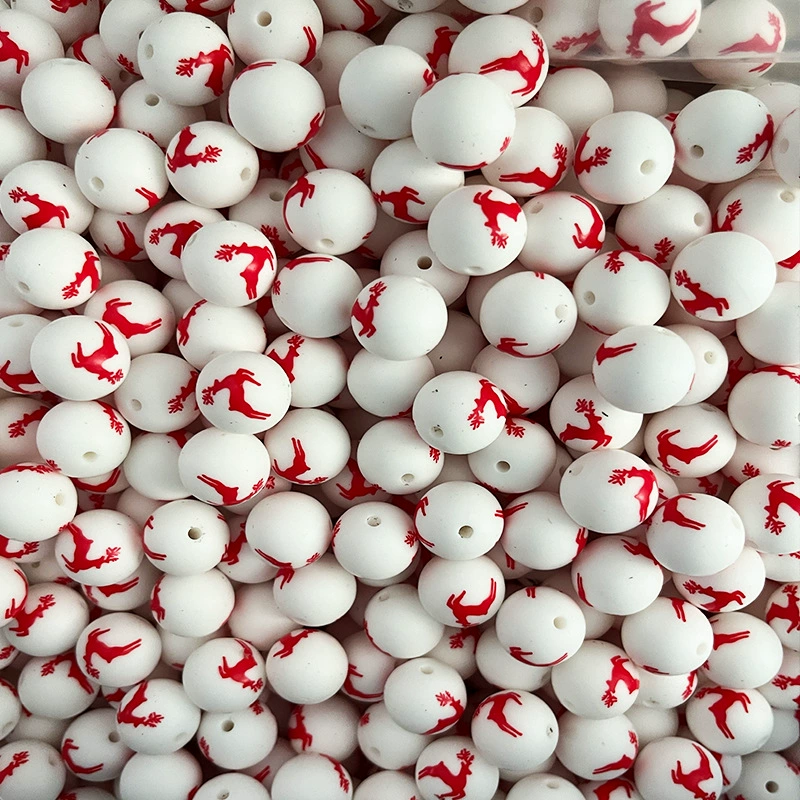
The touch characteristics of soft silicone beads
The Unique Tactile Experience of Soft Silicone Beads
Soft silicone beads are celebrated for their distinctive feel, offering a blend of elasticity, smoothness, and adaptability that sets them apart from other materials. Their tactile properties make them ideal for applications ranging from consumer products to medical devices, where comfort and user interaction are critical. Below, we explore the key characteristics that define their touch, their role in enhancing user experience, and the factors influencing their softness.
Velvety Smooth Surface Texture
One of the most noticeable features of soft silicone beads is their inherently smooth surface. Unlike harder plastics or rough-textured rubbers, silicone beads glide effortlessly against the skin, creating a frictionless interaction. This smoothness arises from silicone’s molecular structure, which forms a uniform, non-porous layer that prevents microscopic irregularities.
The surface finish of silicone beads can vary based on manufacturing techniques. Some beads are polished to a high sheen, enhancing their slipperiness for applications like skincare tools or wearable accessories. Others retain a matte texture, offering a subtle grip that’s useful in handheld devices or stress-relief toys. This versatility allows designers to tailor the tactile experience to specific needs without compromising softness.
Elasticity and Responsiveness to Pressure
Soft silicone beads are highly elastic, meaning they deform under pressure but quickly return to their original shape when released. This property, known as “rebound resilience,” creates a dynamic interaction with the user. When squeezed, the beads compress smoothly, distributing force evenly across their surface. Upon release, they snap back instantly, providing a satisfying tactile feedback loop.
This elasticity is particularly valuable in products like ergonomic grips, where the beads conform to the hand’s contours, reducing fatigue during prolonged use. In medical applications, such as prosthetic liners, the responsive nature of silicone beads helps distribute pressure evenly, preventing discomfort or skin irritation. The degree of elasticity can be adjusted by modifying the silicone’s cross-link density, allowing for customization based on application requirements.
Adaptability to Body Contours and Temperature
Soft silicone beads excel at adapting to irregular shapes, making them ideal for applications involving body contact. Their pliability allows them to mold to curves like wrists, fingers, or facial features, creating a customized fit that enhances comfort. For example, a silicone bead in a wristband will contour to the wearer’s pulse point, staying securely in place without digging into the skin.
Temperature also plays a role in their tactile experience. Silicone beads remain relatively stable across a wide temperature range, neither becoming overly stiff in cold nor sticky in heat. This neutrality ensures consistent softness, whether used in a freezing environment or a humid climate. Some advanced formulations even incorporate thermal-regulating properties, maintaining a comfortable touch by wicking away moisture or dissipating heat.
Role in Enhancing User Experience Across Industries
Consumer Products and Wearables
Soft silicone beads are widely used in products designed for daily use, such as phone cases, keychains, and jewelry. Their smooth texture and gentle elasticity make them pleasant to touch, encouraging prolonged interaction. A silicone bead on a fidget spinner, for instance, provides a soothing tactile experience that helps reduce stress, while a bead-embedded phone grip enhances hold without adding bulk.
In wearable tech, silicone beads improve comfort and functionality. Smartwatch bands often incorporate silicone beads to create adjustable, breathable closures that stay secure during activity. The beads’ ability to flex without irritating the skin makes them ideal for long-term wear, even during exercise or sleep.
Medical and Therapeutic Applications
The medical field leverages soft silicone beads for their biocompatibility and tactile benefits. In orthotics, silicone beads are used to create cushioning layers that reduce pressure on sensitive areas, such as heels or elbows. Their softness minimizes friction, preventing blisters or calluses in patients with limited mobility.
Therapeutic tools, like massage balls or stress relievers, rely on silicone beads for their malleable yet supportive feel. When rolled against the body, the beads provide targeted pressure that helps release muscle tension without causing discomfort. Their hypoallergenic nature also makes them safe for use in pediatric or geriatric care, where skin sensitivity is a concern.
Industrial and Ergonomic Design
In industrial settings, soft silicone beads enhance the usability of tools and machinery. Handles for handheld devices, such as drills or pens, often feature silicone bead inserts to improve grip and reduce vibration. The beads’ ability to absorb shock and conform to the hand’s grip reduces fatigue, increasing productivity during repetitive tasks.
Ergonomic furniture, like chair arms or keyboard rests, incorporates silicone beads to create adjustable, pressure-relieving surfaces. The beads’ softness ensures that users maintain proper posture without experiencing discomfort, even during extended periods of sitting or typing.
Factors Influencing the Softness of Silicone Beads
The tactile properties of silicone beads are influenced by several factors during manufacturing:
- Durometer Rating: This measure of hardness determines how soft or firm the beads feel. Lower durometer values (e.g., 20-40 Shore A) indicate softer, more pliable beads, while higher values (e.g., 60-80 Shore A) produce firmer, more resilient beads.
- Additives and Fillers: Incorporating plasticizers or silicone oils can increase softness by reducing cross-link density. Conversely, reinforcing fillers like silica may enhance durability but slightly reduce tactile flexibility.
- Curing Process: The method used to cure silicone (e.g., platinum-cured vs. peroxide-cured) affects its final texture. Platinum-cured silicone tends to be smoher and more consistent, making it preferable for applications requiring a premium tactile experience.
Conclusion
Soft silicone beads offer a unique combination of smoothness, elasticity, and adaptability that enhances user interaction across industries. Their ability to conform to body contours, resist temperature extremes, and provide responsive feedback makes them indispensable in products designed for comfort and functionality. As material science advances, these beads will continue to evolve, offering even more refined tactile experiences that cater to diverse needs and preferences.






Leave a reply