

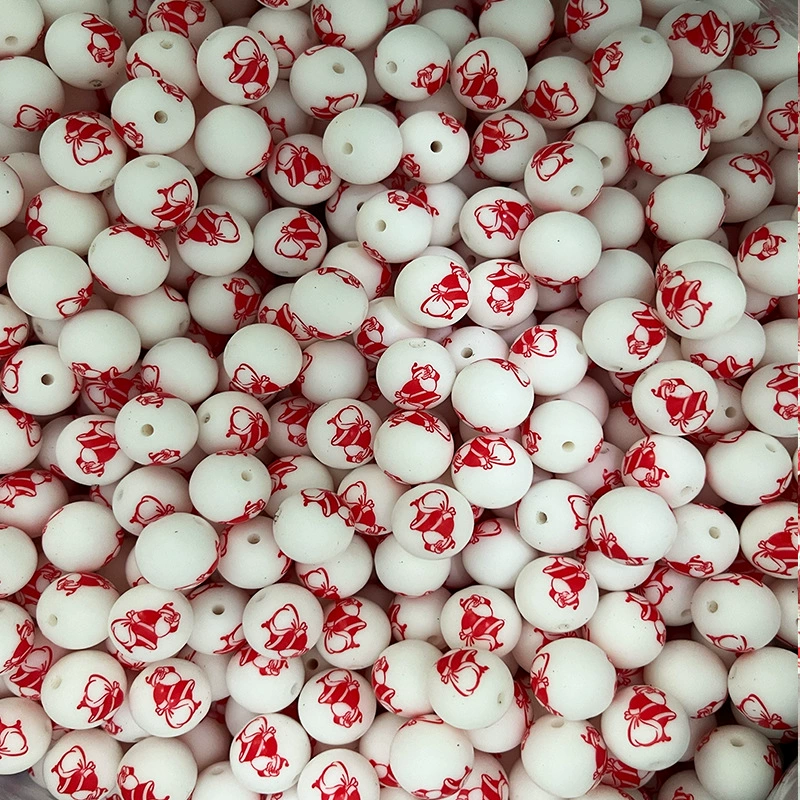
Waterproof silicone beads have moisture-proof properties
Waterproof Silicone Beads: Key Moisture-Resistant Characteristics
Waterproof silicone beads are engineered to resist moisture infiltration, making them ideal for applications ranging from outdoor electronics to medical devices. Their ability to maintain structural integrity and performance in humid or wet environments stems from their unique chemical composition and physical properties. Below are the core characteristics that define their moisture resistance.
Chemical Composition for Water Repellency
Hydrophobic Silicone Polymers
Silicone beads are made from polydimethylsiloxane (PDMS), a polymer with a silicon-oxygen backbone and methyl (-CH₃) side groups. The methyl groups create a non-polar surface that repels water molecules, preventing absorption. This hydrophobic nature ensures that even when submerged, the beads do not swell or degrade, unlike hydrophilic materials like cellulose or certain plastics.
Cross-Linked Molecular Structure
The vulcanization process, which cures liquid silicone into a solid bead, forms a three-dimensional cross-linked network. This structure restricts the movement of polymer chains, making it difficult for water to penetrate. For example, a fully cured silicone bead has a water absorption rate of less than 1% by weight, even after prolonged exposure to high humidity.
Additives for Enhanced Performance
Some formulations incorporate hydrophobic additives like silica nanoparticles or fluorinated compounds to further reduce surface energy. These additives create a micro-rough texture that enhances water repellency by minimizing contact area. For instance, a bead treated with hydrophobic silica can achieve a contact angle exceeding 150°, causing water droplets to bead up and roll off.
Physical Barriers Against Moisture
Dense Surface Layer
The outer layer of a silicone bead forms a dense, impermeable barrier that blocks water vapor transmission. This is critical in applications like cable insulation, where moisture ingress could lead to short circuits. The density of the surface layer is controlled during manufacturing by adjusting curing time and temperature—longer cures at higher temperatures produce a tighter molecular arrangement.
Elasticity and Self-Sealing Properties
Silicone beads are highly elastic, allowing them to deform under pressure without cracking. This flexibility ensures that even when compressed or stretched, the material maintains its moisture-resistant seal. For example, a bead used in a gasket application can conform to irregular surfaces, creating a continuous barrier against water and dust.
Resistance to Temperature Fluctuations
Extreme temperatures can cause materials to expand or contract, creating gaps that allow moisture to enter. Silicone beads, however, have a low coefficient of thermal expansion (CTE), meaning they expand and contract minimally with temperature changes. This stability ensures that seals remain intact in environments ranging from freezing cold to scorching heat.
Testing and Validation of Moisture Resistance
Water Immersion Tests
To verify waterproofing, silicone beads are submerged in water for extended periods, often at elevated temperatures. For instance, a bead might be placed in deionized water at 70°C for 72 hours and then inspected for signs of swelling, discoloration, or weight gain. Passing this test confirms the bead’s ability to resist water absorption under harsh conditions.
Humidity Chamber Testing
High-humidity environments accelerate moisture-related degradation. Beads are placed in chambers maintaining 85–95% relative humidity at 40–60°C for weeks or months. This test evaluates long-term resistance to water vapor transmission, ensuring the bead won’t fail in tropical or coastal applications.
Pressure Testing for Seals
When used in seals or gaskets, silicone beads undergo pressure testing to simulate real-world conditions. For example, a bead might be compressed between two surfaces and exposed to water pressure up to 10 bar (145 psi). The test measures how well the bead maintains its seal under dynamic loads, such as vibrations or thermal cycling.
Applications Leveraging Moisture Resistance
Outdoor Electronics Enclosures
Silicone beads are used to seal connectors, buttons, and housing joints in devices like smartphones, cameras, and wearables. Their moisture resistance protects internal components from rain, sweat, and accidental spills, extending the device’s lifespan. For example, a bead in a smartphone’s charging port prevents water damage even when the port is exposed to liquid.
Medical Implants and Devices
In healthcare, silicone beads are critical for implants like pacemaker leads or drug delivery systems, where moisture could compromise biocompatibility or functionality. The beads’ inertness and moisture resistance ensure they don’t react with bodily fluids or degrade over time, maintaining patient safety.
Industrial Machinery and Seals
Machinery operating in wet or dusty environments, such as food processing equipment or automotive engines, relies on silicone beads to seal joints and prevent contamination. The beads’ ability to withstand chemicals, oils, and repeated cleaning cycles makes them indispensable in these settings.
By combining advanced chemistry, robust physical properties, and rigorous testing, waterproof silicone beads deliver reliable moisture resistance across diverse industries. Their versatility ensures they remain a top choice for applications where protection against water and humidity is non-negotiable.


Leave a reply