


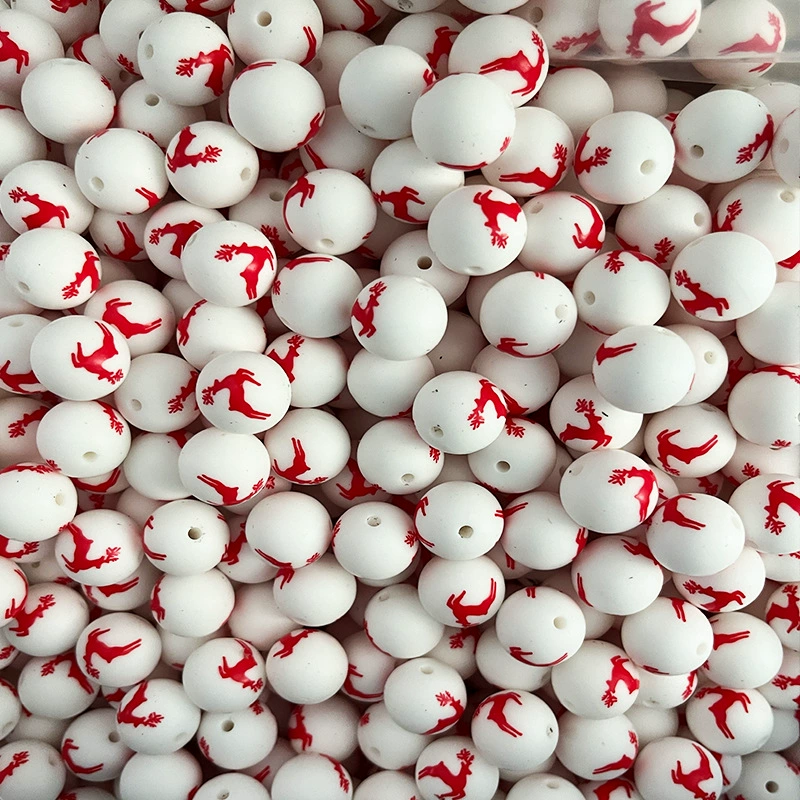
The luster effect of pearlescent silicone beads
The Luminous Appeal of Pearl-Effect Silicone Beads
Pearl-effect silicone beads are celebrated for their ability to mimic the iridescent sheen of natural pearls, adding a touch of elegance to jewelry, decorative items, and functional components. This unique光泽 (gloss) is achieved through a combination of material science and surface engineering, creating beads that catch and reflect light in a way that flat or matte finishes cannot. Below, we explore the science behind their shimmering appearance and how it influences their applications.
The Science of Light Interaction
Microscopic Pigment Distribution
Pearl-effect silicone beads derive their luster from tiny, light-scattering pigments embedded within the silicone matrix. These pigments, often mica flakes or titanium dioxide particles, are uniformly distributed during manufacturing. When light hits the bead, it interacts with these pigments, reflecting and refracting in multiple directions. This creates the characteristic soft glow that shifts with viewing angle, similar to how a pearl’s surface changes under different lighting conditions.
Layered Structure for Enhanced Reflection
Some pearl-effect beads feature a multi-layered composition, where alternating layers of transparent and opaque materials amplify light reflection. The top layer, typically a thin silicone coating, acts as a protective barrier while allowing light to penetrate. Beneath it, a layer of pearlescent pigments captures and disperses light, producing a deeper, more complex sheen. This layered approach is particularly effective in creating beads with a metallic or rainbow-like iridescence.
Angle-Dependent Color Shift
Unlike flat-colored beads, pearl-effect silicone beads exhibit a phenomenon called goniochromism, where their color appears to change based on the angle of observation. For example, a bead might look silver head-on but shift to blue or pink when viewed from the side. This dynamic effect is caused by the varying paths light takes as it interacts with the embedded pigments, making each bead visually engaging from every perspective.
Practical Benefits of Pearl-Effect Finishes
Enhanced Visual Appeal in Low-Light Settings
The soft, diffused glow of pearl-effect beads makes them stand out even in dim environments. This property is particularly valuable in applications like nighttime jewelry or decorative lighting, where traditional glossy finishes might appear dull. A pearl-effect bead used in a pendant, for instance, will subtly catch ambient light, drawing attention without overwhelming the wearer.
Reduced Fingerprint Visibility
While pearl-effect beads are more reflective than matte finishes, their micro-textured surface helps minimize the appearance of fingerprints and smudges. The scattered light reflection makes oils and dirt less noticeable compared to smooth, glossy surfaces. This makes pearl-effect beads a practical choice for frequently handled items like keychains or phone cases, where maintaining a clean appearance is important.
Compatibility with Transparent and Opaque Colors
Pearl-effect finishes can be applied to both transparent and opaque silicone beads, offering design flexibility. Transparent beads with pearlescent pigments create a delicate, ethereal look, while opaque beads produce a bolder, more saturated sheen. For example, a translucent pearl-effect bead might be used in a layered necklace to add depth, whereas an opaque version could serve as a statement piece in a bracelet.
Design and Application Versatility
Customizable Intensity Levels
The intensity of a pearl-effect bead’s sheen can be adjusted by varying the concentration and size of the embedded pigments. Higher pigment concentrations result in a more pronounced, metallic glow, while lower concentrations produce a subtle, satin-like finish. This customization allows designers to tailor beads to specific aesthetics, from understated elegance to bold, eye-catching accents.
Blending with Other Textures
Pearl-effect beads pair beautifully with other surface finishes, such as matte or glossy elements, to create contrasting textures. For instance, a pearl-effect bead combined with a matte silicone spacer in a bracelet adds visual interest without overwhelming the design. This versatility makes them a favorite among jewelry makers seeking to balance sophistication with playfulness.
Adaptability to Thematic Designs
The iridescent quality of pearl-effect beads makes them ideal for thematic applications, such as ocean-inspired jewelry or fantasy-themed accessories. Their ability to mimic the shimmer of water or the scales of a mythical creature adds authenticity to these designs. A pearl-effect bead shaped like a seashell, for example, enhances the nautical theme of a necklace while providing a tactile, three-dimensional element.
By harnessing the principles of light reflection and material engineering, pearl-effect silicone beads offer a captivating alternative to traditional finishes. Their ability to transform light into a dynamic, angle-dependent display ensures they remain a sought-after choice for designers and consumers alike, bridging the gap between functionality and artistry.







Leave a reply