


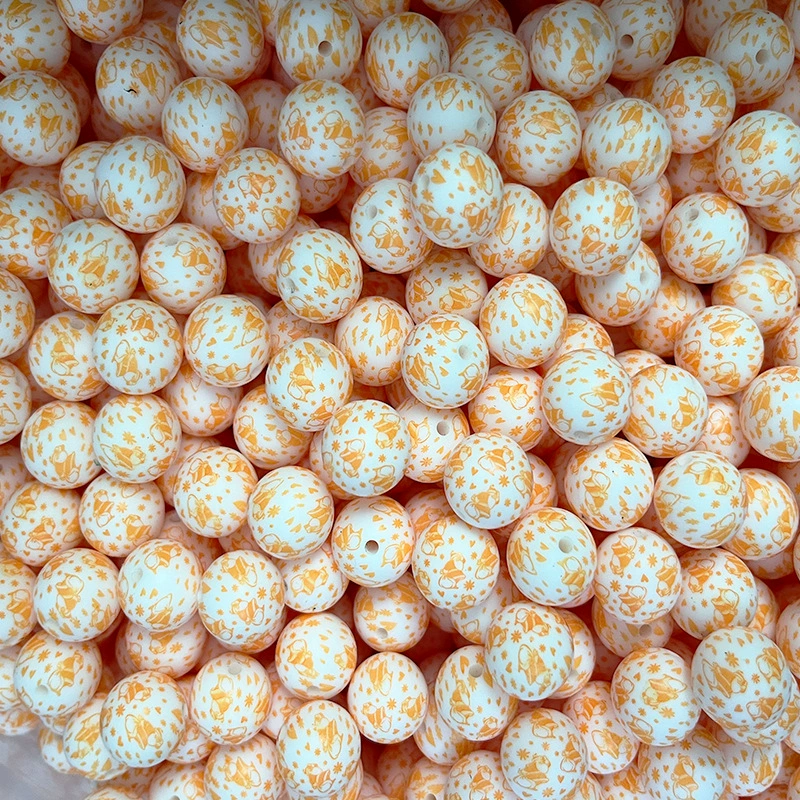
The safety of colored silicone bead pigments
The Safety of Pigments in Colored Silicone Beads: What You Need to Know
When it comes to selecting colored silicone beads for crafts, jewelry, or children’s toys, safety is a top priority. The pigments used to achieve vibrant hues can vary widely in their chemical composition, and understanding these differences is crucial for ensuring the final product is non-toxic and durable. Below, we explore the key factors influencing pigment safety in silicone beads, from material types to long-term stability.
Types of Pigments Used in Silicone Beads
Silicone beads derive their colors from two primary pigment categories: inorganic and organic compounds. Each has distinct properties that affect safety and performance.
Inorganic Pigments: A Safer Choice
Inorganic pigments, such as iron oxides (red, yellow, brown), titanium dioxide (white), and ultramarine blue, are derived from mineral sources. These pigments are generally considered safer for skin contact and ingestion due to their chemical stability and low toxicity. For example, iron oxide pigments are widely used in medical-grade silicone products, including prosthetics and dental implants, because they resist degradation and do not release harmful substances under normal conditions. Titanium dioxide, another common inorganic pigment, is also FDA-approved for use in food-contact materials and cosmetics, further underscoring its safety profile.
Organic Pigments: Potential Risks
Organic pigments, synthesized from carbon-based compounds, offer a broader spectrum of colors but may pose greater safety concerns. Some organic pigments, such as azo dyes, have been linked to health issues like skin irritation or allergic reactions when used in high concentrations. Additionally, certain organic pigments may degrade over time, releasing byproducts that could be harmful if ingested or absorbed through the skin. For instance, studies have shown that yellow organic pigments can accelerate color fading in silicone when exposed to UV light, potentially compromising both aesthetics and safety.
Factors Influencing Pigment Safety in Silicone Beads
Beyond pigment type, several other factors determine the overall safety of colored silicone beads.
Concentration and Migration Risks
The amount of pigment added to silicone directly impacts its safety. Higher pigment concentrations increase the risk of migration, where pigments separate from the silicone matrix and transfer to skin or surfaces. This is particularly concerning for children’s toys, as prolonged exposure to migrated pigments could lead to ingestion. Lighter shades, which require less pigment, generally pose lower migration risks compared to deeply saturated colors. Manufacturers can mitigate migration by using pigments with strong adhesion properties or encapsulating them within the silicone structure.
Long-Term Stability and Degradation
Pigment stability over time is another critical safety consideration. Some pigments, especially organic ones, may fade, bleed, or discolor when exposed to heat, light, or chemicals. For example, a study on silicone pigments found that yellow organic pigments caused significant color degradation in mixed opacifiers, while inorganic pigments like titanium dioxide maintained their integrity. Degraded pigments not only affect the appearance of silicone beads but may also release harmful compounds. Choosing pigments with proven long-term stability ensures the beads remain safe and visually appealing throughout their lifespan.
Regulatory Compliance and Certifications
Adherence to safety regulations is non-negotiable when evaluating pigment safety. Reputable manufacturers follow strict guidelines, such as the U.S. Food and Drug Administration (FDA) standards for food-contact materials or the European Union’s REACH regulation, which restricts the use of hazardous substances in consumer products. Certifications like ISO 9001 (quality management) or AS/NZS ISO 8124:3 (toy safety) provide additional assurance that silicone beads meet international safety benchmarks. Always verify that the beads you purchase comply with relevant regulations and have undergone independent testing.
How to Identify Safe Colored Silicone Beads
Consumers can take practical steps to ensure the silicone beads they buy are safe for their intended use.
Visual and Textural Clues
High-quality, safe silicone beads typically have uniform colors without visible blotches or inconsistencies. Overly bright or dull hues may indicate excessive pigment use or inferior raw materials. Texture is equally important: safe beads should feel soft, smooth, and slightly flexible, with no sticky or greasy residue. A pungent chemical odor is a red flag, as natural silicone is nearly odorless.
Usage and Intended Audience
Consider the beads’ purpose when assessing safety. Beads for babies or toddlers require stricter safety standards than those for adult jewelry. If the beads will be chewed or sucked, opt for medical-grade silicone with inorganic pigments to minimize ingestion risks. For printed or decorated beads, check whether the inks or dyes used are non-toxic and resistant to wear, as flaking designs could pose a choking hazard.
Manufacturer Transparency
Choose manufacturers that provide detailed information about their materials and processes. Look for transparency regarding pigment types, concentration levels, and compliance with safety regulations. Reputable companies often share safety data sheets (SDS) or third-party test reports, which can help you make informed decisions. If a manufacturer is vague about their materials or certifications, proceed with caution.
Conclusion
The safety of colored silicone beads hinges on the pigments used, their concentration, stability, and regulatory compliance. Inorganic pigments like iron oxides and titanium dioxide are generally safer than organic alternatives, especially for products intended for children or frequent skin contact. By prioritizing long-term stability, low migration risks, and adherence to safety standards, manufacturers can create vibrant, durable, and non-toxic silicone beads. As a consumer, staying informed about pigment types and verifying certifications empowers you to choose products that prioritize health and safety without compromising on creativity or quality.


Leave a reply