


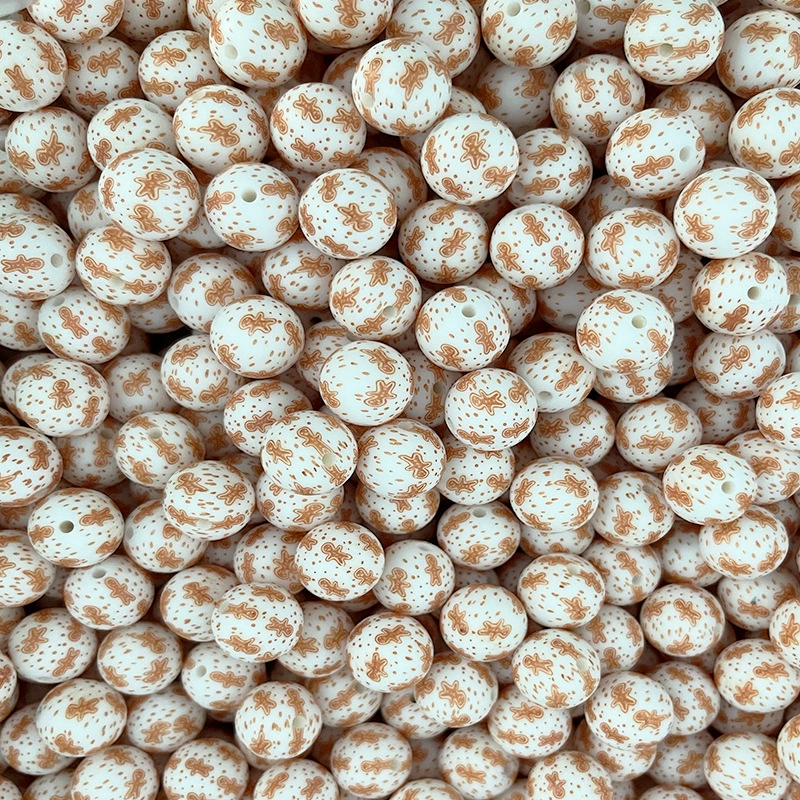
Large-aperture silicone beads are convenient for threading
Threading Large-Pore Silica Beads with Ease: Techniques and Considerations
Silica beads with large pore structures are increasingly popular in applications ranging from chromatography to crafting, thanks to their ability to accommodate bulkier molecules or materials. However, threading these beads—especially those designed for specialized uses—requires specific techniques to ensure durability and functionality. Below, we explore how to streamline the threading process while maintaining the integrity of large-pore silica beads.
Understanding Large-Pore Silica Beads
Large-pore silica beads are engineered with pore diameters exceeding conventional sizes, often ranging from 10 nm to several micrometers. These pores allow for the separation or encapsulation of larger analytes, such as proteins, oligonucleotides, or even genetic material in biomedical applications. In crafting, their porous nature can enhance texture or enable the absorption of dyes or fragrances.
The structural design of these beads influences threading ease. Beads with uniform pore distributions and smooth surfaces reduce friction during threading, while irregularities or constrictions may require additional tools or adjustments. For instance, beads synthesized with tailored heat treatments to eliminate pore constrictions often thread more smoothly than untreated variants.
Choosing the Right Threading Tools
Threading large-pore silica beads demands tools that match both the bead size and the thread thickness. Here are key considerations:
Needles and Thread Compatibility
For beads with smaller holes relative to their overall size, flexible beading needles are ideal. These needles bend slightly to navigate tight spaces without damaging the bead. However, if the thread is thick, opt for needles with larger eyes to accommodate doubled-over thread. Alternatively, use monofilament threads like Fireline or Beadalon, which are stiff enough to thread without folding, eliminating the need for a needle.
Thread Material and Strength
The thread material should balance flexibility and durability. Nylon or polyester threads are common choices for their resistance to stretching and breaking. For beads that will bear weight—such as in jewelry or decorative items—consider braided threads, which offer superior strength. If the beads will interact with moisture, choose threads labeled as water-resistant or coated to prevent degradation.
Bead Stoppers and Backings
When threading multiple beads, use a bead stopper or a piece of tape to prevent them from sliding off the thread prematurely. For added stability, place a small backing bead (such as a seed bead) at the end of the thread before adding larger silica beads. This technique is particularly useful when working with beads that have uneven holes or when threading vertically.
Step-by-Step Threading Guide
Follow these steps to thread large-pore silica beads efficiently:
Preparing the Thread
Cut a thread length appropriate for your project—typically 12–18 inches for jewelry. If using a needle, thread it by folding the thread in half and pulling it through the eye until both ends are even. For needle-free threading, stiffen the thread end by rolling it between your fingers or dipping it in a small amount of beeswax or thread conditioner.
Threading the First Bead
Locate the hole in the silica bead. If the hole is small, gently twist the thread as you push it through to reduce friction. For beads with larger holes, align the thread straight and apply even pressure. If resistance occurs, avoid forcing the thread; instead, reposition the bead or adjust the thread angle.
Adding Subsequent Beads
After threading the first bead, slide it down to the desired position. If using a bead stopper, adjust it to hold the bead in place. Continue adding beads one by one, ensuring each slides smoothly. For patterns requiring precise spacing, use a ruler or bead spacing tool to maintain consistency.
Securing the Ends
Once all beads are threaded, tie a secure knot at the end. For added security, apply a small dab of clear glue or nail polish to the knot. If the project involves heavy beads or frequent movement, reinforce the knot by threading the tail back through a few beads before trimming excess thread.
Applications and Creative Possibilities
Large-pore silica beads lend themselves to diverse projects beyond traditional chromatography. In jewelry making, their porous surfaces can absorb essential oils, creating aromatherapy bracelets or necklaces. For home decor, thread these beads onto cords to make unique curtain tiebacks or plant hangers. In educational settings, use them to demonstrate molecular separation principles in a visually engaging way.
The key to successful threading lies in understanding the beads’ structure, selecting compatible tools, and following a systematic approach. By mastering these techniques, you can unlock the full potential of large-pore silica beads in both functional and artistic applications.

Leave a reply