


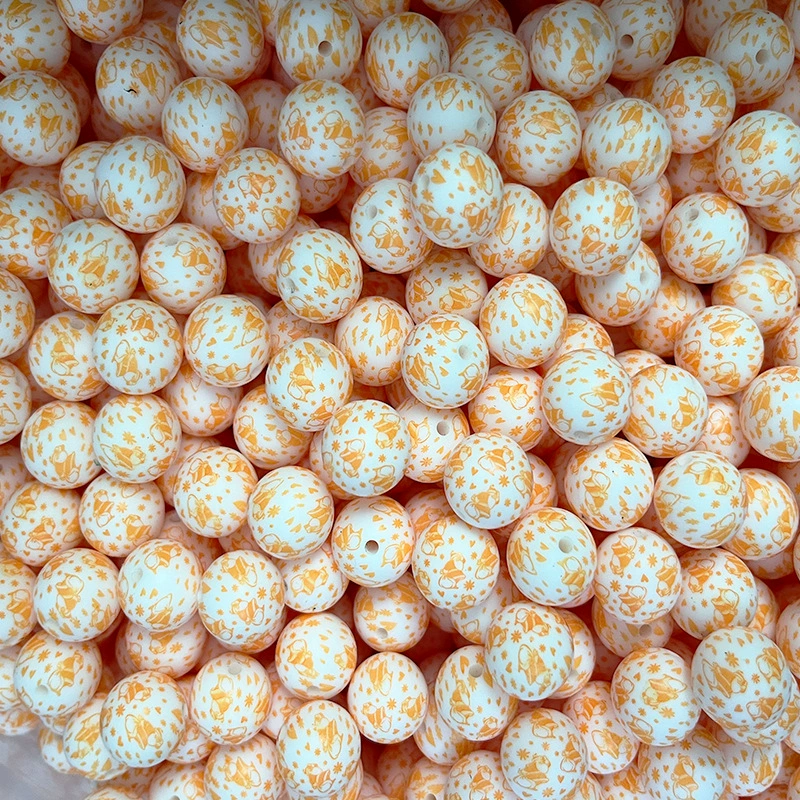
Key points for choosing DIY silicone beads
Essential Tips for Choosing Silicone Beads for DIY Projects
Silicone beads are a versatile material for crafting, jewelry-making, and home decor, but selecting the right ones requires attention to detail. Whether you’re a beginner or an experienced DIY enthusiast, understanding key factors like material quality, size, and shape will ensure your projects turn out durable and visually appealing. Here’s what to consider before making a purchase.
Material Quality and Safety Standards
The first step in choosing silicone beads is verifying their material composition. Opt for beads made from 100% food-grade silicone, especially if your project involves items like teething toys, pacifier clips, or kitchen accessories. This ensures the beads are non-toxic, BPA-free, and safe for prolonged contact with skin or food. Check for certifications or labels indicating compliance with safety standards, such as FDA approval or EN71 compliance for children’s products. Avoid beads with strong chemical odors, as they may contain additives or low-quality materials that could degrade over time.
Durability and Resistance to Wear
Silicone beads should withstand regular handling, stretching, and exposure to moisture without losing their shape or color. Test the flexibility by gently bending a bead—it should return to its original form without cracking or tearing. High-quality silicone resists fading from sunlight and staining from oils or dyes, making it ideal for outdoor decor or items like keychains and bracelets. If possible, choose beads with a matte or smooth finish, as these are less likely to attract dust or show fingerprints compared to glossy options.
Size and Shape Versatility
The size and shape of silicone beads significantly impact the final look of your project. Smaller beads (4mm–10mm) work well for delicate jewelry or intricate designs, while larger beads (12mm–30mm) create bold statements in wall hangings or bag charms. Consider the hole size as well—a larger hole accommodates thicker cords or threads, while smaller holes suit fine chains or elastic. Experiment with shapes like round, oval, hexagonal, or geometric designs to add texture and visual interest. Mixing shapes within a single project can elevate its aesthetic, but ensure they complement each other in scale and style.
Color Fastness and Aesthetic Appeal
Silicone beads come in a vast array of colors, from vibrant hues to muted neutrals. When selecting shades, think about how they’ll interact with light and other materials in your project. Solid colors offer a clean, modern look, while marbled or translucent beads add depth and dimension. To avoid color transfer, choose beads labeled as “colorfast” or “fade-resistant,” especially if your project will be exposed to sunlight or frequent washing. If you plan to combine multiple colors, test a few beads together to ensure they don’t bleed or clash unexpectedly.
Compatibility with Project Requirements
Not all silicone beads are suitable for every DIY endeavor. For example, if you’re making a baby teether, prioritize beads with a smooth surface to prevent irritation. For outdoor decor, select UV-resistant beads that won’t degrade in harsh weather. If your project involves heat (like candle holders or coasters), ensure the beads can withstand high temperatures without melting or warping. Always align your bead choice with the functional and aesthetic demands of your design to avoid compromises later.
By focusing on material quality, durability, size, color, and project-specific needs, you’ll narrow down your options to silicone beads that enhance both the functionality and beauty of your DIY creations. Take time to compare options and, if possible, order samples to test their suitability before committing to a larger quantity.



Leave a reply