


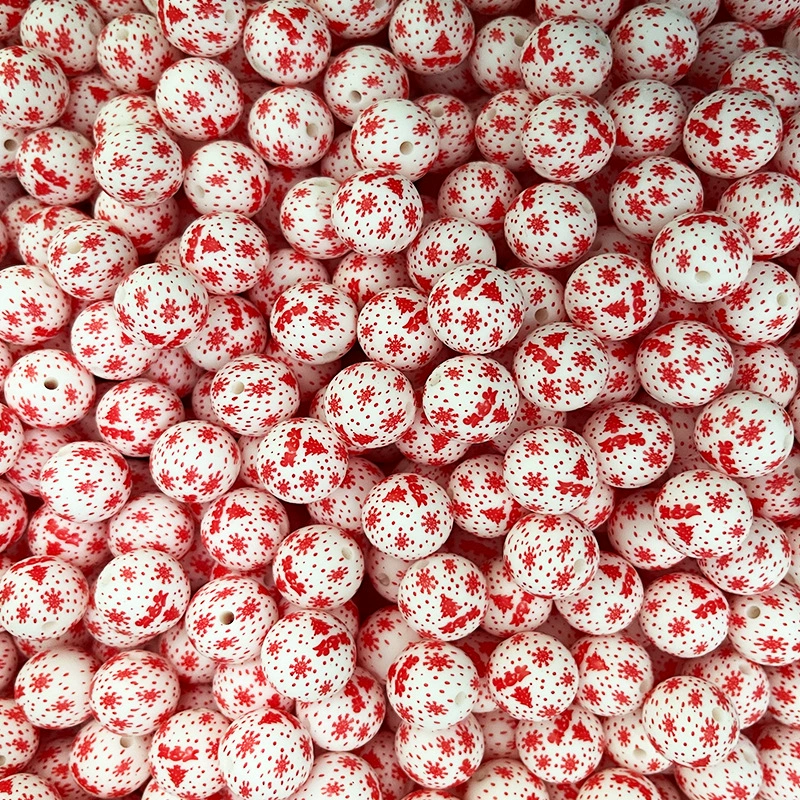
Identification skills for inferior silicone beads
How to Spot Low-Quality Silicone Beads: Practical Identification Tips
Silicone beads are popular for crafts, jewelry, and functional items, but not all are created equal. Low-quality beads can compromise safety, durability, and aesthetics. Here’s how to identify inferior options before they ruin your project.
Visual and Textural Red Flags
Start by closely inspecting the beads’ appearance and feel. Low-quality silicone beads often have a dull, uneven surface with visible imperfections like bubbles, cracks, or rough edges. They may appear cloudy or discolored, even when new, indicating poor material purity. In contrast, high-quality beads have a smooth, consistent finish and vibrant, uniform color. When touched, inferior beads feel stiff, brittle, or overly sticky, while quality silicone remains soft and flexible without leaving residue on your fingers.
Odor and Chemical Sensitivity Tests
A strong, chemical-like smell is a major warning sign. Low-quality silicone beads frequently emit an unpleasant odor, especially when warmed or pressed, due to additives or impurities. To test this, gently rub a bead between your palms or hold it close to your nose. If the smell lingers or intensifies, avoid using it for projects involving skin contact or food. Additionally, expose a bead to mild household chemicals like dish soap or vinegar for a few minutes. Inferior beads may react by swelling, fading, or developing a slimy texture, while quality silicone remains unaffected.
Flexibility and Resilience Evaluation
Silicone’s defining trait is its flexibility, but low-quality beads often fail this test. Gently stretch a bead to about twice its original size. If it tears, cracks, or leaves white stress marks, it’s likely made from cheap material. High-quality silicone beads will return to their shape without damage, even after repeated bending. Another test involves pressing your fingernail into the bead’s surface. A high-quality bead will resist indentation, while a low-quality one may show permanent marks or feel overly soft, indicating poor density.
Temperature and Environmental Endurance
Low-quality silicone beads struggle with extreme temperatures. To check, freeze a bead for several hours, then immediately place it in hot water (not boiling). Inferior beads may become brittle, crack, or lose their shape in the cold, then warp or melt in heat. Quality silicone beads withstand these changes without issue, maintaining their structure and texture. Similarly, leave a bead in direct sunlight for a day. Fading, yellowing, or brittleness are signs of UV sensitivity, a hallmark of poor-quality material.
Color Consistency and Fading Risks
Color is another giveaway. Low-quality beads often use cheap dyes that fade or bleed easily. Rub two beads together vigorously or wipe them with a damp cloth. If color transfers to the cloth or your hands, the beads are likely prone to fading. High-quality silicone beads use stable, non-toxic dyes that resist rubbing, sweat, and moisture. For projects exposed to light, choose beads with deep, even coloration—pale or streaky hues often indicate inferior dye quality.
By applying these checks, you can avoid low-quality silicone beads and ensure your projects are safe, durable, and visually appealing. Always prioritize material integrity over price or appearance alone to avoid costly mistakes.

Leave a reply