


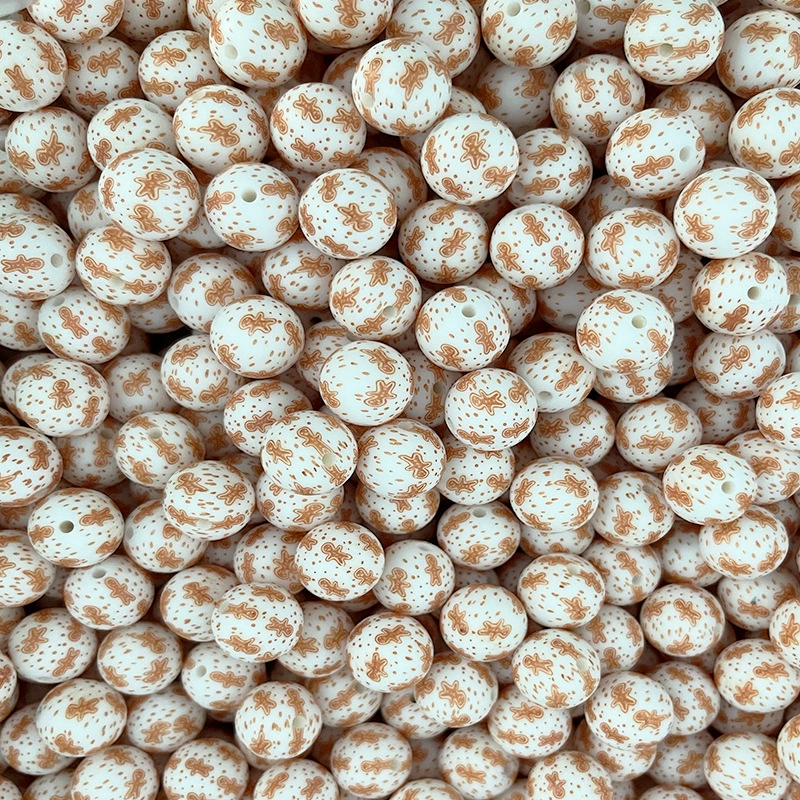
The quality of silicone beads can be identified by their smell
How to Assess Silicone Bead Quality Through Odor Analysis
Silicone beads are widely used in crafts, jewelry, and functional items, but their quality varies significantly. One of the simplest yet most effective ways to evaluate quality is by analyzing their odor. Unpleasant or chemical-like smells often indicate low-grade materials or improper manufacturing processes. Here’s how to use your sense of smell to identify high-quality silicone beads.
Understanding the Link Between Odor and Material Purity
High-quality silicone beads are made from food-grade or medical-grade silicone, which undergoes rigorous purification to remove impurities. These beads typically have little to no detectable odor, even when warmed or pressed. In contrast, low-quality beads often contain fillers, plasticizers, or residual chemicals from production, resulting in strong, artificial smells. A pungent odor is a red flag, as it suggests the beads may leach harmful substances or degrade quickly over time.
Performing a Basic Sniff Test
Start by holding a single bead close to your nose without squeezing it. A faint, neutral scent is normal for quality silicone, but any sharp or chemical-like smell indicates potential issues. Next, gently rub the bead between your fingers for 5–10 seconds to warm it slightly, then sniff again. Heat can intensify odors, making it easier to detect hidden chemicals. If the smell becomes more pronounced or unpleasant, the beads likely contain low-grade additives.
Testing Odor Retention After Exposure to Heat
To further assess quality, expose the beads to mild heat and check for odor changes. Place a bead on a clean, dry surface and hold a hairdryer on a low setting about 6 inches away for 10–15 seconds. Alternatively, submerge the bead in hot water (not boiling) for 30 seconds, then pat it dry and sniff. High-quality silicone beads will remain odorless or retain only a faint, neutral scent. Beads that emit a strong, lingering odor after heating are likely made from inferior materials that could pose health risks.
Evaluating Long-Term Odor Stability
Quality silicone beads maintain their odor profile over time, even with frequent handling or exposure to environmental factors. To test this, store a bead in a sealed container with a piece of fabric or paper for 24–48 hours. Afterward, check the fabric for any transferred smell. High-grade beads won’t leave residue or odors, while low-quality ones may stain or emit a persistent chemical scent. This step is crucial for projects involving skin contact, as prolonged exposure to strong odors can cause irritation or allergic reactions.
Common Odor Profiles of Low-Quality Silicone Beads
Low-quality silicone beads often exhibit distinct, unpleasant smells that help identify their flaws. A vinegar-like or acidic odor suggests the presence of residual curing agents, which can weaken the material over time. A gasoline or solvent-like smell indicates the use of cheap plasticizers or solvents, which may evaporate and leave the beads brittle. A sweet, synthetic fragrance could mean the beads were treated with masking agents to hide underlying chemical odors, a tactic often used to disguise poor quality.
Why Odor Matters in Silicone Bead Selection
Odor is more than just a sensory issue—it’s a direct indicator of material safety and durability. Beads with strong odors are more likely to contain volatile organic compounds (VOCs) or other harmful chemicals that can leach into the skin or environment. Over time, these substances may cause discoloration, cracking, or a breakdown of the silicone’s structural integrity. By prioritizing odorless or neutrally scented beads, you ensure your projects are both safe and long-lasting.
By using these odor-based tests, you can confidently distinguish high-quality silicone beads from inferior alternatives. Always trust your sense of smell as a reliable tool for evaluating material purity and safety.


Leave a reply