
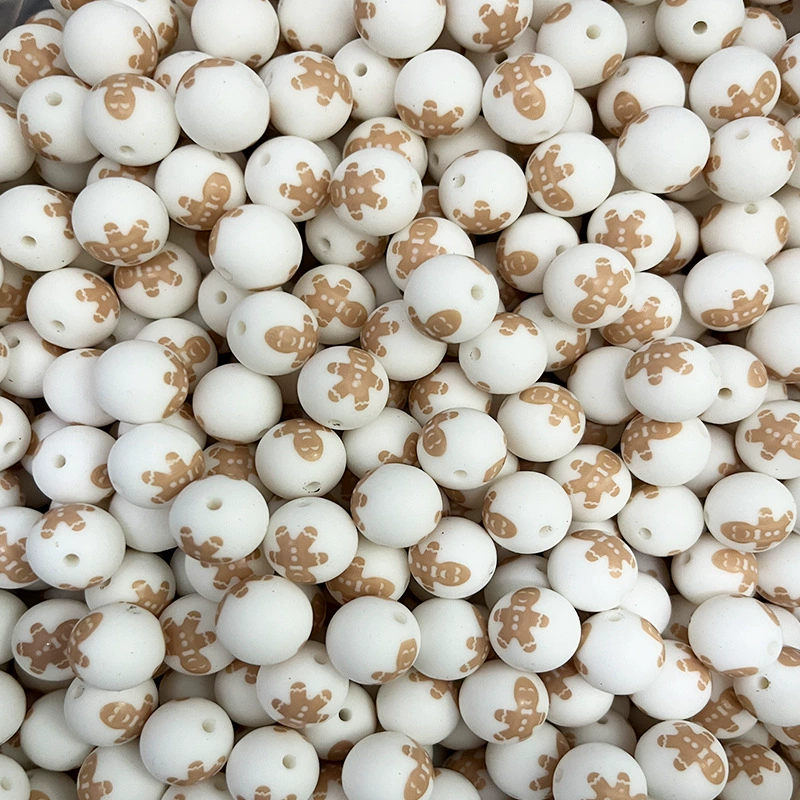
Test method for color fading of silicone beads
How to Test Colorfastness in Silicone Beads for Craft and DIY Projects
Silicone beads are popular for their vibrant colors and versatility, but poor-quality beads may fade, bleed, or transfer dye onto surfaces. Testing colorfastness ensures your projects remain visually appealing and durable. Here’s a practical guide to evaluating whether silicone beads hold their color under stress.
Basic Rub Test for Surface Dye Stability
Start with a simple rub test to check if dye transfers onto other materials. Select a bead and rub it firmly against a clean, white cotton cloth or paper towel for 10–15 seconds. Apply moderate pressure, as if polishing the bead. If the cloth picks up noticeable color, the beads are likely prone to bleeding or fading. This is especially important for items like bracelets or keychains, where beads frequently contact skin or fabric. High-quality silicone beads should leave no residue, indicating stable, embedded dyes.
Water Exposure Test for Moisture Resistance
Moisture can accelerate color transfer, so testing beads in water is crucial. Fill a bowl with room-temperature water and submerge a bead for 30 minutes. Afterward, remove the bead and gently pat it dry with a paper towel. Then, rub the bead against a white cloth as before. If the cloth shows dye stains, the beads may not be water-resistant. For a more rigorous test, repeat the process with hot water, as heat can loosen dyes in low-quality beads. Beads that retain their color in both tests are better suited for projects exposed to humidity or occasional splashes.
Sweat Simulation Test for Skin Contact Safety
Projects like jewelry or accessories often come into contact with skin, where sweat can affect colorfastness. To mimic this, mix a small amount of salt (about 1 teaspoon) into ½ cup of warm water to create a saline solution. Dip a bead into the mixture for 10 minutes, then let it air-dry completely. Once dry, rub the bead against a white cloth. If color transfers, the beads may irritate skin or stain clothing during prolonged wear. High-quality silicone beads use non-toxic, permanent dyes that resist sweat and friction, making them safer for everyday use.
UV Light Test for Fade Resistance
Prolonged exposure to sunlight can cause colors to fade, especially in outdoor projects. To test UV resistance, place a bead on a windowsill or outdoors in direct sunlight for 24–48 hours. Compare its color to an unused bead from the same batch. If the tested bead appears lighter, paler, or yellowed, the dyes are not UV-stable. This is critical for items like outdoor decorations or pet accessories, which endure constant sunlight. Beads that maintain their vibrancy under UV exposure are more durable and visually consistent over time.
Abrasion Test for Long-Term Wear
Frequent handling or friction can wear down dye layers in low-quality beads. To simulate this, wrap a bead in a coarse cloth (like burlap or denim) and rub it vigorously for 1–2 minutes. Check the cloth for dye stains and inspect the bead for scratches or exposed base material. High-quality silicone beads have dyes that penetrate deeply into the material, resisting abrasion without chipping or fading. This test is especially relevant for high-traffic items like fidget toys or stress balls.
Why Colorfastness Matters in Silicone Beads
Colorfastness isn’t just about aesthetics—it’s about safety and longevity. Beads that bleed dye can stain skin, clothing, or surfaces, creating messes and health concerns. Fading colors make projects look worn or unprofessional, reducing their appeal. By prioritizing beads that pass these tests, you ensure your creations remain vibrant and functional, even after repeated use or exposure to environmental factors.
By incorporating these tests into your quality-checking routine, you can confidently select silicone beads that withstand real-world conditions. Always prioritize color stability to create projects that look great and last long.

Leave a reply