


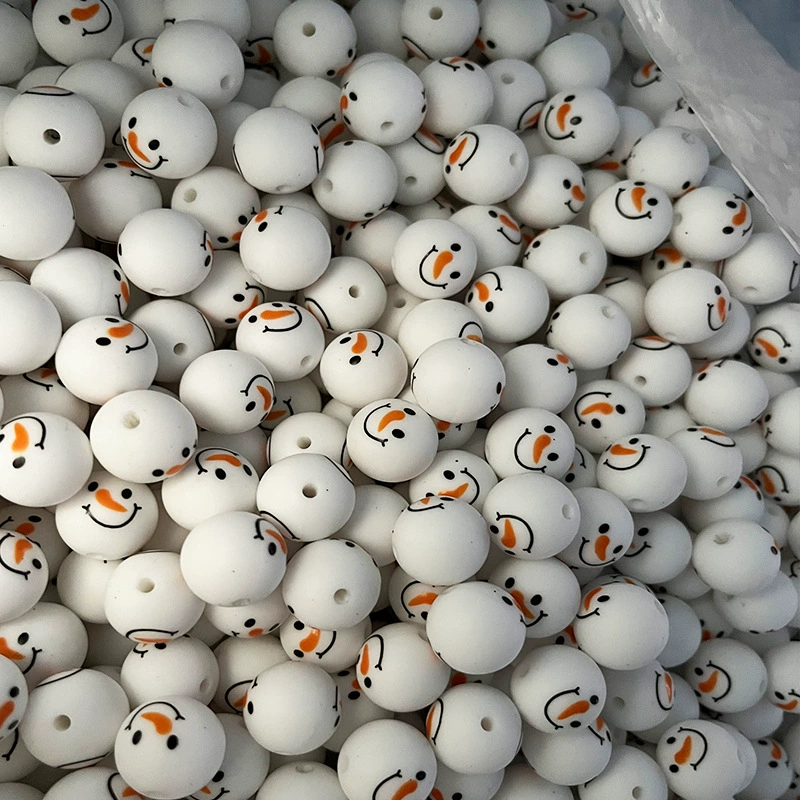
Guide to Choosing the Color of Silicone Beads
A Comprehensive Guide to Choosing Silicone Bead Colors
Silicone beads are widely used in crafting, jewelry making, children’s toys, and decorative items due to their flexibility, durability, and vibrant color options. However, selecting the right color involves more than just aesthetic preference—it requires understanding material safety, practicality, and environmental factors. This guide explores key considerations to help you make informed decisions.
Understanding Color Safety and Material Quality
The safety of silicone beads is not inherently tied to their color but to the pigments used during manufacturing. Pigments fall into two categories: natural and synthetic. Natural pigments, derived from plant or mineral sources, are generally non-toxic and eco-friendly. Synthetic pigments, while offering a broader color range, may contain additives or heavy metals if not properly regulated.
To ensure safety:
- Check for certifications: Look for products meeting international standards like FDA (for food-grade items) or EN71 (for children’s toys). These certifications indicate compliance with strict safety protocols.
- Avoid overly bright or dull hues: Extremely vivid colors might signal excessive pigment use, while dull tones could indicate low-quality materials. Opt for beads with natural, even coloring.
- Smell test: High-quality silicone beads should be odorless. A chemical scent suggests the presence of harmful solvents or additives.
Practical Considerations for Color Selection
The intended use of silicone beads significantly influences color choice. Here’s how to align your selection with practical needs:
1. High-Traffic or High-Hygiene Areas
For items like kitchen utensils, baby teething toys, or medical accessories, prioritize light-colored beads such as white, cream, or pastel shades. These colors:
- Resist staining from oils, dyes, or food residues.
- Allow easy detection of dirt or wear, ensuring cleanliness.
- Maintain a fresh appearance over time, even with frequent cleaning.
2. Low-Maintenance or Decorative Applications
In scenarios where beads are less likely to encounter stains—such as wall hangings, keychains, or adult jewelry—dark or bold colors like navy, emerald, or charcoal offer advantages:
- Hide minor dirt or scuffs, reducing the need for frequent cleaning.
- Create striking visual contrasts when paired with lighter materials.
- Suit modern or industrial design themes.
3. Color-Changing or Functional Beads
Some silicone beads incorporate advanced technologies for specific purposes:
- Moisture-sensitive beads: These transition from blue to pink when exposed to humidity, making them ideal for humidity indicators or educational tools.
- Thermochromic beads: Change color with temperature fluctuations, adding interactivity to crafts or toys.
- UV-reactive beads: Glow under ultraviolet light, enhancing visibility in low-light environments or creating playful accessories.
Trend-Driven and Personalized Choices
Beyond safety and practicality, color selection can reflect personal style or align with current trends. Here’s how to navigate this aspect:
1. Earthy and Neutral Tones
Shades like terracotta, sage, or slate gray are timeless and versatile. They:
- Complement natural materials like wood or linen.
- Suit minimalist or bohemian aesthetics.
- Appeal to eco-conscious consumers seeking sustainable options.
2. Metallic and Iridescent Finishes
Beads with metallic or pearlescent coatings add a touch of luxury to projects. Consider:
- Rose gold or champagne: For elegant jewelry or wedding decor.
- Iridescent white or black: To create a futuristic or magical effect in costumes or art installations.
3. Custom Color Matching
Many manufacturers offer custom color services, allowing you to match beads to specific Pantone codes or brand palettes. This is useful for:
- Corporate branding projects.
- Themed events or parties.
- Personalized gifts or keepsakes.
Final Tips for a Flawless Selection
- Test samples: If possible, request small swatches to evaluate color accuracy and material feel before committing to a bulk order.
- Consider lighting: Natural and artificial light can alter color perception. Review beads under the lighting conditions where they’ll be used.
- Layer colors: Combine complementary hues (e.g., navy and coral) or monochromatic shades (e.g., light gray and charcoal) for depth and visual interest.
By balancing safety, practicality, and personal style, you can choose silicone bead colors that enhance both functionality and aesthetics in any project.


Leave a reply