


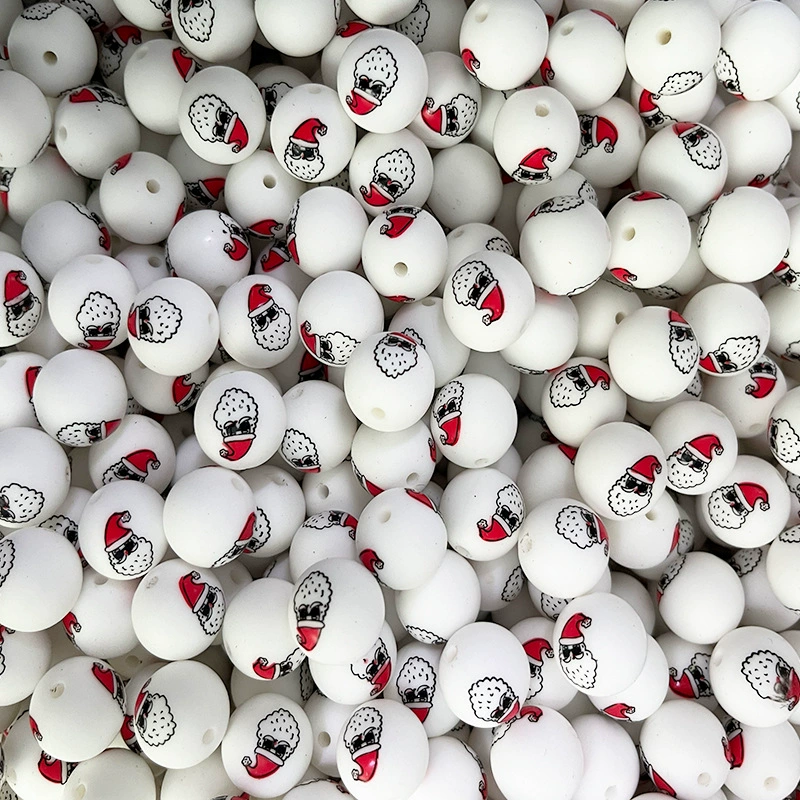
Judgment of environmental protection standards for silicone beads
How to Determine Environmental Standards for Silicone Beads
Silicone beads are widely used in food packaging, medical devices, children’s toys, and electronics due to their high-activity adsorption properties and chemical stability. However, ensuring compliance with environmental standards is critical to preventing health risks and environmental pollution. This guide outlines key criteria for evaluating the environmental safety of silicone beads.
Chemical Composition and Material Safety
Silicone beads are typically made from silicic acid polymers (mSiO₂·nH₂O) or aluminum silicate compounds (Al₂O₃·4SiO₂·nH₂O). To meet environmental standards, raw materials must avoid harmful substances such as heavy metals (e.g., lead, cadmium), phthalates, and bisphenol A (BPA). For example, food-grade silicone beads must comply with regulations like GB 4806.11-2016 in China, which restricts volatile organic compounds (VOCs) to ≤0.5% and requires migration tests to confirm no toxic substances leach into food.
Key considerations:
- Additives: Ensure any pigments or stabilizers used are food-grade or medical-grade.
- VOCs: High temperatures during processing can release low-molecular-weight siloxanes (e.g., D4, D5), which are classified as substances of very high concern (SVHC) by the EU. New standards like GB 4806.16-2025 mandate VOC limits aligned with German BfR recommendations.
- Thermal stability: Silicone beads should withstand temperatures specified for their application (e.g., -40°C to 200°C for industrial use) without decomposing into harmful byproducts.
Physical Properties and Performance Metrics
Environmental safety isn’t limited to chemical composition—physical durability also plays a role. Poor-quality silicone beads may degrade faster, leading to microplastic pollution or product failure.
Critical indicators:
- Tensile strength and tear resistance: High-quality beads resist breaking under stress, reducing the risk of fragment release. For instance, medical-grade silicone tubes require a tensile strength ≥7.0 MPa to ensure safety during use.
- Compression set: This measures a bead’s ability to return to its original shape after deformation. A low compression set (e.g., ≤5% for premium medical silicone) indicates long-term stability.
- Adsorption efficiency: For desiccant beads, high surface area (e.g., 650–800 m²/g for fine-pore silicone) ensures effective moisture absorption without chemical reactions, minimizing environmental impact.
Certifications and Regulatory Compliance
Global markets enforce distinct environmental standards for silicone beads. Manufacturers must adhere to regional regulations to avoid legal penalties and ensure consumer trust.
Major certifications:
- EU Compliance:
- REACH: Restricts hazardous chemicals and requires full lifecycle management of substances.
- RoHS: Limits lead, mercury, and other toxic metals in electronics-related silicone beads.
- EN 1811:2022: Sets nickel release limits (≤0.5 μg/cm²/week) for silicone products in direct skin contact.
- US Standards:
- FDA 21 CFR 177.2600: Governs silicone materials in food contact applications, banning塑化剂 (plasticizers) migration.
- ASTM D2000: Classifies silicone rubber by heat resistance (e.g., “M” grade for high-temperature stability).
- International ISO Standards:
- ISO 10993-1: Evaluates biocompatibility for medical silicone, ensuring no cytotoxic reactions.
- ISO 18562-4:2023: Tests nanoparticle emissions from silicone respiratory devices to prevent inhalation risks.
Practical Testing Methods for Consumers and Manufacturers
While certifications provide assurance, simple tests can help verify environmental safety:
- Visual and tactile inspection: Authentic silicone beads feel smooth, elastic, and odorless. Rough texture or strong chemical smells may indicate low-quality or non-compliant materials.
- Combustion test: Genuine silicone burns with white smoke and leaves white ash, whereas fake products produce black smoke and residue.
- Thermal aging: Expose beads to extreme temperatures (e.g., 200°C for 4 hours) to check for deformation or VOC release, mimicking standards like GB 4806.16-2025.
Industry Trends and Future-Proofing
As global regulations tighten, manufacturers are adopting stricter internal controls. For example, some companies voluntarily reduce VOC limits below legal thresholds or use recycled silica to minimize environmental footprints. Consumers should prioritize products that disclose full material compositions and testing protocols, as transparency is a hallmark of compliance.
By evaluating chemical safety, physical durability, certifications, and practical testing methods, stakeholders can ensure silicone beads meet environmental standards across industries. This proactive approach protects human health, reduces pollution, and aligns with global sustainability goals.





Leave a reply