


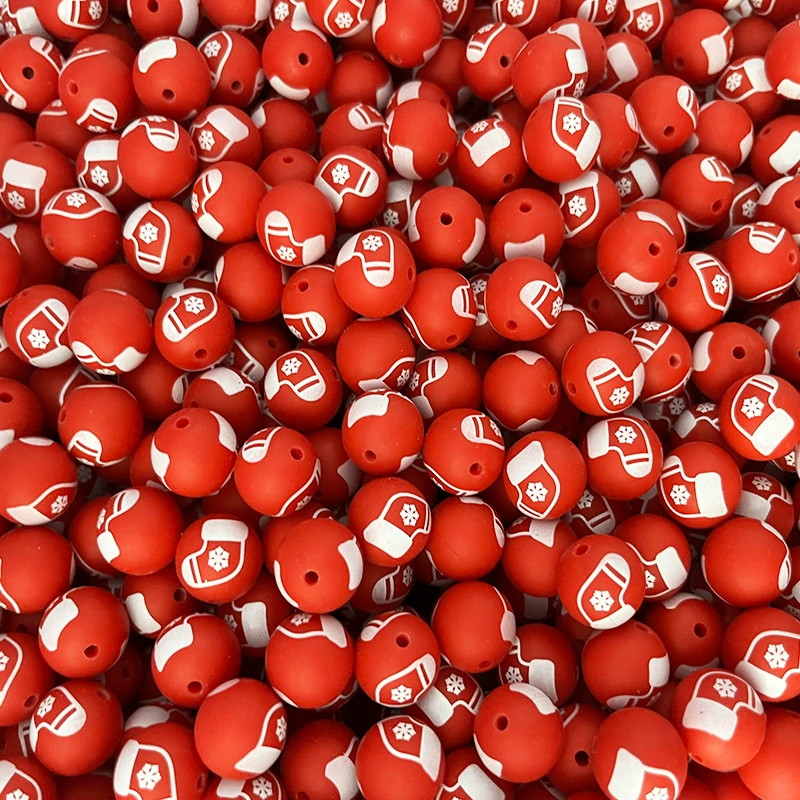
Non-toxicity testing of silicone beads
How to Conduct Non-Toxicity Testing for Silicone Beads
Silicone beads are widely used in food packaging, medical devices, children’s toys, and personal care products due to their flexibility and chemical stability. However, ensuring they are free from toxic substances is critical to protecting human health and the environment. This guide explains how to evaluate the safety of silicone beads through practical testing methods and regulatory compliance checks.
Understanding Key Toxic Substances in Silicone Beads
Silicone beads are typically made from silicone polymers, which are considered inert under normal conditions. However, manufacturing processes may introduce harmful additives or contaminants. Identifying these substances is the first step in non-toxicity testing.
Common toxic compounds to screen for:
- Phthalates: Used as plasticizers, these chemicals can disrupt endocrine systems and are restricted in toys and food-contact materials under regulations like EU REACH.
- Bisphenol A (BPA): Often found in epoxy resins, BPA is linked to reproductive issues and is banned in baby bottles under FDA guidelines.
- Heavy metals: Lead, cadmium, and mercury may be present in pigments or stabilizers, posing risks of neurotoxicity and organ damage.
- Volatile organic compounds (VOCs): Low-molecular-weight siloxanes (e.g., D4, D5) can migrate from beads and accumulate in the environment, classified as SVHCs by the ECHA.
Why testing matters: Even trace amounts of these substances can leach into food, skin, or respiratory systems, especially under high temperatures or prolonged exposure.
Laboratory Testing Methods for Non-Toxicity Verification
Professional laboratories use advanced techniques to detect toxic substances in silicone beads. These methods ensure accuracy and compliance with international standards.
Gas chromatography-mass spectrometry (GC-MS):
- Purpose: Identifies and quantifies VOCs and semi-volatile organic compounds (SVOCs).
- How it works: Samples are heated to vaporize compounds, which are then separated and analyzed for specific chemical signatures.
- Applications: Testing for phthalates, siloxanes, and solvent residues in food-grade or medical-grade beads.
Inductively coupled plasma mass spectrometry (ICP-MS):
- Purpose: Detects heavy metals like lead, arsenic, and chromium at parts-per-billion (ppb) levels.
- How it works: Samples are dissolved in acid, ionized, and analyzed for metal content using plasma technology.
- Applications: Ensuring beads meet limits set by regulations like RoHS or ASTM F963 for children’s products.
Migration testing:
- Purpose: Simulates real-world conditions to check if substances leach from beads into food, water, or saliva.
- How it works: Beads are placed in contact with a solvent (e.g., 3% acetic acid for acidic foods) at elevated temperatures for a set time, then the solvent is analyzed for contaminants.
- Applications: Validating compliance with FDA 21 CFR 177.2600 or EU 10/2011 for food-contact materials.
At-Home and Preliminary Screening Techniques
While laboratory tests are definitive, consumers and small manufacturers can perform basic checks to assess silicone bead safety.
Visual and tactile inspection:
- Check for discoloration: Authentic silicone beads are uniformly colored. Spots or streaks may indicate uneven mixing of additives.
- Smell test: Genuine silicone has little to no odor. A strong chemical smell suggests the presence of solvents or plasticizers.
- Elasticity test: Gently stretch the bead. High-quality silicone returns to its original shape without tearing, while low-grade beads may crack or leave residue.
Combustion test:
- Procedure: Hold a small piece of the bead with tweezers and ignite it with a lighter.
- Observations:
- Safe silicone: Burns with white smoke and leaves white ash, similar to burning paper.
- Unsafe material: Produces black smoke, drips, or leaves sticky residue, indicating plasticizers or fillers.
Thermal stability test:
- Procedure: Place beads in an oven at 200°C (392°F) for 30 minutes.
- Results: Non-toxic beads remain intact and odorless. Poor-quality beads may shrink, warp, or release fumes.
Regulatory Standards and Certifications for Non-Toxic Silicone Beads
Global regulations set strict limits on toxic substances in silicone products. Compliance with these standards is non-negotiable for safety.
EU Regulations:
- REACH (Registration, Evaluation, Authorisation and Restriction of Chemicals): Restricts SVHCs like D4 and D5 siloxanes to ≤0.1% by weight in consumer products.
- EN 71-3:2019: Limits heavy metals in toys to ≤90 mg/kg for lead and ≤25 mg/kg for mercury.
- EU 10/2011: Sets migration limits for food-contact silicone, e.g., ≤0.05 mg/kg for primary aromatic amines.
US Regulations:
- FDA 21 CFR 177.2600: Allows silicone for food contact only if it passes migration tests for substances like cyclohexanone and formaldehyde.
- CPSIA (Consumer Product Safety Improvement Act): Bans phthalates in toys and childcare articles at levels >0.1%.
International Standards:
- ISO 10993-1:2018: Classifies medical devices by biocompatibility, ensuring silicone beads used in implants or catheters are non-cytotoxic.
- ASTM F963-17: Tests toys for mechanical hazards and chemical safety, including flammability and heavy metal content.
Why Non-Toxicity Testing is a Continuous Process
Even certified products should be retested periodically, as manufacturing processes or raw material sources may change. Suppliers may switch to cheaper additives to cut costs, compromising safety. Regular testing ensures ongoing compliance and builds consumer trust.
Best practices:
- Request batch-specific test reports from manufacturers.
- Prioritize suppliers with ISO 9001 (quality management) or ISO 14001 (environmental management) certifications.
- Stay updated on regulatory changes, such as the EU’s proposed restrictions on microplastics in silicone-based products.
By combining laboratory testing, at-home checks, and regulatory awareness, stakeholders can ensure silicone beads meet the highest non-toxicity standards, safeguarding health and the environment.


Leave a reply