


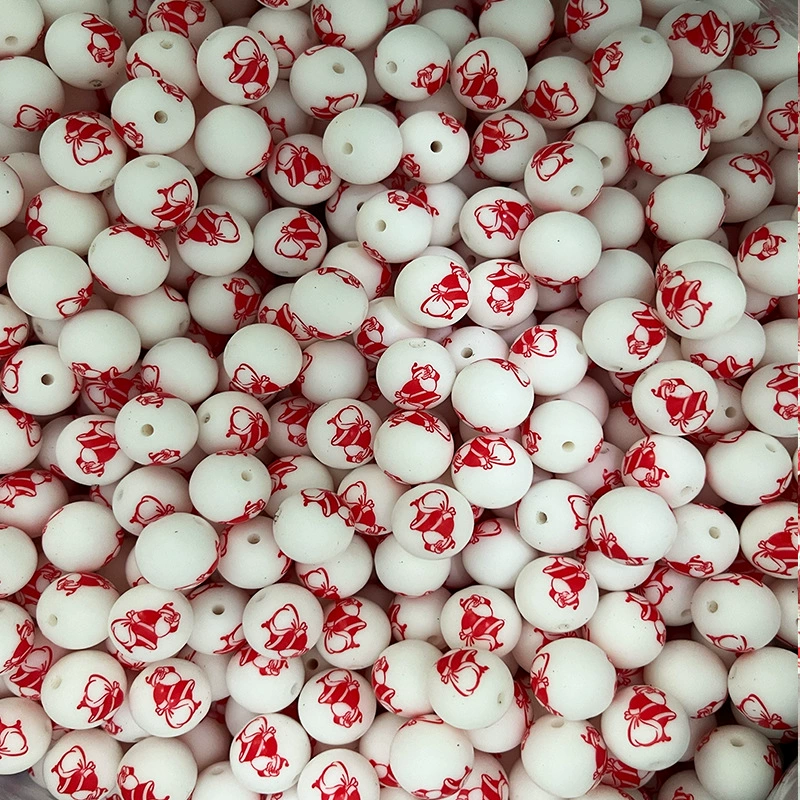
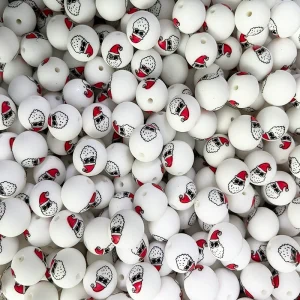
Selection of decorative silicone beads
A Guide to Choosing Decorative Silicone Beads for Creative Projects
Decorative silicone beads are a versatile addition to jewelry, accessories, home décor, and craft projects. Their soft texture, vibrant colors, and flexibility make them ideal for adding a pop of personality to any design. However, selecting the right beads involves more than just picking a color you like. Factors like durability, colorfastness, and design versatility play a crucial role in ensuring your project turns out as intended. Here’s a detailed breakdown of what to consider when choosing decorative silicone beads.
Understanding the Role of Color and Finish in Decorative Beads
The visual appeal of decorative silicone beads hinges on their color and finish. These elements determine how the beads interact with light, how they complement other materials, and how long their vibrancy lasts.
Color options and their impact:
- Solid colors: Classic and timeless, solid-colored beads work well in minimalist designs or as accent pieces in bold projects. They’re easy to match with other materials like metals or fabrics.
- Ombre or gradient beads: These beads feature a smooth transition between two or more colors, adding depth and dimension to jewelry or décor items.
- Multicolored or mixed beads: Beads with speckles, swirls, or marbled patterns create a playful, eclectic look. They’re perfect for projects aiming for a bohemian or whimsical aesthetic.
Finish types and their uses:
- Matte finish: Subtle and understated, matte beads reduce glare and work well in modern, sophisticated designs. They’re less likely to show fingerprints or smudges.
- Glossy finish: High-shine beads reflect light, making them stand out in jewelry or decorative accents. They’re ideal for projects where you want a bold, eye-catching effect.
- Frosted or translucent finish: These beads diffuse light, creating a soft, ethereal look. They’re great for layering or combining with opaque beads for contrast.
Why it matters:
The color and finish of your beads should align with the overall theme of your project. For example, a matte finish might suit a rustic bracelet, while glossy beads could elevate a statement necklace.
Evaluating Durability and Flexibility for Long-Lasting Designs
Decorative silicone beads are often handled frequently, so their durability and flexibility are key. Beads that are too brittle or prone to tearing can ruin a project, while overly stiff beads may lack the playful movement that makes silicone so appealing.
Signs of durable silicone beads:
- Resistance to tearing: Gently stretch or bend the beads to test their flexibility. High-quality beads should return to their original shape without cracking or leaving permanent creases.
- Abrasion resistance: Rub the beads against a rough surface (like sandpaper) to see how well they hold up. Durable beads won’t scratch or peel easily.
- Load-bearing capacity: If your project involves hanging or supporting weight (e.g., a beaded curtain or keychain), ensure the beads can handle the stress without snapping.
Flexibility considerations:
- Softness level: Some beads are designed to be extra soft for comfort (e.g., teething jewelry or baby accessories), while others are firmer for structural integrity. Choose based on your project’s needs.
- Memory effect: High-quality silicone beads should “remember” their shape after being bent or stretched. This ensures they maintain their design over time.
Practical test:
Create a small sample project using the beads you’re considering. Wear or use it for a few days to see how the beads hold up under real-world conditions.
Ensuring Colorfastness and Light Resistance for Vibrant, Fade-Free Designs
Nothing ruins a decorative project faster than beads that fade or bleed color. Whether your creation will be displayed indoors, worn outdoors, or washed frequently, colorfastness is essential.
Factors affecting color durability:
- UV exposure: Beads left in direct sunlight may fade over time. Look for options labeled “UV-resistant” if your project will be outdoors or near windows.
- Water exposure: Submerge beads in water for 24–48 hours to test for color bleeding. This is crucial for items like bath toys, drinkware charms, or outdoor decorations.
- Cleaning agents: Harsh soaps, alcohol-based cleaners, or bleach can strip colors from low-quality beads. Opt for beads that withstand gentle cleaning without losing vibrancy.
How to test colorfastness:
- Rub test: Wet a cloth and rub it vigorously against the bead’s surface. If color transfers, the dye isn’t set properly.
- Sun test: Place beads in a sunny spot for a few days and compare their color to unexposed samples. Fading indicates poor UV resistance.
- Wash test: If the beads will be laundered (e.g., in a bracelet or scarf), run them through a gentle wash cycle to see how they hold up.
Why it’s important:
Faded or bleeding beads can stain other materials, ruin the aesthetic of your project, and even pose health risks if the dye contains harmful chemicals.
Exploring Shape and Size Variety for Creative Versatility
The shape and size of decorative silicone beads open up endless design possibilities. From classic rounds to quirky novelty shapes, the right combination can take your project from ordinary to extraordinary.
Popular bead shapes and their uses:
- Round beads: The most versatile shape, round beads work in almost any project. They’re ideal for stringing, layering, or using as spacers between other elements.
- Oval or teardrop beads: These elongated shapes add elegance to jewelry or flowy decorations like garlands or wind chimes.
- Novelty shapes: Beads shaped like stars, hearts, animals, or geometric figures inject personality into projects. They’re perfect for themed parties, children’s crafts, or playful accessories.
Size considerations:
- Small beads (2–5mm): Great for delicate jewelry, intricate designs, or filling in gaps between larger beads.
- Medium beads (6–10mm): A balanced size that works well as focal points or accents in most projects.
- Large beads (11mm+): Make a bold statement in necklaces, bracelets, or decorative pieces. They’re also easier to handle for beginners or children.
Mixing and matching:
Don’t be afraid to combine different shapes and sizes in one project. For example, pair round beads with teardrops for a dynamic necklace, or use novelty shapes as accents in a otherwise simple design.
Checking for Safety and Non-Toxicity in Decorative Beads
Even decorative beads should meet basic safety standards, especially if they’ll be used in projects involving children, pets, or food-related items.
Safety certifications to look for:
- FDA compliance: Ensures beads are safe for incidental contact with food or oral use (e.g., drinkware charms, teething jewelry).
- EN 71-3: A European standard that limits toxic heavy metals like lead, cadmium, and mercury in toys and childcare products.
- ASTM F963: A U.S. standard for toy safety, including requirements for material quality and choking hazard prevention.
Why it matters:
Low-quality beads may contain harmful chemicals that can leach out over time, posing health risks. Always verify safety certifications before purchasing, especially for projects involving vulnerable groups.
By prioritizing color and finish, durability, colorfastness, shape/size variety, and safety, you can confidently select decorative silicone beads that elevate your creative projects. Whether you’re crafting jewelry, home décor, or accessories, these guidelines will help you achieve vibrant, long-lasting, and safe designs.

Leave a reply