


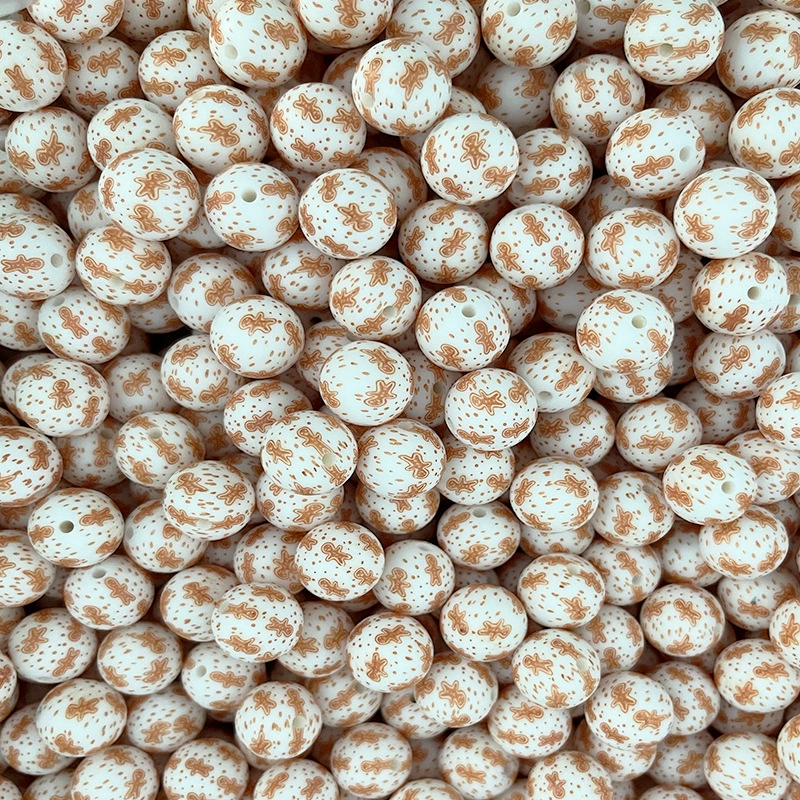
Theme DIY Silicone bead selection
Choosing the Right Silicone Beads for Your DIY Projects: A Comprehensive Guide
DIY projects with silicone beads offer endless creativity, from jewelry-making to home decor and accessories. However, selecting the perfect beads requires understanding their material properties, design versatility, and practical applications. Here’s how to navigate the world of silicone beads for your next DIY endeavor.
Understanding Material Quality and Durability
The foundation of any successful DIY project lies in choosing high-quality materials. Silicone beads come in varying grades, and understanding their differences ensures your creations last.
Food-Grade vs. Industrial-Grade Silicone
Not all silicone beads are created equal. Food-grade silicone is non-toxic, hypoallergenic, and safe for projects involving skin contact, such as bracelets, necklaces, or teething toys. Industrial-grade silicone, while durable, may contain additives that aren’t suitable for wearable items. Always prioritize food-grade options for projects that will be handled frequently or used by children.
Flexibility and Resistance to Wear
Silicone beads should strike a balance between softness and sturdiness. Overly stiff beads can feel uncomfortable in wearable projects, while excessively soft ones may lose their shape over time. Test a few beads by gently bending them—they should return to their original form without cracking or creasing. Additionally, beads resistant to UV light and temperature changes are ideal for outdoor decor or items exposed to sunlight.
Colorfastness and Longevity
Vibrant colors add appeal to DIY projects, but poor-quality dyes can fade or bleed over time. Look for beads with colorfast finishes that resist fading from sunlight, water, or friction. If you’re creating items like keychains or pet accessories that will be handled roughly, choose beads with encapsulated color, where the pigment is embedded within the silicone rather than applied as a surface coating.
Design Versatility: Shapes, Sizes, and Finishes
The aesthetic appeal of your DIY project depends heavily on the beads’ shapes, sizes, and finishes. Mixing and matching these elements can create unique, eye-catching designs.
Exploring Bead Shapes Beyond Round
While round beads are classic, don’t limit yourself. Silicone beads come in squares, hexagons, stars, hearts, and even custom shapes like animals or fruits. For a bohemian look, combine irregularly shaped beads with tassels or feathers. For a modern vibe, stick to geometric shapes like triangles or rectangles. The key is to balance variety without overwhelming the design.
Size Matters: Finding the Right Proportion
Bead size impacts both the visual weight and functionality of your project. Smaller beads (2-5mm) work well for delicate jewelry like earrings or layered bracelets, while larger beads (10mm+) make bold statements in necklaces or decorative pieces. Consider the intended use—a chunky bead might be perfect for a statement ring but impractical for a hair tie.
Finishes That Add Texture and Depth
Silicone beads offer a range of finishes, from matte to glossy to translucent. Matte finishes absorb light, creating a subtle, understated look ideal for everyday wear. Glossy finishes reflect light, adding drama to evening accessories or festive decorations. Translucent beads, especially when layered or combined with opaque ones, create a playful, ethereal effect perfect for summer-themed projects.
Practical Considerations for DIY Projects
Beyond aesthetics, practical factors like ease of use, safety, and maintenance play a crucial role in bead selection.
Ease of Stringing and Assembly
Some silicone beads have larger holes, making them easier to thread onto cords, wires, or elastic. If you’re working with thin materials like fishing line or beading thread, opt for beads with smaller holes to prevent slippage. For projects requiring frequent adjustments, like adjustable bracelets, choose beads with smooth holes to avoid fraying the stringing material.
Safety for All Ages
If your DIY project involves children or pets, safety is non-negotiable. Avoid beads with sharp edges or small parts that could pose a choking hazard. Ensure all beads are securely attached to prevent accidental ingestion. For teething toys or baby accessories, double-check that the beads are made from 100% food-grade silicone and free from harmful chemicals.
Maintenance and Cleaning
Silicone beads are generally low-maintenance, but some designs may trap dirt or grime more easily than others. Textured beads, while visually interesting, can be harder to clean than smooth ones. If you’re creating items like reusable snack bags or lunchbox accessories, choose beads with a non-porous surface that wipes clean easily. For decorative pieces, a gentle wash with mild soap and water is usually sufficient.
By prioritizing material quality, design versatility, and practical considerations, you can select silicone beads that elevate your DIY projects from ordinary to extraordinary. Whether you’re crafting for fun, gifts, or personal use, the right beads will ensure your creations are both beautiful and functional.


Leave a reply