


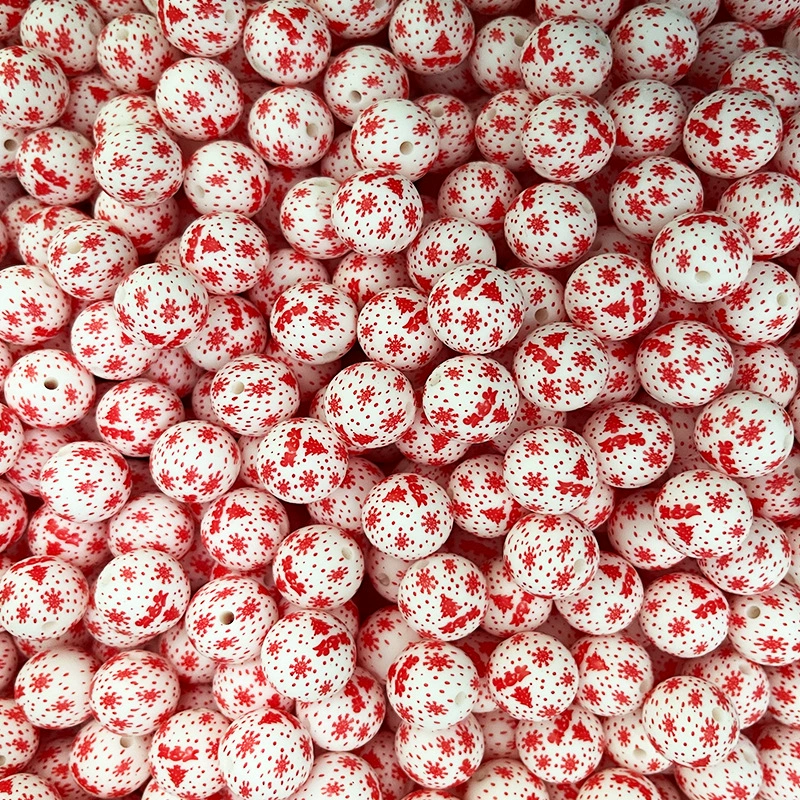
Judgment of the quality stability of silica gel beads
How to Assess the Quality Stability of Silicone Beads for Your Projects
When working with silicone beads, whether for crafting, jewelry-making, or industrial applications, ensuring their quality stability is crucial. Unstable beads can lead to uneven coloring, inconsistent sizing, or premature wear, compromising the final product. Here’s a detailed guide to evaluating the reliability of silicone beads without relying on brand names or specific products.
Visual Inspection: Identifying Surface Imperfections
The first step in assessing quality stability is a thorough visual check. Even minor flaws can indicate manufacturing inconsistencies or material degradation.
Checking for Uniform Color Distribution
High-quality silicone beads should have consistent coloring throughout. Look for beads where the hue appears even, without streaks, spots, or fading. This is especially important for projects requiring color matching, such as themed jewelry or coordinated decor. If beads are translucent or multi-colored, ensure the layers blend smoothly without abrupt transitions or clumping.
Examining Surface Texture and Smoothness
The surface of silicone beads should be free from bumps, pits, or rough patches. Run your fingers along the beads to detect any irregularities. A smooth finish not only enhances aesthetics but also prevents dirt or moisture from getting trapped, which could lead to discoloration or mold growth over time. Beads with a matte finish should feel uniformly dull, while glossy beads should reflect light evenly.
Spotting Cracks or Deformities
Even small cracks or deformities can weaken silicone beads, making them prone to breaking or stretching out of shape. Inspect each bead under good lighting, rotating it to view all angles. Pay close attention to the edges and holes, as these areas are more susceptible to damage during manufacturing or shipping. Beads with visible flaws should be avoided, as they may compromise the structural integrity of your project.
Physical Testing: Evaluating Durability and Flexibility
Visual checks alone aren’t enough—physical testing helps determine how well silicone beads hold up under stress and repeated use.
Bending and Stretching Tests
Gently bend a bead to assess its flexibility. High-quality silicone should return to its original shape without creasing, cracking, or leaving permanent marks. If the bead feels stiff or resists bending, it may be made from lower-grade material that could become brittle over time. For projects involving frequent handling, such as bracelets or keychains, prioritize beads that pass this test with ease.
Resistance to Tearing or Puncturing
Use a blunt tool, like a wooden skewer or the back of a pen, to lightly press against the bead’s surface. A stable, high-quality bead should resist puncturing or tearing, even under moderate pressure. If the bead dents easily or shows signs of tearing, it may not withstand everyday wear and tear. This is particularly important for items like pet accessories or children’s toys, which require extra durability.
Weight and Density Consistency
Pick up several beads of the same size and compare their weight. While minor variations are normal, significant differences could indicate inconsistent material density. Beads that feel unusually light may be hollow or filled with inferior material, while overly heavy beads could be over-packed or made from a denser, less flexible silicone. Consistent weight ensures your project maintains a balanced, professional appearance.
Environmental and Chemical Resistance: Long-Term Performance
Silicone beads are often exposed to environmental factors like sunlight, moisture, or chemicals. Testing their resistance ensures they’ll perform well over time.
UV Resistance: Preventing Fading and Brittleness
Expose a few beads to direct sunlight for several days (or use a UV lamp for accelerated testing). High-quality silicone beads should retain their color and flexibility without becoming brittle or discolored. Beads that fade quickly or develop a chalky texture may not be UV-stabilized, making them unsuitable for outdoor projects or items exposed to sunlight regularly.
Water and Humidity Tolerance
Submerge a bead in water for 24–48 hours, then check for changes in size, shape, or texture. Quality silicone beads should remain unchanged, while inferior ones may swell, shrink, or become sticky. For projects like bath toys or outdoor decorations, this test is essential to ensure the beads won’t degrade in moist environments.
Chemical Interaction: Avoiding Staining or Reactions
Test how beads react to common substances like hand sanitizer, sunscreen, or cleaning agents. Apply a small amount to a bead’s surface and wipe it off after a few minutes. Look for discoloration, stickiness, or surface damage. Beads that resist chemical interaction are safer for projects involving frequent contact with skincare products or household cleaners.
By combining visual inspection, physical testing, and environmental resistance checks, you can confidently assess the quality stability of silicone beads. This ensures your projects not only look great but also stand the test of time, regardless of how they’re used or where they’re displayed.






Leave a reply