


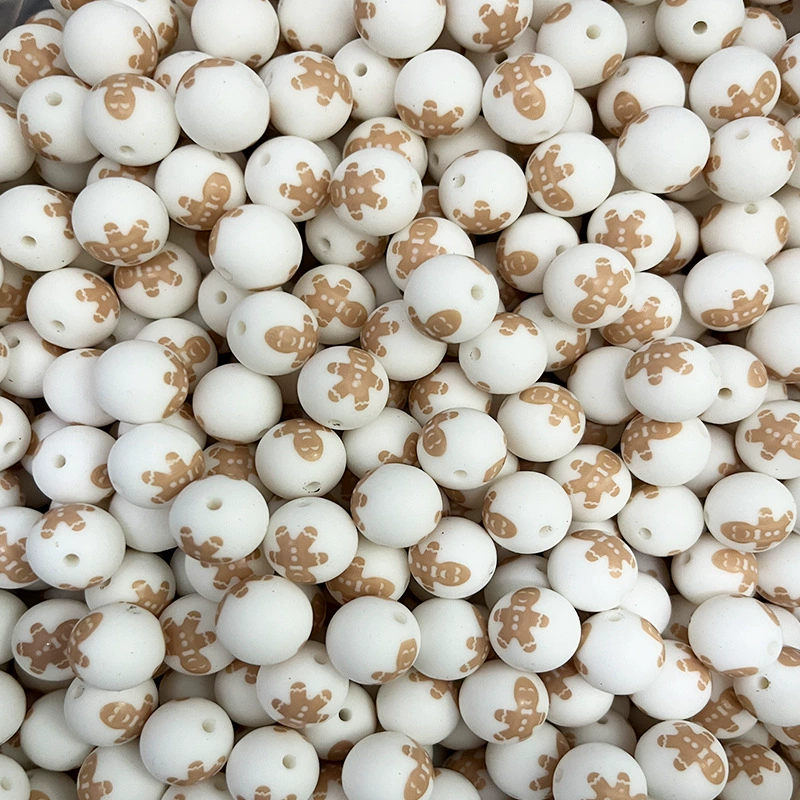
When purchasing imported silicone beads, pay attention to the following points
Key Considerations When Purchasing Imported Silica Gel Beads
Silica gel beads are widely used across industries for moisture control, chromatography, and specialized applications. When sourcing imported products, understanding critical factors ensures quality, compliance, and cost-effectiveness. Below are essential guidelines to navigate the selection process.
Purity and Material Specifications
Chemical Composition and Impurity Levels
High-purity silica gel beads should contain ≥99% SiO₂ with minimal impurities such as salts or metals. Impurities below 0.01% are ideal to prevent contamination in sensitive applications like pharmaceuticals or electronics. For chromatography, opt for beads with a surface area of 700–800 m²/g and pore volume of 0.7–0.9 cm³/g, as these properties influence separation efficiency.
Particle Size Distribution
Bead size impacts performance. For packaging, 2–4 mm beads balance airflow and moisture absorption. Chromatography applications require finer grades, such as 60–200 mesh, to achieve precise separation. Uniformity in size distribution minimizes pressure fluctuations in columns and ensures consistent drying rates.
Regulatory Compliance and Safety
International Certifications
Verify suppliers provide Safety Data Sheets (SDS) and Certificates of Analysis (COAs) aligned with regional regulations. Key standards include:
- FDA 21 CFR for food-grade applications.
- REACH (EU) for chemical safety.
- RoHS for restricting hazardous substances in electronics.
Indicator Safety
If using color-changing beads, avoid cobalt-based variants (e.g., blue silica gel) due to toxicity concerns. Opt for cobalt-free alternatives like orange beads impregnated with methyl violet, which comply with EU restrictions and are eco-friendly.
Logistics and Supplier Reliability
Trade Classifications and Tariffs
Silica gel beads fall under HS Code 281122 (silicon dioxide) or 38249025 (precipitated silica gel). Accurate classification avoids customs delays. Diversify sourcing from countries like the U.S., China, or India to mitigate tariff risks, as Chinese imports may face 5–10% duties in some regions.
Packaging and Shipping Standards
Ensure beads are packaged in moisture-resistant materials (e.g., multi-layer laminated sachets) to maintain low moisture content (<5% by weight). Request UN-compliant packaging for bulk shipments to prevent contamination during transit. Trackable delivery options reduce supply chain disruptions.
Application-Specific Customization
Specialized Grades for Industry Needs
- Food and Pharmaceuticals: Use food-safe packaging (e.g., Tyvek or polyethylene) that prevents dust leakage and meets FDA guidelines.
- Chromatography: Select beads with tailored pore sizes (e.g., 30–100 Å for small molecules, 500–1000 Å for proteins) to optimize separation efficiency.
- High-Temperature Environments: Prioritize beads with thermal stability up to 120°C for industrial drying processes.
Sustainability Options
Choose regenerable silica gel beads to reduce waste. These can be reactivated by heating at 120°C for 2–3 hours, extending their lifespan. Additionally, request biodegradable packaging to align with eco-conscious practices.
Final Checks Before Purchase
Supplier Capacity and Support
Confirm the supplier can meet large-scale demands (10–200 tons/month) and offers technical guidance on grade selection or regeneration. Prioritize partners with ISO 9001 (quality management) and ISO 14001 (environmental management) certifications for reliability.
Testing and Quality Assurance
Request samples to evaluate moisture uptake capacity (30–40% at 25°C, 90% RH) and particle uniformity. Third-party lab reports (e.g., ISO 17025-accredited) provide unbiased validation of product specifications.
By addressing these factors, buyers can secure high-quality imported silica gel beads that meet performance, safety, and sustainability requirements across diverse applications.

Leave a reply