


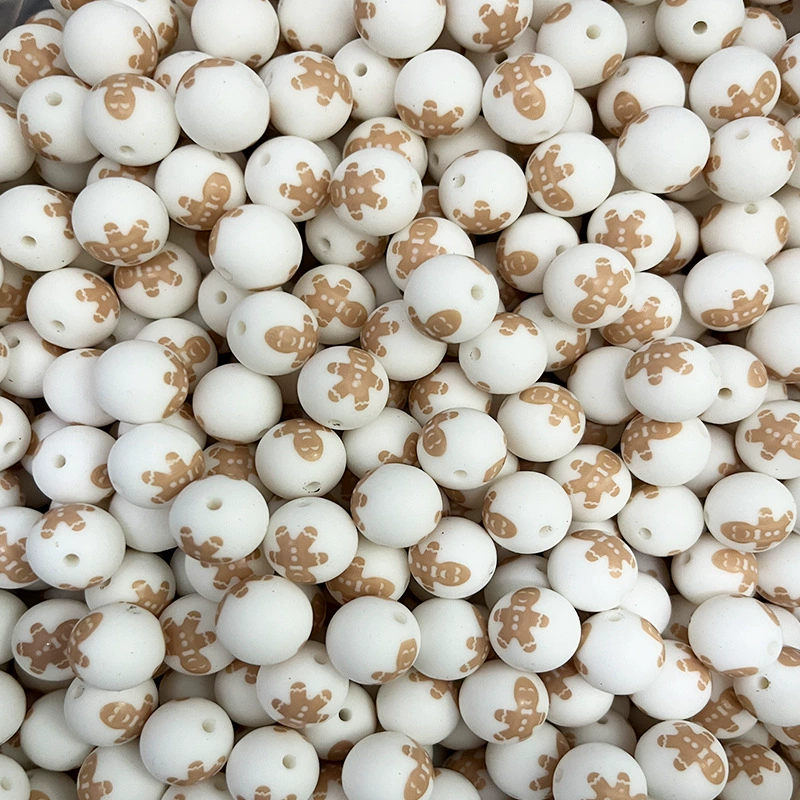
Quality assessment of domestic silicone beads
How to Assess the Quality of Domestically Produced Silica Gel Beads
Silica gel beads are essential for moisture control, industrial drying, and specialized applications. When evaluating domestically manufactured options, understanding key quality indicators ensures optimal performance and longevity. Here’s a structured approach to making informed decisions.
Physical Properties and Consistency
Particle Size and Uniformity
High-quality silica gel beads should exhibit consistent sizing within a specified range, such as 2–5 mm for general-purpose use or 50–200 mesh for chromatography. Irregular shapes or oversized particles reduce surface area, limiting moisture absorption efficiency. Use a sieve test to verify uniformity; beads should pass through 90% of the target mesh size without excessive fines.
Pore Structure and Surface Area
The pore structure directly impacts absorption capacity. Beads with macroporous (large pore) designs are ideal for rapid moisture uptake, while microporous (small pore) variants suit applications requiring slow, controlled release. A surface area of 600–800 m²/g indicates high porosity, enhancing performance in humidity-sensitive environments like electronics storage.
Chemical Stability and Safety
Purity and Contaminant Levels
Domestic manufacturers should provide certificates of analysis (COAs) confirming ≥98% SiO₂ content with minimal impurities (e.g., <0.05% heavy metals). Contaminants like iron or sodium can degrade performance in food-grade or pharmaceutical applications. Test for pH neutrality (6–8) to ensure compatibility with sensitive materials.
Indicator Safety and Stability
For color-changing beads, avoid cobalt-based compounds (e.g., blue silica gel) due to toxicity risks. Opt for cobalt-free alternatives like methyl violet-impregnated beads, which comply with global safety standards. Stability tests under UV light or humidity cycles ensure indicators retain functionality without leaching harmful substances.
Performance Metrics and Testing
Moisture Absorption Capacity
Quality beads should absorb 30–40% of their weight in water at 25°C and 90% relative humidity (RH). Conduct accelerated tests by exposing beads to 80% RH for 24 hours; a weight gain below 25% indicates subpar performance. Reusable beads must maintain ≥80% capacity after 5 regeneration cycles (heating at 120°C).
Thermal and Mechanical Durability
Beads used in high-temperature environments (e.g., industrial dryers) should withstand 150–200°C without cracking or losing porosity. For mechanical stress tests, compress beads to 50% of their original height; minimal deformation confirms structural integrity. Dust generation during handling should be minimal to avoid contamination risks.
Manufacturing Standards and Compliance
Certifications and Regulatory Adherence
Domestic producers must adhere to ISO 9001 (quality management) and ISO 14001 (environmental management) standards. For food-grade applications, verify compliance with FDA 21 CFR or GB 4806.7 (China’s food contact material standards). Chromatography-grade beads require USP Class VI certification for biocompatibility.
Packaging and Shelf Life
Beads should arrive in moisture-proof packaging (e.g., aluminum-lined bags) with a desiccant to maintain <5% moisture content. Check for batch numbers and expiration dates to ensure traceability. Properly stored beads retain efficacy for 2–3 years; discoloration or clumping signals degradation.
Application-Specific Validation
Customization for Industry Needs
- Electronics: Use beads with low dust generation and anti-static coatings to protect sensitive components.
- Pharmaceuticals: Prioritize sterilizable grades (e.g., autoclave-compatible) and validate against microbial growth.
- Agriculture: Select beads with slow-release fertilizers or pesticides for soil moisture regulation.
Field Testing Under Real Conditions
Deploy beads in controlled environments mimicking actual use cases. For example, test humidity control in a 10m³ chamber at 70% RH; target RH should stabilize within ±5% within 24 hours. Monitor for signs of caking or channeling, which indicate poor flow properties.
Supplier Reliability and Support
Technical Expertise and Responsiveness
Choose manufacturers offering on-site audits and custom formulation services. A responsive team should address queries within 24 hours and provide application-specific guides (e.g., regeneration protocols for reusable beads).
Long-Term Partnership Potential
Evaluate scalability by requesting samples for pilot-scale trials (10–100 kg). Consistent batch quality over 6 months indicates reliable production processes. Prefer suppliers with R&D capabilities to adapt to evolving industry demands (e.g., biodegradable beads).
By focusing on these criteria, buyers can confidently select domestically produced silica gel beads that meet performance, safety, and regulatory requirements across diverse applications.


Leave a reply