


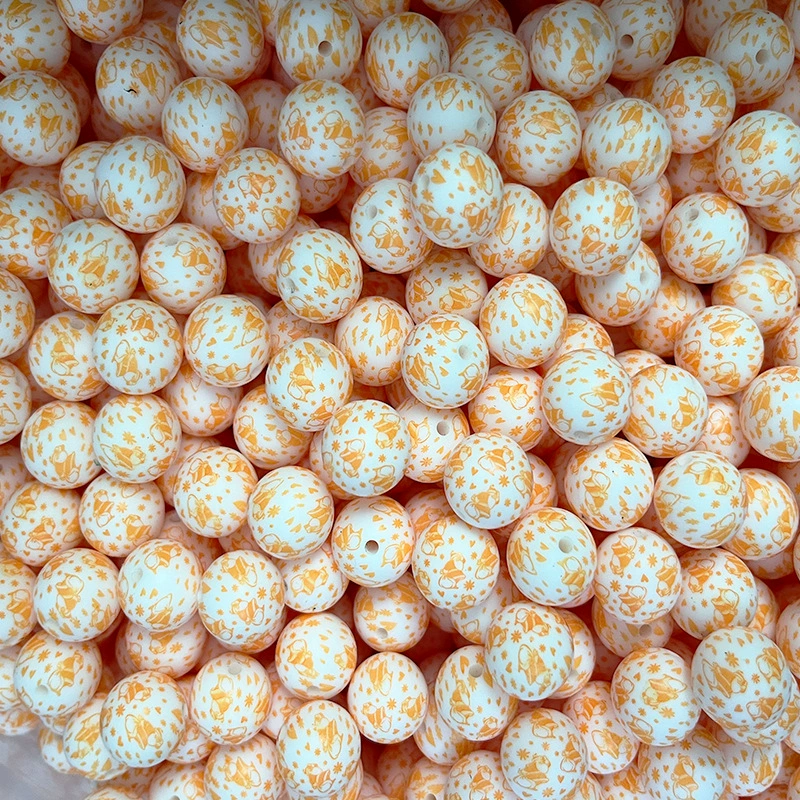
Selection of Silicone Bead Splicing Tools
Choosing the Right Tools for Stringing Silicone Beads: A Practical Guide
Stringing silicone beads requires precision and the right tools to ensure your projects turn out neat and durable. Whether you’re crafting jewelry, keychains, or decorative items, selecting appropriate tools can make the process smoother and more enjoyable. Here’s a detailed look at essential tools for working with silicone beads and how to choose them wisely.
Understanding Bead Hole Sizes and Thread Types
Before picking tools, consider the size of your silicone beads and the type of thread you plan to use. Silicone beads come in various hole diameters, ranging from tiny (1mm or less) to large (3mm or more). The thread you select—whether elastic cord, nylon thread, or beading wire—must fit comfortably through these holes without stretching or fraying.
For small-holed beads, opt for thin, flexible threads like elastic cord or fine nylon. Larger beads can accommodate thicker threads, which provide added strength for heavier projects. Matching your thread to the bead hole size ensures smooth stringing and reduces the risk of broken threads or damaged beads.
Assessing Thread Flexibility
- Elastic cord is ideal for stretchy bracelets or anklets but may not hold up well with very heavy beads.
- Nylon thread offers a balance of strength and flexibility, making it versatile for most projects.
- Beading wire is rigid and durable, perfect for necklaces or items that need extra support.
Essential Tools for Stringing Silicone Beads
Having the right tools on hand simplifies the beading process and helps you achieve professional results. Here are three must-have tools for any silicone bead project.
Beading Needles
Beading needles are thin, flexible tools designed to slide easily through small bead holes. They come in various lengths and thicknesses, so choose one that matches your thread and bead size. For example, a size 10 or 12 needle works well with fine nylon thread and small silicone beads, while a size 8 needle may be better for larger beads or thicker threads.
When using a beading needle, thread it carefully to avoid bending or breaking the tip. If you’re working with elastic cord, look for needles with larger eyes to accommodate the thicker material. Some crafters prefer collapsible eye needles, which can be easier to thread but may require more practice to use effectively.
Thread Cutters or Scissors
Precision cutting is crucial when working with silicone beads, as uneven thread ends can make threading difficult or lead to fraying. A sharp pair of thread cutters or small scissors is essential for trimming thread to the correct length and creating clean ends.
Choose cutters with a fine tip for detailed work, especially if you’re using thin threads. Scissors with a straight edge are better for cutting elastic cord or nylon thread, while curved scissors may be more comfortable for some crafters. Keep your cutting tools clean and sharp to ensure smooth cuts every time.
Crimping Tools (for Non-Elastic Projects)
If you’re using beading wire or nylon thread for a project that requires a clasp, a crimping tool is indispensable. Crimping tools are designed to secure crimp beads—small metal tubes that hold the thread in place—by flattening them tightly around the wire. This creates a durable connection that prevents the thread from slipping out of the clasp.
When using a crimping tool, position the crimp bead correctly on the wire before squeezing. Apply even pressure to avoid damaging the wire or leaving the crimp bead loose. Some crimping tools have multiple notches to accommodate different crimp bead sizes, so choose one that matches your project’s needs.
Additional Tools for Advanced Projects
As you gain experience with silicone beads, you may want to explore more advanced techniques that require specialized tools. Here are two optional tools that can enhance your beading projects.
Bead Reamers
A bead reamer is a handy tool for enlarging bead holes, especially if you’re working with vintage or handmade beads with irregular holes. It consists of a thin, tapered file that you gently rotate inside the bead hole to widen it. Bead reamers are particularly useful for silicone beads with small or partially blocked holes, allowing you to use them in projects they might not otherwise fit.
When using a bead reamer, work slowly and carefully to avoid cracking the bead. Test the hole size frequently by sliding your thread through it to ensure you don’t over-enlarge it. Clean the reamer after each use to remove any bead material or debris.
Bead Design Boards
A bead design board is a foam or felt board with grooves and measurements marked on it. It helps you plan your bead patterns and keep track of spacing before stringing. While not strictly necessary, a design board can be invaluable for complex projects like multi-strand necklaces or symmetrical bracelets.
Lay out your beads on the board to visualize the finished design and adjust the layout as needed. The grooves hold the beads in place, preventing them from rolling away while you work. Some design boards also include storage compartments for loose beads, keeping your workspace organized.
Tips for Maintaining Your Beading Tools
Proper care ensures your tools last longer and perform at their best. Here are a few simple maintenance tips:
- Clean your beading needles regularly by wiping them with a soft cloth to remove thread residue or bead material.
- Store thread cutters or scissors in a protective case to prevent the blades from dulling or becoming damaged.
- Oil your crimping tool occasionally to keep the hinges moving smoothly and prevent rust.
- Keep bead reamers in a dry place to avoid corrosion, and clean them after each use to maintain their sharpness.
Final Considerations When Choosing Tools
When selecting tools for stringing silicone beads, prioritize quality and comfort. Cheap or poorly made tools can make the beading process frustrating and lead to uneven results. Look for tools with ergonomic handles that fit comfortably in your hand, especially if you plan to work on large projects or bead for extended periods.
Additionally, consider the versatility of each tool. For example, a multi-purpose crimping tool may be more cost-effective than buying separate tools for different crimp bead sizes. Similarly, a beading needle set with various sizes can accommodate a wide range of projects without requiring multiple purchases.
By investing in the right tools and maintaining them properly, you’ll set yourself up for success with any silicone bead project. Whether you’re a beginner or an experienced crafter, having the essentials on hand will make the process more enjoyable and help you create beautiful, durable pieces.


Leave a reply