


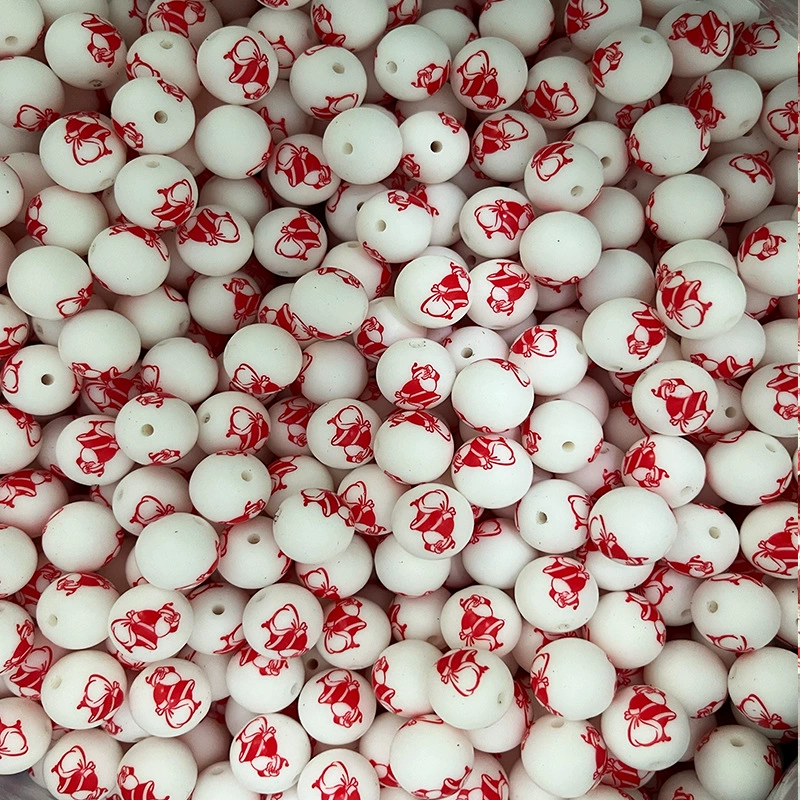
Method of knotting and fixing silica gel beads
How to Securely Knot Silicone Beads: Techniques for Lasting Jewelry
Silicone beads are popular for crafting bracelets, anklets, and other accessories due to their soft texture and vibrant colors. However, securing them properly with knots is essential to prevent the beads from slipping or the jewelry from falling apart. Whether you’re working with elastic cord, thread, or wire, mastering the right knotting techniques ensures your designs stay intact. Here’s a step-by-step guide to knotting silicone beads securely.
Choosing the Right Cord for Knotting
The type of cord you use affects how well your knots hold and how durable your jewelry is. Elastic cord is a common choice for silicone bead projects because it stretches, making it easy to slip on and off. However, not all elastic cords are created equal. Opt for a high-quality, non-fraying elastic that resists stretching out over time. For non-stretchy designs, nylon thread or beading wire works well, offering strength and minimal stretch.
When selecting cord thickness, consider the size of your silicone beads’ holes. Thicker cords may not fit through smaller holes, while thinner cords might not provide enough support for heavier beads. Test the cord by sliding it through a bead before starting your project to ensure a smooth fit.
Matching Cord to Bead Weight
- Lightweight silicone beads pair well with thin elastic cord or nylon thread for a delicate look.
- Medium-weight beads work best with medium-thickness elastic or thread, balancing flexibility and strength.
- Heavy or large silicone beads require thick elastic cord or beading wire to prevent breakage and ensure the knots stay tight.
Basic Knotting Techniques for Silicone Beads
The simplest way to secure silicone beads is with a square knot, also known as a reef knot. This knot is easy to tie and works well for most elastic cord projects. To tie a square knot:
- After threading your beads, hold both ends of the cord together, ensuring the beads are in the desired position.
- Cross the right end over the left end and pull it through the loop to form the first half of the knot.
- Repeat the process by crossing the left end over the right end and pulling it through the loop.
- Pull both ends tightly to secure the knot, making sure it sits snugly against the last bead.
For added security, especially with elastic cord, tie a second or third square knot on top of the first. This prevents the knot from coming undone due to repeated stretching. After tying the knots, apply a small drop of clear nail polish or fabric glue to the center of the knot. Let it dry completely before trimming the excess cord close to the knot.
Using Surgeon’s Knot for Extra Strength
If you’re working with slippery cord or want extra security, a surgeon’s knot is an excellent alternative. This knot adds an extra twist to the first part of the square knot, creating more friction and reducing the chance of slippage. To tie a surgeon’s knot:
- Cross the right end over the left end and wrap it around twice instead of once, forming two loops.
- Pull the right end through the loops to complete the first half of the knot.
- Finish with a standard square knot by crossing the left end over the right end and pulling it through the loop.
- Tighten the knot firmly and reinforce it with glue or nail polish as needed.
Advanced Knotting Methods for Complex Designs
For jewelry with multiple strands or intricate patterns, more advanced knotting techniques can help keep everything organized and secure. The double-strand knot is useful when working with two parallel cords, such as in a braided design. To tie a double-strand knot:
- Lay the two cords side by side, ensuring they’re aligned properly.
- Treat the two cords as one and tie a square knot or surgeon’s knot as usual.
- Pull the knot tight, making sure both cords are evenly secured.
Another advanced method is the sliding knot, which allows for adjustable jewelry pieces like bracelets or necklaces. To create a sliding knot:
- Take two separate lengths of cord and lay them parallel to each other, with one cord forming a loop at the end.
- Wrap the other cord around the loop several times, creating a coiled section.
- Thread the end of the wrapping cord through the loop and pull both ends to tighten the coil.
- Repeat the process on the other side of the jewelry piece to create a second sliding knot.
- Adjust the knots by sliding them along the cords to change the size of the jewelry.
Incorporating Bead Stops for Stability
In some designs, especially those with beads spaced far apart, bead stops can help keep the beads in place and prevent them from sliding toward the knots. Bead stops are small, flat spacers that sit between beads or at the ends of the cord. You can use silicone spacers, seed beads, or even small knots as bead stops. To add a bead stop:
- Slide a small spacer or seed bead onto the cord after the last silicone bead.
- Tie a tiny knot next to the spacer to hold it in place.
- Repeat the process at the other end of the jewelry piece if needed.
Troubleshooting Common Knotting Issues
Even with careful tying, knots can sometimes come undone or sit unevenly. One common issue is the knot slipping, which often happens when using smooth or slippery cord. To fix this, re-tie the knot using a surgeon’s knot or add more wraps to increase friction. Reinforcing the knot with glue or nail polish also helps prevent slippage.
Another problem is the knot looking bulky or uneven, which can detract from the overall appearance of your jewelry. To create a neater knot, pull the ends of the cord slowly and evenly while tightening. Avoid yanking the cord, as this can cause the knot to bunch up. If the knot is still uneven, untie it and start over, paying close attention to how you cross and loop the cord.
Preventing Cord Fraying
Frayed cord ends can make it difficult to thread beads or tie knots neatly. To prevent fraying, trim the cord ends at a slight angle using sharp scissors or thread cutters. If the cord still frays, dip the ends in a small amount of clear nail polish or fabric glue and let them dry before threading the beads. This creates a stiff, non-fraying tip that slides easily through bead holes.
By mastering these knotting techniques and troubleshooting common issues, you can create beautiful, durable jewelry with silicone beads. Whether you’re making a simple bracelet or an elaborate necklace, the right knots ensure your designs stay secure and stylish for years to come.




Leave a reply