


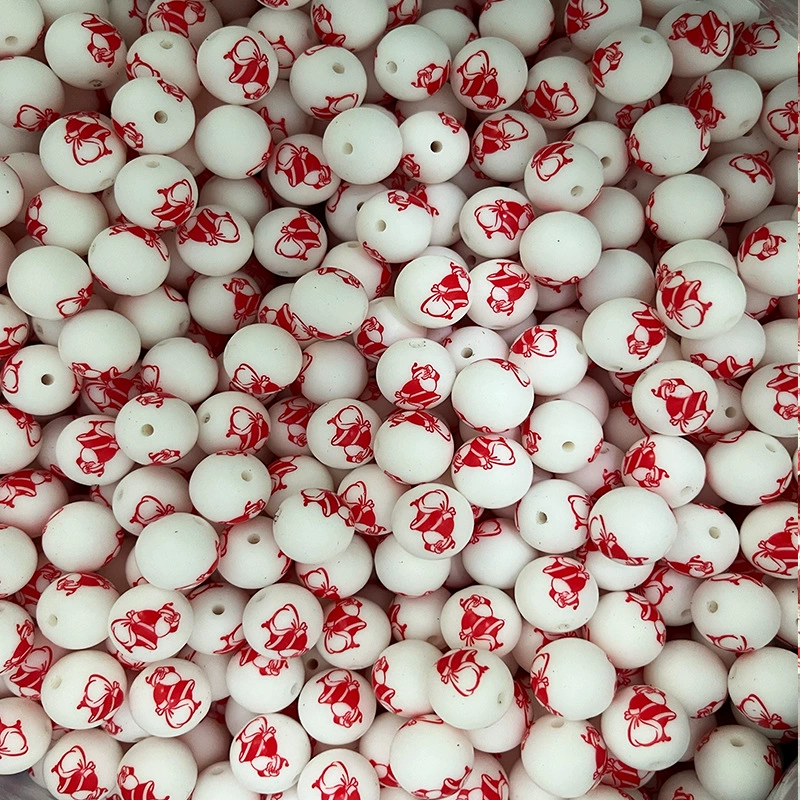
Silicone beads combined with metal accessories
Combining Silicone Beads with Metal Accessories: A Guide to Stylish and Durable Designs
Mixing silicone beads with metal accessories opens up a world of creative possibilities, allowing you to craft jewelry and accessories that are both eye-catching and functional. The contrast between the soft, flexible nature of silicone and the sleek, sturdy quality of metal creates a dynamic aesthetic that appeals to a wide range of styles. Whether you’re making bracelets, necklaces, or keychains, understanding how to properly combine these materials ensures your designs are not only beautiful but also long-lasting.
Choosing Complementary Metal Accessories
The key to a successful silicone-and-metal combination lies in selecting metal accessories that complement the colors and textures of your silicone beads. Metal comes in various finishes, such as polished, brushed, or antiqued, each offering a different visual effect. Consider the overall theme of your design—whether it’s modern, bohemian, or minimalist—and choose metal pieces that align with that aesthetic. For example, a polished silver accessory pairs well with bright, bold silicone beads, while an antiqued brass piece adds warmth to earthy-toned beads.
Matching Metal Tones to Silicone Colors
When selecting metal accessories, think about how their color will interact with your silicone beads. Cool-toned metals like silver or stainless steel work beautifully with pastel or jewel-toned silicone, creating a balanced and sophisticated look. Warm-toned metals such as copper or gold, on the other hand, enhance vibrant or neutral silicone beads, adding a touch of elegance. You can also experiment with mixed-metal accessories, combining two or more finishes for a unique, eclectic vibe.
Tips for Color Coordination
- Use a color wheel to identify complementary or contrasting hues between your silicone beads and metal accessories.
- Start with a neutral metal, like silver or black, if you’re unsure about color matching, then gradually introduce bolder tones.
- Consider the wearer’s skin tone when choosing metal finishes—cool metals often suit fairer skin, while warm metals complement darker tones.
Selecting Metal Shapes and Sizes
The shape and size of your metal accessories play a significant role in the overall design. Small, delicate metal charms or spacers work well with tiny silicone beads, creating a dainty and intricate look. Larger metal pieces, such as pendants or connectors, make a bold statement when paired with chunky silicone beads. When combining different shapes, aim for a mix of geometric and organic forms to add visual interest. For instance, pair a round metal bead with a triangular silicone bead for a modern contrast.
Balancing Proportions
- Ensure the size of your metal accessories is proportional to the silicone beads to avoid overwhelming the design.
- Use larger metal pieces as focal points and smaller ones as accents to create a sense of hierarchy.
- Experiment with layering metal and silicone elements for a dimensional effect.
Techniques for Securing Metal Accessories to Silicone Beads
Properly attaching metal accessories to silicone beads is essential for ensuring your designs are durable and safe to wear. Silicone’s flexibility requires secure connections that won’t loosen over time, while metal’s rigidity demands methods that prevent damage to the beads. Here are some effective techniques for combining these materials seamlessly.
Using Jump Rings and Split Rings
Jump rings and split rings are versatile tools for connecting metal charms, pendants, or connectors to silicone beads. These small metal loops open and close easily, allowing you to attach and detach components as needed. When using jump rings, ensure they’re fully closed to prevent them from snagging on clothing or coming apart during wear. Split rings, which resemble tiny key rings, offer extra security by doubling the loop, making them ideal for heavier metal pieces.
Best Practices for Jump Rings and Split Rings
- Choose jump rings with a gauge that matches the thickness of your stringing material to ensure a snug fit.
- Use two pairs of pliers to open and close jump rings gently, avoiding twisting or bending that could weaken the metal.
- For added security, add a small drop of jewelry glue to the closed jump ring before attaching it to your design.
Incorporating Metal Spacers and Bead Caps
Metal spacers and bead caps are decorative elements that also serve a functional purpose in silicone bead designs. Spacers, which are small metal discs or cylinders, create gaps between beads, preventing them from rubbing against each other and adding structure to your design. Bead caps, which fit over the ends of beads, provide a finished look while protecting the silicone from fraying or splitting. Both spacers and bead caps can be used to transition between silicone and metal components, creating a cohesive flow.
Creative Uses for Spacers and Bead Caps
- Alternate metal spacers with silicone beads to create a rhythmic pattern that highlights both materials.
- Use bead caps to frame a focal silicone bead, drawing attention to its color or shape.
- Stack multiple spacers or bead caps for a layered, textured effect.
Knotting and Crimping Techniques
For designs that require extra strength, such as bracelets or anklets, knotting and crimping are reliable methods for securing metal accessories to silicone beads. Knotting involves tying small knots in your stringing material between beads to hold them in place, while crimping uses tiny metal tubes that are squeezed shut to lock components together. These techniques are particularly useful when working with elastic cord or wire, as they prevent the material from stretching or slipping over time.
Step-by-Step Knotting and Crimping
- To knot, thread your silicone bead onto the cord, then tie a simple overhand knot close to the bead. Repeat between each bead for a secure hold.
- For crimping, slide a crimp tube onto your wire, followed by your metal accessory and silicone bead. Pass the wire back through the crimp tube, then use crimping pliers to squeeze the tube shut.
- Trim any excess wire or cord after knotting or crimping to create a clean finish.
Designing with Contrast and Balance
The beauty of combining silicone beads with metal accessories lies in the interplay between contrasting textures and materials. Silicone’s soft, matte finish contrasts beautifully with metal’s shiny, hard surface, creating a visual and tactile experience that’s both interesting and appealing. To achieve a harmonious design, focus on balancing these contrasts while incorporating elements that tie the look together.
Playing with Texture Contrast
Texture is a powerful tool in design, and combining silicone and metal allows you to explore a wide range of tactile possibilities. Smooth, polished metal pairs well with bumpy or ridged silicone beads, creating a dynamic contrast that draws the eye. Conversely, brushed or hammered metal adds a rustic touch to sleek, glossy silicone, evoking a sense of organic elegance. Experiment with different texture combinations to discover what resonates with your personal style.
Texture Pairing Ideas
- Combine a hammered metal pendant with smooth, round silicone beads for a bohemian look.
- Pair a textured metal spacer with a glossy, faceted silicone bead for a modern, edgy vibe.
- Use a matte metal charm with a soft, frosted silicone bead for a subtle, understated design.
Creating Visual Balance with Color and Shape
In addition to texture, color and shape play crucial roles in achieving balance in your designs. If your silicone beads are bright and bold, opt for neutral or monochromatic metal accessories to avoid overwhelming the look. Conversely, if your metal pieces are the focal point, choose subdued silicone beads that complement rather than compete with them. When it comes to shape, mix geometric metal components with organic silicone beads for a balanced, eclectic aesthetic.
Tips for Achieving Visual Harmony
- Use the 60-30-10 rule: let one material (either silicone or metal) dominate 60% of the design, another make up 30%, and the final 10% be an accent.
- Repeat colors or shapes throughout the design to create a sense of unity.
- Step back and view your design from a distance to assess whether the elements feel balanced and cohesive.
Layering and Stacking for Dimension
Layering and stacking are effective techniques for adding depth and dimension to your silicone-and-metal designs. Combine multiple strands of beads and accessories, alternating between silicone and metal, to create a full, luxurious look. You can also stack individual components, such as pendants or charms, on top of each other for a more intricate design. When layering, ensure each component has enough space to shine without feeling crowded.
Layering and Stacking Ideas
- Create a multi-strand bracelet by combining thin silicone cord with delicate metal chains.
- Stack several metal pendants of varying sizes on a single silicone bead for a bold, statement piece.
- Layer different textures of silicone beads with metal spacers for a tactile, dimensional effect.
By mastering the art of combining silicone beads with metal accessories, you can craft unique, eye-catching designs that stand out from the crowd. Whether you’re drawn to bold contrasts or subtle harmonies, understanding how to balance these materials allows you to create jewelry and accessories that are both stylish and functional. Experiment with different techniques, textures, and color combinations, and let your creativity guide you to stunning results.




Leave a reply