


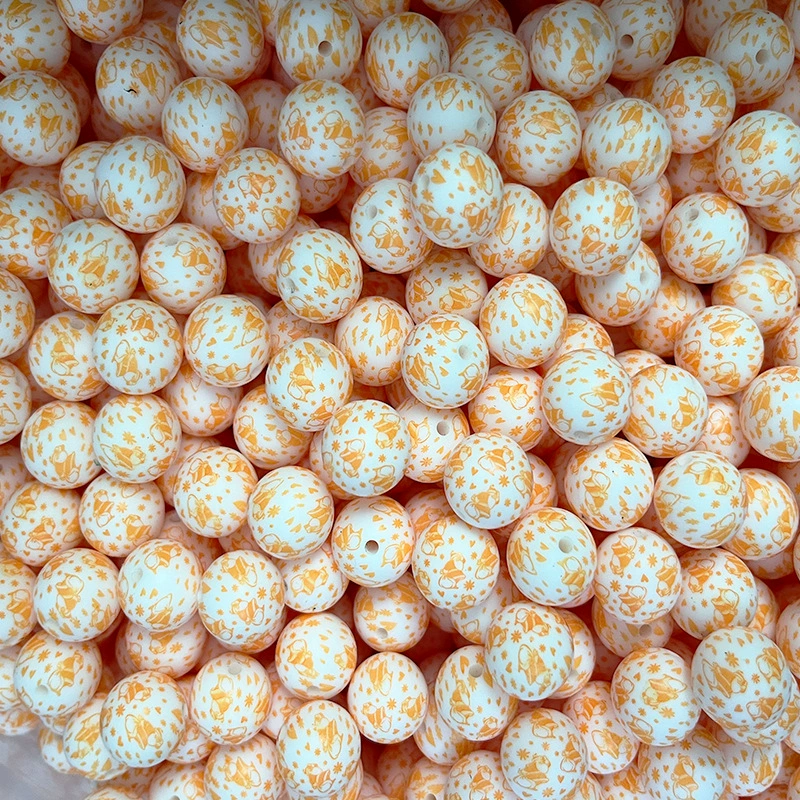
Silicone bead flat decoration technique
Creative Techniques for Flat Decorations Using Silicone Beads
Silicone beads are a versatile and colorful material perfect for crafting eye-catching flat decorations. Whether you’re designing wall art, greeting cards, or decorative panels, mastering these techniques will help you create unique pieces that stand out. Here’s how to elevate your flat decorations with silicone beads.
Designing Patterns with Silicone Beads
Geometric Patterns for Modern Looks
Geometric patterns are a timeless choice for flat decorations, offering a clean and structured aesthetic. Start by sketching your design on a flat surface, such as canvas, wood, or heavy paper, to serve as a guide.
For a simple grid pattern, use a ruler to mark evenly spaced lines both horizontally and vertically. Thread silicone beads onto a thin, flexible cord or fishing line, then attach them to the surface by stitching through pre-punched holes or using adhesive dots. Alternate colors to create a checkerboard effect or stick to a monochromatic scheme for a minimalist look.
Triangles and hexagons are also popular geometric shapes. Arrange them in repeating patterns or combine them to form larger designs. For example, create a honeycomb pattern by attaching hexagonal bead clusters side by side. Use contrasting colors to highlight the edges of each shape and add depth to your decoration.
Organic and Fluid Designs
If you prefer a more natural or whimsical style, try creating organic patterns with silicone beads. These designs mimic the irregular shapes found in nature, such as leaves, flowers, or waves.
Start by drawing a loose outline of your desired shape on the surface. Thread beads onto your cord or line, then follow the outline, adding beads as needed to fill in the shape. For a flowing effect, vary the spacing between beads and allow the line to curve and twist naturally.
To enhance the organic feel, use beads in earthy tones like greens, browns, and blues. You can also mix bead sizes to create texture, with larger beads representing focal points and smaller beads filling in the details. For example, in a beaded flower design, use larger beads for the petals and smaller beads for the center or leaves.
Adding Dimension to Flat Decorations
Creating Raised Elements
Even though your decoration is flat, you can add a sense of dimension by creating raised elements with silicone beads. This technique involves building up layers of beads to make certain parts of your design stand out.
Start by attaching a base layer of beads to the surface using adhesive or stitching. Then, add a second layer on top of the first, slightly offsetting the beads to create a stepped effect. Continue adding layers until you achieve the desired height. For example, in a beaded sun design, build up the rays by adding layers of beads that get progressively smaller as they extend outward.
Another way to create raised elements is by using different bead shapes. Combine round beads with cylindrical or cone-shaped beads to add variety and make certain parts of your design pop. For instance, in a beaded animal, use round beads for the body and cone-shaped beads for the ears or nose.
Using Color Gradation for Depth
Color gradation is a powerful tool for adding depth to flat decorations. By arranging beads in shades of the same color, you can create the illusion of light and shadow, making your design appear more three-dimensional.
Start by selecting a color palette that transitions smoothly from light to dark or vice versa. For example, if you’re creating a beaded ocean scene, use light blue beads for the surface of the water and gradually introduce darker blues and greens as you move downward to represent the depths of the ocean.
To achieve a seamless gradation, arrange the beads in rows or clusters, blending the colors together. You can also use this technique to highlight specific areas of your design, such as the center of a flower or the edges of a geometric shape.
Incorporating Mixed Media into Bead Decorations
Combining Beads with Paint or Ink
Silicone beads can be beautifully complemented by paint or ink, allowing you to create mixed-media decorations with rich textures and colors. This technique works especially well for adding background elements or accent details to your bead design.
Start by applying a base layer of paint or ink to your surface using a brush, sponge, or stencil. Let it dry completely before attaching your beads. Choose colors that contrast with or complement the beads to create a visually appealing composition. For example, if you’re using brightly colored beads, opt for a neutral background like white or gray.
Once the paint is dry, use adhesive or stitching to attach your beads to the surface. You can also use paint or ink to add details to the beads themselves, such as drawing faces on beaded characters or adding veins to beaded leaves.
Adding Fabric or Paper Elements
Incorporating fabric or paper into your bead decorations can add softness and texture, creating a unique contrast with the smooth surface of the beads. This technique is ideal for creating collage-style decorations or adding layers to your design.
Cut fabric or paper into shapes that complement your bead pattern, such as circles, stars, or leaves. Attach them to the surface using adhesive or by stitching through pre-punched holes. Then, add beads around or on top of the fabric or paper elements to integrate them into the design.
For example, in a beaded garden scene, use green fabric or paper to create grass or leaves, then add beaded flowers and insects on top. The combination of materials will give your decoration a tactile and visually interesting quality.
Tips for Perfecting Your Flat Bead Decorations
- Plan Your Layout: Before attaching any beads, arrange them on the surface to experiment with different patterns and compositions. This helps you visualize the final result and make adjustments as needed.
- Use the Right Adhesive: Choose an adhesive that is strong enough to hold the beads in place but won’t damage the surface or the beads themselves. Test the adhesive on a small area first to ensure compatibility.
- Secure Your Threads: If you’re stitching the beads onto the surface, make sure your threads are tightly secured at the beginning and end to prevent the beads from coming loose over time.
- Experiment with Spacing: Vary the spacing between beads to create different effects. Close spacing can make your design appear dense and detailed, while wider spacing can give it a more open and airy feel.
- Protect Your Work: Once your decoration is complete, consider applying a clear sealant or varnish to protect the beads and surface from dust, moisture, and fading.
By exploring these techniques, you can transform simple silicone beads into stunning flat decorations that add a touch of creativity and personality to any space. Let your imagination guide you as you experiment with patterns, colors, and materials to craft unique pieces that reflect your style.



Leave a reply