


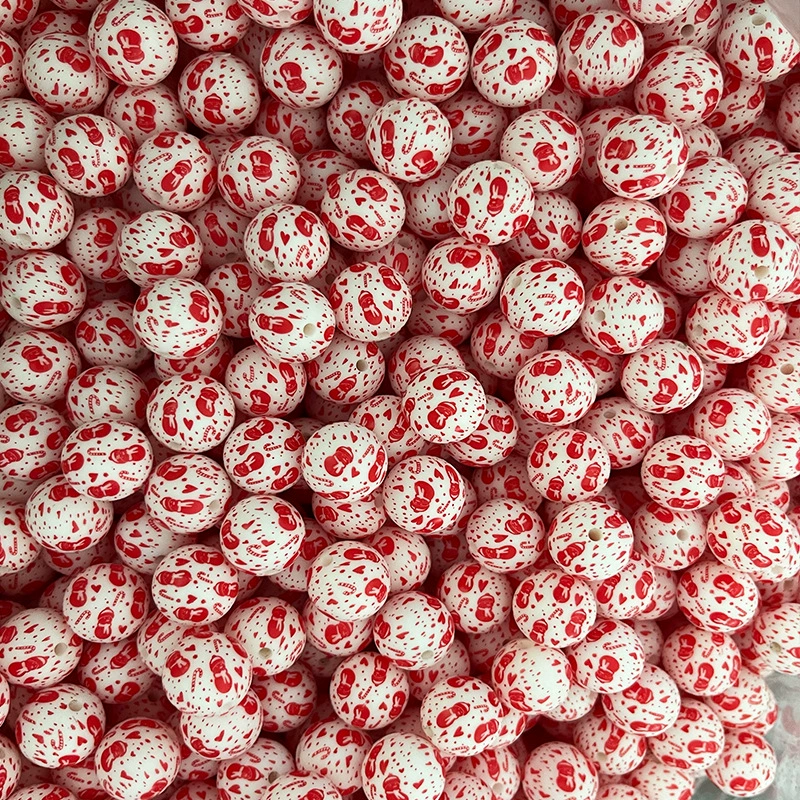
Method for attaching and fixing silica gel beads
Effective Methods for Securing Silicone Beads in Place
Silicone beads are popular for crafting, jewelry making, and decorative projects due to their flexibility, vibrant colors, and durability. However, ensuring they stay firmly attached can be challenging without the right techniques. Whether you’re working on a small accessory or a larger design, understanding how to properly secure silicone beads will help you achieve professional-looking results. Here’s a detailed guide to help you master the process.
Choosing the Right Adhesive for Silicone Beads
Understanding Adhesive Types
Not all adhesives work equally well with silicone beads. The material’s non-porous nature means it requires a strong, flexible bond to prevent the beads from detaching over time. Look for adhesives specifically formulated for bonding silicone to other surfaces, such as fabric, plastic, or metal.
Clear-drying adhesives are often preferred for decorative projects, as they leave no visible residue and maintain the aesthetic appeal of the beads. For projects that require extra durability, such as jewelry or items exposed to moisture, opt for a waterproof adhesive to ensure long-lasting adhesion.
Testing Adhesive Compatibility
Before applying adhesive to your entire project, conduct a small test to ensure compatibility. Apply a tiny amount of adhesive to a scrap piece of the surface material and a spare silicone bead. Press them together and allow the adhesive to cure fully according to the manufacturer’s instructions.
Check the bond strength by gently tugging on the bead. If it stays firmly in place without peeling or lifting, the adhesive is suitable for your project. If the bond is weak, try a different adhesive or adjust your application technique to improve adhesion.
Preparing Surfaces for Optimal Bonding
Cleaning the Surface
A clean surface is essential for strong adhesion. Dust, oil, or residue can prevent the adhesive from bonding properly, leading to weak or uneven attachment. Use a mild soap and water solution to clean the surface thoroughly, then dry it completely with a clean, lint-free cloth.
For particularly smooth or non-porous surfaces, such as glass or certain plastics, lightly roughen the area where the beads will be attached using fine-grit sandpaper. This creates a slightly textured surface that improves adhesive grip without damaging the material.
Creating a Guide for Bead Placement
If your project requires precise bead placement, such as forming a specific pattern or design, consider creating a guide to help you position the beads accurately. You can use a removable marker, chalk, or a stencil to mark the spots where each bead should go.
For curved or irregular surfaces, use small pieces of masking tape to temporarily hold the beads in place while the adhesive cures. This ensures they stay aligned with your design and prevents shifting during the drying process.
Applying Adhesive and Attaching Silicone Beads
Using the Right Amount of Adhesive
Applying too much adhesive can create a messy finish and take longer to dry, while too little may result in a weak bond. For most projects, a thin, even layer of adhesive is sufficient. Use a small brush, toothpick, or precision applicator to apply the adhesive precisely where needed.
If you’re working with small beads, dip the tip of a toothpick into the adhesive and touch it to the back of the bead before placing it on the surface. This method gives you greater control over the amount of adhesive used and reduces the risk of excess seeping out from under the bead.
Pressing Beads Firmly into Place
Once you’ve applied adhesive to the bead or surface, press the bead firmly into place. Use your fingertip or a smooth, flat tool, such as a bone folder or the back of a spoon, to apply even pressure. This helps the adhesive spread evenly between the bead and the surface, creating a strong bond.
Hold the bead in place for a few seconds to allow the adhesive to start setting, then release it gently. Avoid moving or adjusting the bead once it’s been placed, as this can weaken the bond or create visible marks on the surface.
Ensuring Long-Lasting Adhesion
Allowing Sufficient Curing Time
Adhesive curing times vary depending on the type of adhesive used and environmental conditions such as temperature and humidity. Follow the manufacturer’s instructions for the recommended curing time, and avoid handling the project until the adhesive has fully cured.
For added strength, allow the adhesive to cure for an extra day or two before exposing the project to stress, moisture, or frequent handling. This ensures the bond reaches its maximum strength and reduces the risk of beads detaching prematurely.
Reinforcing Bonds in High-Stress Areas
If your project will be subject to frequent movement, stretching, or friction, consider reinforcing the bonds in high-stress areas. Apply a small amount of additional adhesive around the base of each bead, then use a toothpick or small brush to smooth it out and create a seamless finish.
For extra durability, you can also use a clear sealant or varnish over the entire project once the adhesive has cured. This provides an additional layer of protection against wear and tear, helping your silicone beads stay securely in place for longer.
Troubleshooting Common Issues
Beads Detaching After Curing
If beads start to detach after the adhesive has cured, the most likely cause is insufficient adhesive or poor surface preparation. Reapply adhesive to the affected beads and surface, ensuring you use enough to create a strong bond. Clean the surface thoroughly before reattaching the beads to remove any residue that may be interfering with adhesion.
Adhesive Visibility or Residue
Visible adhesive or residue can detract from the appearance of your project. To minimize this issue, use a clear-drying adhesive and apply it sparingly. If residue appears after curing, gently rub it away with a cotton swab dipped in a small amount of rubbing alcohol or acetone, depending on the surface material. Test the solvent on a small, inconspicuous area first to ensure it doesn’t damage the surface.
By following these methods and paying attention to detail, you can ensure your silicone beads stay securely attached and enhance the beauty and durability of your projects. Whether you’re creating jewelry, accessories, or decorative items, mastering the art of securing silicone beads will open up a world of creative possibilities.




Leave a reply