


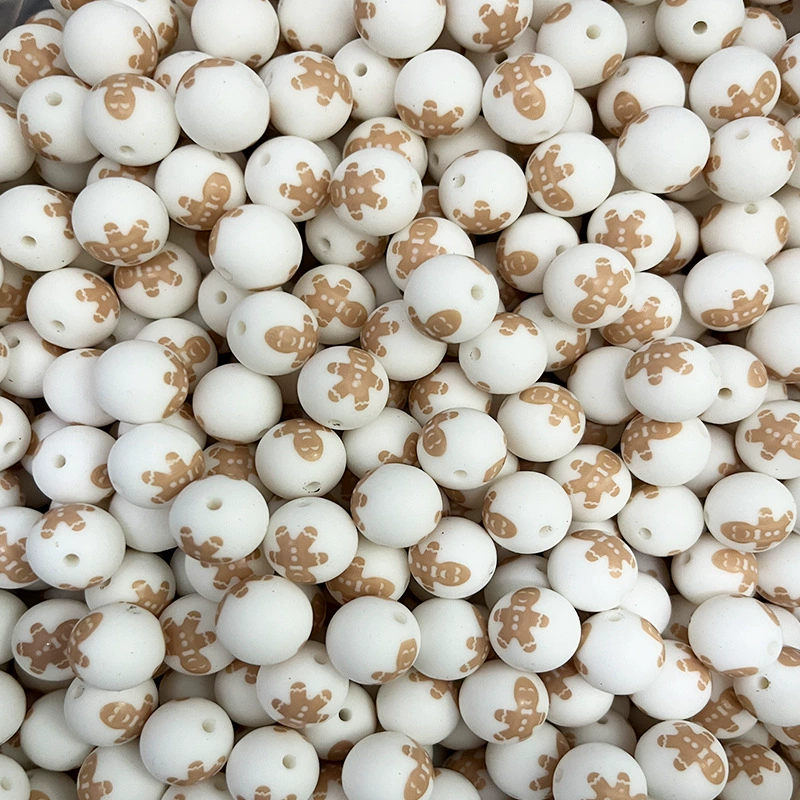
Silicone bead woven pattern design
Creative Weaving Patterns Using Silicone Beads: Techniques for Stunning Designs
Silicone beads offer a unique canvas for weaving enthusiasts, combining flexibility, vibrant colors, and durability. Their soft texture allows for intricate patterns that stand out in jewelry, accessories, and decorative items. By mastering basic weaving techniques and experimenting with color combinations, crafters can create eye-catching designs that showcase the versatility of silicone beads.
Basic Weaving Techniques for Silicone Beads
Single-Strand Weaving: Simple Yet Elegant
Single-strand weaving involves threading silicone beads onto a single cord or wire, creating a linear pattern. This method works well for bracelets, anklets, or keychains, where simplicity highlights the beads’ colors. Start by selecting beads of varying sizes or shapes to add visual interest. For example, alternate small round beads with larger oval ones to create a rhythmic pattern. Secure the ends with knots or clasps, ensuring the design lies flat against the skin or surface.
Multi-Strand Weaving: Adding Depth and Complexity
Multi-strand weaving uses two or more cords to build layered patterns. This technique suits necklaces or wall hangings, where depth enhances the design’s impact. Begin by braiding or twisting the cords together, then thread silicone beads onto each strand at intervals. Vary the bead placement to create asymmetry or symmetry, depending on the desired look. For instance, offset beads on adjacent strands to mimic a cascading effect, or align them for a structured, geometric appearance.
Loom Weaving: Precision for Intricate Designs
Loom weaving allows for precise control over bead placement, making it ideal for detailed patterns like chevrons, stripes, or floral motifs. Set up a simple loom with pegs or a frame, then stretch cords horizontally as the warp. Thread silicone beads vertically as the weft, weaving in and out of the warp cords. Experiment with color blocking by using different hues for each row, or create gradients by blending shades. This method is perfect for making coasters, placemats, or decorative panels.
Color Combinations That Enhance Silicone Bead Patterns
Monochromatic Schemes: Sophistication in Simplicity
Monochromatic designs use varying shades of a single color to create subtle, elegant patterns. For example, pair light blue silicone beads with navy ones, adding white or silver accents for contrast. This approach works well for minimalist jewelry or office decor, where understated beauty takes center stage. To add depth, incorporate beads with different finishes, such as matte and glossy, within the same color family.
Complementary Colors: Bold and Balanced
Complementary colors sit opposite each other on the color wheel, creating vibrant, high-contrast designs. Combine silicone beads in hues like purple and yellow, or blue and orange, to make patterns pop. Use one color as the dominant shade and the other as an accent to avoid overwhelming the design. For instance, weave a bracelet with mostly purple beads, interspersed with small yellow ones for a lively, balanced look.
Analogous Colors: Harmonious and Calming
Analogous colors are adjacent on the color wheel, such as green, yellow-green, and yellow. These combinations create soothing, cohesive patterns that suit bohemian or nature-inspired themes. Weave a necklace using shades of green silicone beads, transitioning from mint to forest green, for a serene, organic feel. Add neutral beads like beige or white to break up the colors and maintain balance.
Advanced Patterns for Experienced Weavers
Chevron Patterns: Dynamic and Modern
Chevron patterns feature zigzag lines that add movement and energy to silicone bead designs. To create this effect, alternate the direction of bead placement in each row. For example, in a loom-woven piece, thread beads upward in one row and downward in the next, forming a V-shape. Use contrasting colors to emphasize the chevron’s sharp angles, or blend similar shades for a softer, more subtle look. This pattern works well for wall art, headbands, or statement necklaces.
Spiral Patterns: Playful and Whimsical
Spiral patterns introduce a sense of playfulness and fluidity to silicone bead weaving. Begin by weaving a tight coil with a single strand, gradually adding beads to expand the spiral’s diameter. Vary the bead sizes or colors as the spiral grows to create visual interest. For instance, use small beads at the center and larger ones toward the edges, or alternate between two colors every few rows. This technique is ideal for creating pendants, earrings, or decorative bowls.
Geometric Patterns: Structured and Contemporary
Geometric patterns rely on shapes like triangles, squares, or hexagons to create structured, modern designs. Use a loom or graph paper to plan the pattern before weaving. For a triangular motif, thread beads to form equilateral triangles, then connect them to create a larger grid. Incorporate negative space by leaving gaps between shapes, or fill them with contrasting colors for boldness. Geometric patterns suit tech-inspired accessories or minimalist home decor.
Tips for Perfecting Silicone Bead Weaving
Choose the Right Cord or Wire
The cord’s thickness and material affect the design’s durability and flexibility. For lightweight projects like bracelets, use elastic cord or nylon thread. For heavier items like wall hangings, opt for sturdier options like hemp or leather. Ensure the cord fits snugly through the beads’ holes to prevent slipping or breaking.
Experiment with Bead Shapes and Sizes
Silicone beads come in rounds, ovals, cubes, and more. Mixing shapes adds texture and dimension to patterns. For example, combine round beads with cylindrical ones to create a layered effect, or use cube beads to build sharp, angular designs. Varying sizes also helps define patterns, such as using larger beads for focal points and smaller ones for details.
Practice Patience and Precision
Weaving with silicone beads requires attention to detail, especially for intricate patterns. Take time to align beads correctly and secure knots tightly. Use tools like beading needles or tweezers to manipulate small beads or tight spaces. If mistakes happen, gently unravel the work and try again—practice improves technique over time.
By exploring these techniques, color combinations, and patterns, weavers can unlock the full potential of silicone beads. Whether creating a simple bracelet or a complex wall hanging, the key lies in balancing creativity with precision to produce designs that are both functional and visually stunning.



Leave a reply