


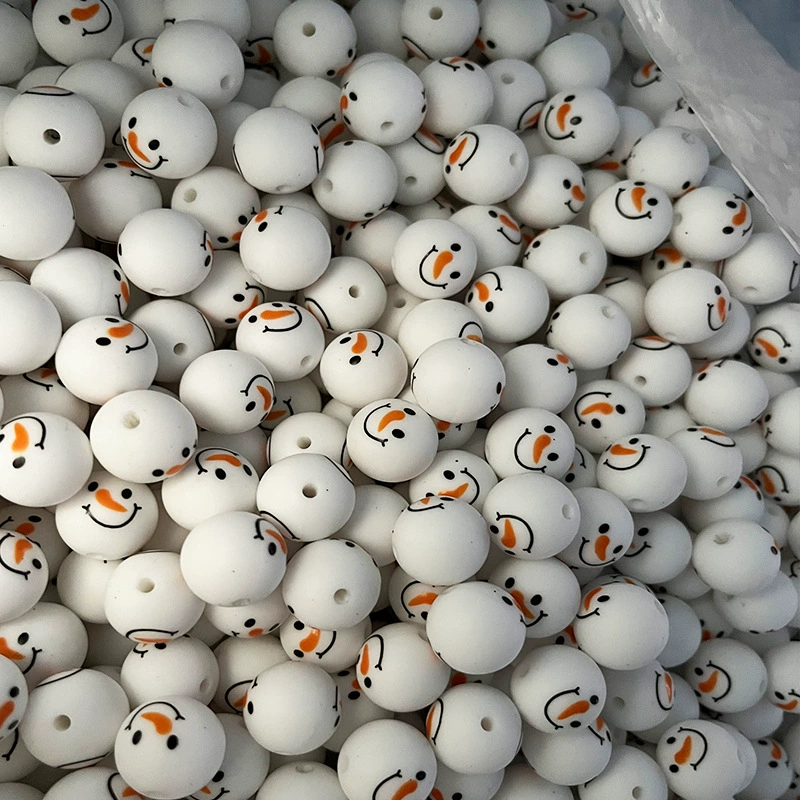
A Guide to Avoiding Pitfalls when Choosing Silicone Beads
Essential Tips to Avoid Common Pitfalls When Buying Silicone Beads
Silicone beads are popular for crafting, jewelry-making, and practical accessories due to their flexibility, safety, and vibrant colors. However, not all silicone beads are created equal. Poor-quality beads can break easily, fade, or even pose health risks. To ensure you make the right choice, here’s a detailed guide to avoiding common mistakes during your purchase.
Misjudging Material Quality and Safety Standards
One of the biggest mistakes buyers make is overlooking the material composition of silicone beads. Low-grade silicone often contains fillers, plasticizers, or toxic chemicals that compromise durability and safety.
Signs of inferior material:
- Strong chemical odor: High-quality silicone beads should have little to no smell. A pungent odor indicates the presence of harmful additives.
- Discoloration or fading: Rub the beads with a damp cloth. If the color transfers or fades quickly, the dye used is likely low-quality and prone to washing out.
- Brittleness: Gently bend the beads. If they crack or snap easily, they’re made from cheap silicone that won’t withstand regular use.
Why safety matters:
Beads used in children’s toys, pacifier clips, or food-related accessories must meet strict safety standards. Always verify certifications like FDA compliance, EN 71-3 (for heavy metal limits), and RoHS (restricting hazardous substances).
Overlooking Hole Size and Consistency
The functionality of silicone beads heavily depends on their hole size and uniformity. Inconsistent holes can lead to frustration during crafting, as beads may not fit onto cords, wires, or findings properly.
Common issues with hole size:
- Too small: Beads with undersized holes may not thread onto standard cords, forcing you to use thinner materials or modify the beads.
- Too large: Oversized holes can make beads slide uncontrollably on cords, especially in jewelry projects where precision is key.
- Irregular shapes: Holes that are off-center or unevenly drilled can cause beads to hang awkwardly or sit unevenly in designs.
How to test hole consistency:
Before purchasing, request a sample or inspect beads closely if buying in person. Thread a cord through several beads to check for smooth movement and alignment.
Ignoring Colorfastness and Light Resistance
Silicone beads are often exposed to sunlight, water, or cleaning agents, which can cause colors to fade or bleed if they’re not properly treated. This is especially important for outdoor decor, children’s items, or accessories that will be washed frequently.
Factors affecting color durability:
- UV exposure: Beads left in direct sunlight may fade over time. Look for options labeled “UV-resistant” if your project will be outdoors.
- Water exposure: Submerge beads in water for 24 hours to test for color bleeding. This is crucial for items like bath toys or drinkware charms.
- Cleaning agents: Harsh soaps or alcohol-based cleaners can strip colors from low-quality beads. Opt for beads that withstand gentle cleaning without losing vibrancy.
Practical tip:
If you’re unsure about a bead’s colorfastness, perform a spot test by rubbing a small area with a damp cloth or exposing it to sunlight for a short period.
Choosing Suppliers Without Verifying Reputation and Reviews
The supplier you buy from plays a significant role in the quality of your silicone beads. Unreliable suppliers may misrepresent product specifications, send defective items, or lack proper safety certifications.
Red flags to watch for:
- No return policy: A supplier unwilling to accept returns or offer refunds may be hiding quality issues.
- Vague product descriptions: Avoid listings that lack details about material, safety standards, or intended use.
- Negative reviews: Check online forums or marketplaces for feedback from other buyers. Multiple complaints about broken beads, fading colors, or missing certifications are warning signs.
How to vet suppliers:
- Ask for certification documents or links to safety reports.
- Request samples before placing bulk orders to test quality firsthand.
- Look for suppliers with transparent communication and responsive customer service.
Failing to Consider Project-Specific Requirements
Not all silicone beads are suitable for every application. Using the wrong type can lead to functional failures or safety hazards. For example, beads meant for jewelry may not hold up as keychain charms, and vice versa.
Project-specific considerations:
- Load-bearing capacity: If beads will support weight (e.g., in bag straps or pull tabs), choose options with high tensile strength to prevent snapping.
- Temperature resistance: Beads used near heat sources (e.g., oven mitts or car accessories) should withstand high temperatures without melting or warping.
- Skin sensitivity: For items like bracelets or headbands, ensure beads are hypoallergenic and free from irritants that could cause rashes or discomfort.
Example scenario:
A bead that works perfectly for a lightweight necklace might not be strong enough for a dog collar attachment. Always match the bead’s durability to its intended use.
By avoiding these common pitfalls—from material quality and hole consistency to supplier reputation and project-specific needs—you can confidently purchase silicone beads that are safe, durable, and fit for purpose. Whether you’re crafting for personal use or creating items to sell, these tips will help you make smarter choices and achieve better results.



Leave a reply