


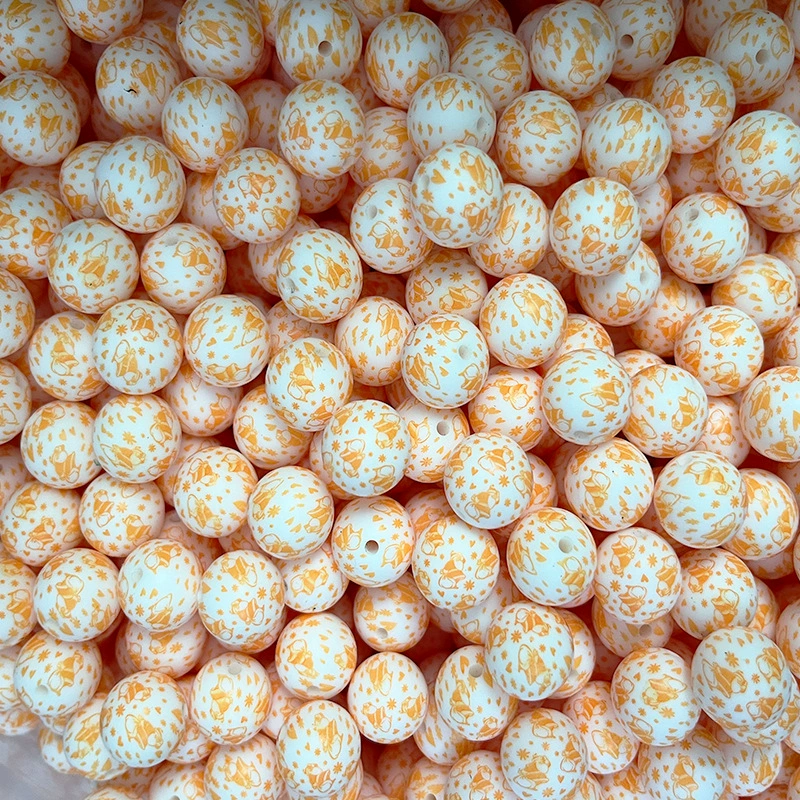
Application scenarios of low-temperature resistant silicone beads
Exploring the Applications of Low-Temperature Silicone Beads in Challenging Environments
Low-temperature silicone beads are engineered to maintain flexibility and functionality in cold conditions where standard materials become brittle or fail. These specialized components are designed to resist cracking, shrinking, or losing elasticity when exposed to sub-zero temperatures, making them ideal for industries that operate in extreme climates or require reliable performance in refrigerated settings. Below, we delve into their key properties and diverse use cases across sectors.
Key Properties Enabling Cold-Weather Performance
The ability of silicone beads to withstand low temperatures stems from their unique molecular structure. Unlike traditional rubbers, which harden as temperatures drop, silicone’s silicon-oxygen backbone remains pliable due to its low glass transition temperature (Tg). This inherent flexibility allows silicone beads to deform without fracturing, even at temperatures as low as -60°C (-76°F) in some formulations.
Additionally, low-temperature silicone beads are often reinforced with additives like silicone oils or plasticizers to enhance their cold-flow resistance. These modifiers prevent the material from becoming overly stiff or losing its sealing capabilities, ensuring consistent performance across a wide thermal range.
Industrial Applications in Cold Storage and Processing
Refrigeration and HVAC Systems
Silicone beads are widely used in gaskets and seals for commercial refrigerators, freezers, and cold rooms. Their ability to remain supple at -40°C (-40°F) ensures airtight closures, preventing energy loss and maintaining stable internal temperatures. For example, a walk-in freezer door seal made from low-temperature silicone will not crack or deform, even after years of daily use in sub-zero conditions.
In HVAC systems, silicone beads serve as vibration dampeners for compressors operating in cold climates. Their flexibility reduces noise and wear while preventing leaks in refrigerant lines, which could otherwise freeze and cause system failures.
Food and Beverage Industry
The food processing sector relies on low-temperature silicone beads for equipment that handles frozen or chilled products. Conveyor belts, mixing paddles, and storage containers often incorporate silicone components to avoid contamination risks associated with brittle materials. A silicone bead lining a frozen yogurt dispenser, for instance, ensures smooth operation without cracking when exposed to temperatures below -18°C (0°F).
Similarly, silicone beads are used in cryogenic storage tanks for liquids like liquid nitrogen or CO2. Their resistance to thermal shock allows them to seal joints and valves without failing, even during rapid temperature changes.
Aerospace and Outdoor Equipment
Aerospace Components
Aircraft and spacecraft operating in polar regions or at high altitudes encounter temperatures far below freezing. Low-temperature silicone beads are used in fuel system seals, hydraulic connectors, and environmental control units to prevent leaks and maintain functionality. For example, a silicone bead in an aircraft’s fuel line seal must remain flexible at -55°C (-67°F) to ensure safe fuel flow during flight.
Outdoor and Winter Sports Gear
Silicone beads are integral to equipment designed for cold-weather activities. Ski bindings, snowboard bindings, and ice climbing tools often feature silicone components to enhance grip and durability. A silicone bead in a ski boot’s closure system, for instance, provides a secure fit without stiffening in freezing temperatures, improving safety and comfort for users.
In winter clothing, silicone beads are used in waterproof zippers and sealants to prevent moisture ingress. Their ability to remain pliable at -30°C (-22°F) ensures that jackets and pants stay dry during prolonged exposure to snow and ice.
Medical and Scientific Applications
Cryogenic Storage and Lab Equipment
Laboratories and medical facilities use low-temperature silicone beads in cryogenic vials, test tubes, and storage containers. These beads act as shock absorbers or seals, protecting samples from damage during freezing or thawing cycles. A silicone bead in a cryogenic tube’s cap, for example, prevents leaks while maintaining flexibility at -196°C (-320°F), the temperature of liquid nitrogen.
Prosthetics and Orthotics
Silicone beads are employed in prosthetic liners and orthotic devices to improve comfort and fit in cold environments. Their softness at low temperatures reduces skin irritation and ensures a secure attachment, even when worn outdoors in winter. A silicone bead in a prosthetic socket, for instance, adapts to the user’s limb shape without becoming rigid in cold weather.
Challenges and Considerations for Low-Temperature Use
Despite their resilience, low-temperature silicone beads face challenges in extreme conditions:
- Thermal Cycling: Repeated freezing and thawing can cause micro-cracks over time, reducing seal integrity.
- Chemical Exposure: Certain fluids, such as alcohols or oils, may degrade silicone at low temperatures, necessitating specialized formulations.
- UV Resistance: Prolonged exposure to sunlight in cold climates can accelerate aging, requiring UV-stabilized additives.
To address these issues, engineers often select silicone beads with enhanced durability or combine them with protective coatings. For example, a silicone bead used in an arctic research vessel’s hatch seal might be treated with a UV-resistant layer to extend its lifespan.
Innovations in Low-Temperature Silicone Technology
Researchers are continuously improving silicone’s cold-weather performance through advanced material designs:
- Nanocomposite Silicone: Incorporating nanoparticles like silica or clay enhances mechanical strength without sacrificing flexibility at low temperatures.
- Fluorosilicone Blends: These variants offer improved chemical resistance, making them suitable for harsh environments like oil rigs or chemical plants.
- Self-Lubricating Coatings: Some silicone beads now feature hydrophobic or lubricious surfaces to reduce friction in cold, dry conditions, improving their functionality in moving parts.
Conclusion
Low-temperature silicone beads provide a reliable solution for industries and applications where standard materials fail in cold environments. Their ability to maintain flexibility, seal effectively, and resist thermal shock makes them indispensable in refrigeration, aerospace, medical, and outdoor sectors. As material science advances, these beads will continue to evolve, meeting the demands of even more extreme conditions while ensuring safety and efficiency.





Leave a reply