


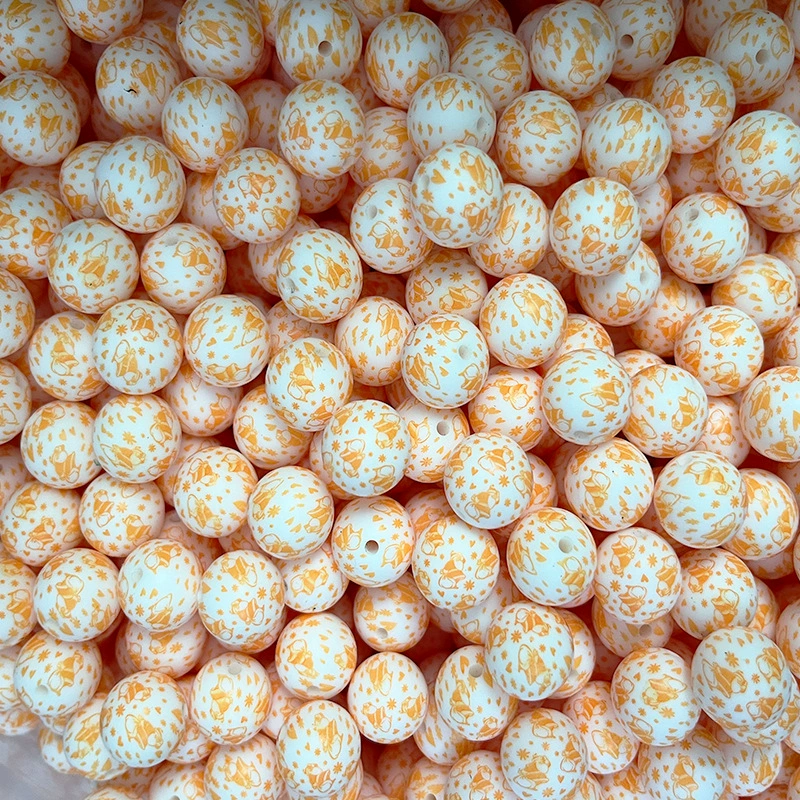
Characteristics of camouflage silicone bead patterns
The Visual Appeal of Camouflage Silicone Beads: Patterns, Designs, and Applications
Camouflage silicone beads combine functional durability with visually striking designs, making them popular in crafting, jewelry-making, and sensory toys. Their patterns draw inspiration from military aesthetics but adapt to modern creative needs through unique color blends and textures. Below, we explore their defining characteristics, design variations, and practical uses.
Earth-Toned Color Palettes for Natural Integration
Camouflage silicone beads typically feature muted greens, browns, tans, and grays, mimicking forest, desert, or urban environments. These colors are carefully balanced to avoid overwhelming brightness while maintaining enough contrast for visual interest. For example, a bead might combine olive green with sandy beige and dark brown, creating a layered effect that shifts under different lighting conditions.
Some designs incorporate subtle variations, such as speckled patterns or gradient transitions between shades. These details enhance depth, making each bead appear handcrafted rather than mass-produced. The neutrality of these tones also allows them to blend seamlessly with other materials like wooden beads, metallic accents, or vibrant acrylics, expanding their versatility in mixed-media projects.
Dynamic Pattern Structures for Visual Complexity
Unlike solid-color beads, camouflage silicone beads often feature irregular, organic patterns. These designs avoid rigid symmetry, instead opting for asymmetrical splotches or streaks that replicate natural camouflage. For instance, a bead might have a central cluster of dark green surrounded by lighter tan, with thin brown lines radiating outward to mimic foliage shadows.
Another common approach is the “digital camouflage” style, which uses pixelated shapes in varying sizes. This modern twist adds a contemporary edge to traditional patterns, appealing to crafters seeking a balance between classic and trendy aesthetics. The irregularity of these patterns ensures no two beads are identical, adding uniqueness to handmade jewelry or decorative items.
Textural Variations for Tactile Engagement
Silicone’s inherent flexibility allows for textured surfaces that enhance both visual and sensory appeal. Some camouflage beads feature raised patterns, such as small bumps or ridges, which create shadows and highlights when light hits them. These textures not only add depth to the design but also provide a tactile experience, making the beads suitable for sensory toys or fidget jewelry.
Other beads might have a matte finish to soften their appearance, while glossy coatings amplify color vibrancy. The choice of texture depends on the intended use: matte finishes work well for subtle, understated designs, while glossy beads stand out in bold, eye-catching creations. This duality makes camouflage silicone beads adaptable to various styles, from minimalist to eclectic.
Practical Applications Across Industries
The combination of durability and aesthetic flexibility makes camouflage silicone beads ideal for multiple applications. In jewelry-making, they add a rugged, outdoor-inspired touch to bracelets, necklaces, and keychains. Their lightweight nature ensures comfort during prolonged wear, while their water-resistant properties make them suitable for everyday use.
Crafters often use these beads in DIY projects like pen decorations, bag charms, or home decor items such as curtain tiebacks or plant hangers. The earthy tones complement natural materials like jute, leather, or driftwood, creating cohesive, nature-themed designs. Additionally, their safety certifications—such as being BPA-free and non-toxic—make them popular for children’s toys, where both aesthetics and functionality are critical.
Customization Potential for Personalized Creations
One of the most appealing aspects of camouflage silicone beads is their customizability. Crafters can request specific color combinations or pattern densities to match their vision. For example, a bead designed for a coastal-themed project might emphasize blues and grays, while a forest-inspired piece could prioritize greens and browns.
Some manufacturers even offer dual-color or multi-layered beads, where different camouflage patterns are molded together to create a 3D effect. This level of customization allows artists to push creative boundaries, experimenting with unconventional pairings or thematic designs that reflect personal interests or cultural influences.
Camouflage silicone beads are more than just decorative elements—they are a fusion of artistry and functionality. Their earthy color palettes, dynamic patterns, and textural diversity make them a favorite among crafters and designers seeking to add depth and character to their work. Whether used in jewelry, toys, or home decor, these beads offer endless possibilities for creative expression.

Leave a reply