


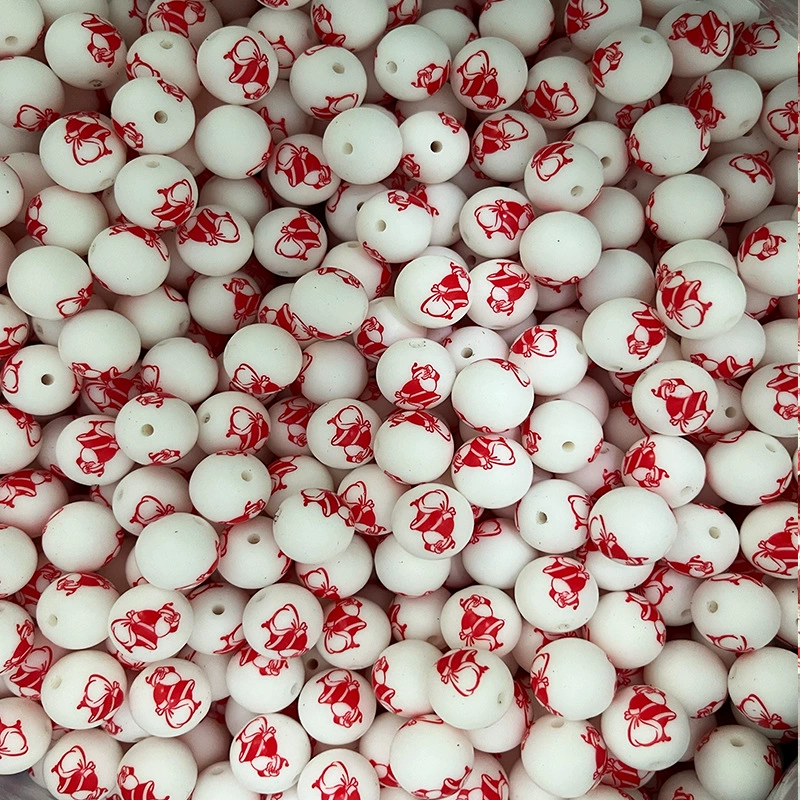
DIY Tutorial on Silicone bead Keychains
How to Make a Silica Gel Bead Keychain: A Creative DIY Guide
Silica gel beads are lightweight, colorful, and perfect for crafting personalized keychains. These small accessories add a touch of fun to your keys, bags, or backpacks while showcasing your creativity. Whether you’re new to DIY projects or an experienced crafter, this step-by-step guide will help you design and assemble a unique silica gel bead keychain from scratch.
Choosing Your Materials and tools
Selecting Silica Gel Beads
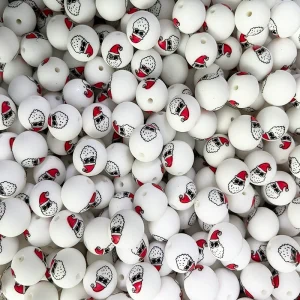
Silica gel beads come in various shapes, sizes, and colors, allowing endless customization options. For keychains, consider using 8–12mm beads for a balanced look, or mix smaller and larger beads for texture. Popular shapes include spheres, cubes, hearts, and stars. Choose a color scheme that matches your style—pastels for a soft vibe, neon hues for a playful touch, or metallic finishes for elegance. Ensure the beads are clean and free of dust before starting.
Picking the Right Keychain Hardware
The hardware you select will determine the durability and functionality of your keychain. Common options include:
- Split rings: Small metal rings that attach to your keys.
- Lobster clasps: Easy-to-open clasps that let you swap keychains quickly.
- Keychain rings: Larger rings that hold multiple items like keys or charms.
- Cord or chain: For a beaded keychain, choose a sturdy cord (like nylon or leather) or a thin metal chain.
Essential Tools for Assembly
You’ll need a few basic tools to make the process smoother:
- Scissors: For cutting cord or thread.
- Pliers: To open and close split rings or clasps.
- Needle-nose pliers: Helpful for manipulating small hardware.
- Tape or clipboard: To hold the cord steady while threading beads.
- Optional: A beading needle (for stiff cords) or a hole punch (if using leather).
Designing Your Keychain Pattern
Planning a Simple Single-Strand Design
A single-strand keychain is quick to make and perfect for beginners.
- Decide on a pattern: Will you use alternating colors, a repeating shape, or a random arrangement? Lay out beads on a flat surface to visualize the design before threading.
- Measure the cord: Cut a piece of cord or chain long enough to hold your beads and attach to the keychain hardware. For most designs, 6–8 inches is sufficient.
- Secure the cord: Tape one end to a table or use a clipboard to keep it steady while you work.
Creating a Multi-Strand or Layered Keychain
For a more intricate look, combine multiple strands.
- Weave each strand separately: Use the same or different patterns for each cord. For example, one strand could feature solid-colored beads, while another uses mixed shapes.
- Vary the lengths: Cut each cord 1–2 inches shorter than the previous one to create a layered effect when the keychain hangs.
- Attach all strands together: Use a jump ring or a large bead to connect the ends of all cords before adding the keychain hardware.
Adding Spacers or Charms for Visual Interest
Spacers (tiny beads or metal discs) and charms can elevate your keychain’s design.
- Place spacers strategically: Insert a spacer between every few beads to create definition. For example, use a silver spacer after every three colored beads.
- Attach charms: Thread a jump ring through the charm’s loop and onto the cord before adding beads. Position it at the center for a focal point or near the hardware for a subtle accent.
- Secure firmly: Ensure spacers and charms are tightly threaded to prevent shifting during use.
Assembling the Keychain Step by Step
Threading Beads onto the Cord
- Start at one end: If using a split ring or clasp, attach it to one end of the cord with a secure knot (or use a crimp bead for metal chains).
- Add beads in sequence: Follow your chosen pattern, sliding each bead onto the cord. If the beads are small or the cord is stiff, use a beading needle to guide it through.
- Check tension: Pull the cord gently after each bead to keep the design even. Avoid overtightening, which can warp the pattern.
Attaching the Keychain Hardware
- For cord with split rings: Once all beads are threaded, tie a double knot at the other end of the cord. Slide a split ring onto the knot and pull tight to secure it. Trim excess cord.
- For metal chains: Use pliers to open a jump ring, thread it through the last bead or link, and attach it to a lobster clasp or keychain ring. Close the jump ring firmly.
- For layered designs: Gather all strands at the top, thread them through a large bead or jump ring, and attach the hardware as described above.
Reinforcing the Keychain for Durability
To ensure your keychain lasts, add extra security to the attachments.
- Use crimp beads (for chains): If working with metal chain, add a crimp bead near the clasp. Squish it flat with pliers to prevent the chain from unraveling.
- Add a dab of glue (for cords): For nylon or leather cords, apply a small amount of clear glue to the knot before trimming excess cord. This prevents fraying.
- Double-check hardware: Ensure all split rings, clasps, and jump rings are closed tightly to avoid losing beads or keys.
Customizing Your Keychain for Different Styles
Incorporating Themed Beads or Symbols
Make your keychain meaningful by using beads that represent your interests or hobbies.
- Travel theme: Use beads shaped like airplanes, globes, or suitcases.
- Nature theme: Add leaf-shaped beads, floral patterns, or earthy tones.
- Sports theme: Choose beads in your favorite team’s colors or shapes like balls or trophies.
Adjusting the Keychain Size
Keychains can be made in various sizes to suit different purposes.
- Mini keychain: Use fewer beads and a small split ring for a compact design that fits on zipper pulls or pencil cases.
- Standard keychain: Aim for 4–6 inches of beaded length for a balanced look that hangs nicely from keys or bags.
- Statement keychain: Add extra beads, charms, or layers for a bold, eye-catching accessory.
Experimenting with Color Combinations
Play with colors to create a keychain that matches your personality or outfit.
- Monochromatic: Stick to one color family (e.g., shades of blue) for a sleek, cohesive look.
- Complementary colors: Pair hues opposite each other on the color wheel (e.g., orange and blue) for vibrant contrast.
- Rainbow effect: Use beads in every color of the rainbow for a cheerful, playful vibe.
By following these steps, you can craft a silica gel bead keychain that’s both functional and stylish. Whether you prefer simple designs or elaborate creations, the process is easy to customize. Start experimenting with different patterns, colors, and embellishments to make each keychain uniquely yours.



Leave a reply