


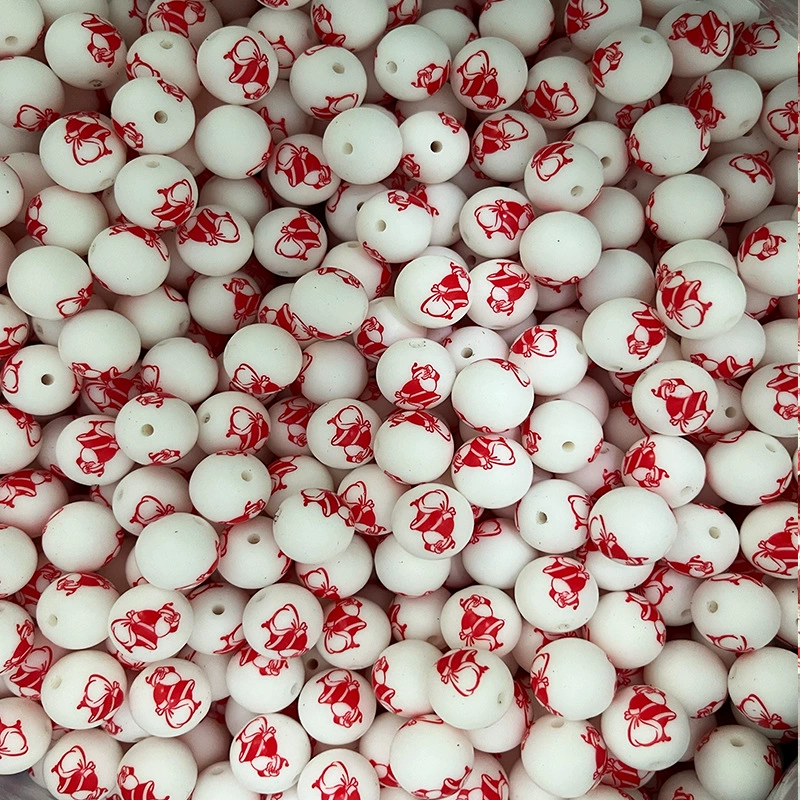
Fixing techniques for coarse-pore silicone beads
Effective Techniques for Securing Macroporous Silica Beads
Macroporous silica beads, with their large pore structures and high surface areas, are widely utilized in various fields such as chromatography, catalysis, and adsorption. Securing these beads properly is crucial to ensure their stability and optimal performance in different applications. Here are some practical techniques for fixing macroporous silica beads effectively.
Selecting the Right Support Material
The choice of support material plays a vital role in the secure fixation of macroporous silica beads. The support should not only provide a stable base but also be compatible with the beads and the intended application environment.
Porous Ceramic or Glass Supports
Porous ceramic or glass supports are excellent options for fixing macroporous silica beads. These materials have a high surface area and can provide ample space for the beads to adhere to. Their porous nature allows for good air and liquid circulation, which is beneficial in applications such as chromatography columns where fluid flow is essential.
When using porous ceramic or glass supports, ensure that the pore size of the support is larger than the diameter of the silica beads to allow for proper embedding. Clean the support surface thoroughly before attaching the beads to remove any dust or contaminants that could interfere with adhesion.
Metal Mesh or Screens
Metal mesh or screens can also be used to secure macroporous silica beads, especially in applications where mechanical strength is required. The mesh provides a rigid framework that can hold the beads in place while allowing fluids to pass through.
Choose a metal mesh with an appropriate mesh size that is smaller than the diameter of the beads to prevent them from falling through. The mesh can be bent or shaped to fit the specific requirements of the application, such as forming a cylindrical or conical shape for use in columns or reactors.
Adhesive Options for Bead Attachment
Selecting the right adhesive is crucial for ensuring a strong and durable bond between the macroporous silica beads and the support material. The adhesive should be compatible with both the beads and the support, and it should withstand the conditions of the application, such as temperature, pressure, and chemical exposure.
Epoxy Resins for Strong and Permanent Bonds
Epoxy resins are known for their excellent adhesive properties and are suitable for creating strong, permanent bonds between macroporous silica beads and various support materials. They offer good chemical resistance and can withstand high temperatures, making them ideal for applications in harsh environments.
When using epoxy resins, mix the two components according to the manufacturer’s instructions to achieve the correct ratio. Apply a thin, even layer of the mixed epoxy to the support surface and then carefully place the beads onto the adhesive. Press the beads gently to ensure good contact and allow the epoxy to cure completely before using the assembly.
Silicone Adhesives for Flexibility and Water Resistance
Silicone adhesives provide a flexible bond that can accommodate some movement or vibration without breaking. They are also water-resistant, making them suitable for applications where the assembly may be exposed to moisture or humidity.
Apply silicone adhesive to the support surface in a thin, continuous line or dot pattern, depending on the size and shape of the beads. Place the beads onto the adhesive and press them down lightly. Allow the silicone to cure for the recommended time, which may vary depending on the type of silicone and environmental conditions.
Mechanical Fixation Methods
In addition to adhesives, mechanical fixation methods can be used to secure macroporous silica beads, especially in applications where a non-permanent or adjustable attachment is desired.
Using Clips or Clamps for Temporary Fixation
Clips or clamps can be used to hold macroporous silica beads in place temporarily. This method is useful when the beads need to be removed or replaced frequently, such as in experimental setups or for cleaning purposes.
Choose clips or clamps that are made of a material that is compatible with the application environment and that can apply sufficient pressure to hold the beads securely without damaging them. Position the clips or clamps around the beads and the support material, ensuring that they are evenly distributed to prevent uneven stress on the beads.
Threading Beads onto Rods or Wires
Threading macroporous silica beads onto rods or wires is another mechanical fixation method that can be used to create a linear arrangement of beads. This method is commonly used in applications such as catalytic reactors or adsorption columns where the beads need to be arranged in a specific order.
Select a rod or wire with a diameter that is slightly smaller than the inner diameter of the beads’ holes to allow for easy threading. Thread the beads onto the rod or wire one by one, ensuring that they are spaced evenly. If necessary, use spacers or washers to maintain the desired spacing between the beads. Once all the beads are threaded, secure the ends of the rod or wire to prevent the beads from sliding off.






Leave a reply