


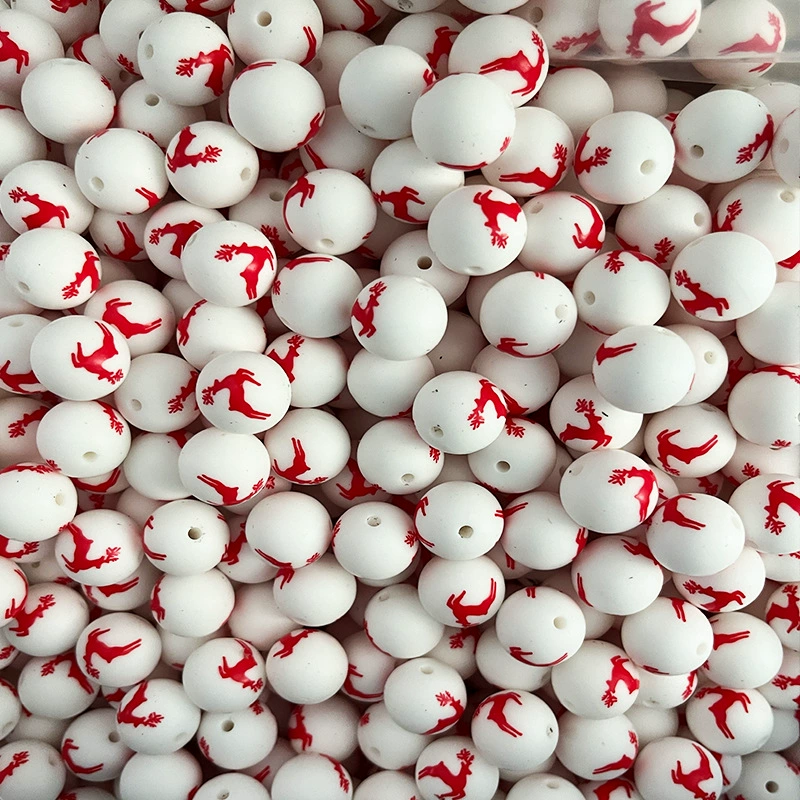
Handmade mold for silicone beads production
Creating Custom Silicone Bead Molds by Hand: A Practical Guide
Silicone beads are versatile components used in jewelry, crafts, and decorative projects. While pre-made molds are widely available, crafting your own allows for unique shapes, sizes, and designs tailored to specific needs. Handmade molds also offer flexibility for prototyping and small-batch production without relying on commercial tools. Below is a step-by-step approach to designing and constructing effective silicone bead molds using accessible materials and techniques.
Designing Your Bead Mold: Key Considerations
Sketching and Planning Shapes
Before diving into mold-making, visualize the desired bead shape. Simple geometric forms like circles, ovals, or teardrops are easiest for beginners, while intricate designs require more advanced planning. Draw multiple views of the bead—top, side, and cross-section—to understand its dimensions and how it will release from the mold.
Pro Tip: Use graph paper or digital design software to ensure proportional accuracy. For symmetrical beads, fold the paper along the centerline and trace half the shape to guarantee balance.
Determining Mold Layout
Decide whether your mold will produce single beads or multiple cavities per cast. Single-cavity molds are straightforward but less efficient for bulk projects. Multi-cavity molds save time but require precise alignment to prevent uneven casting.
Consider the mold’s orientation: horizontal molds (where silicone is poured over a master) work well for flat-backed beads,olds (with cavities drilled into a block) suit rounded or dimensional designs.
Selecting Materials for Master Patterns
The master pattern—the original bead shape used to create the mold—can be crafted from various materials. Clay, polymer clay, or wax are popular choices due to their malleability and ability to hold fine details. For reusable masters, consider carving wood or using 3D-printed models if access to a printer is available.
Material Notes:
- Clay masters should be fully cured or air-dried to avoid shrinkage.
- Polymer clay requires baking according to the manufacturer’s instructions.
- Wax masters can be melted and remolded for adjustments.
Building the Mold Frame: Structures for Stability
Choosing Frame Materials
The mold frame holds the silicone in place during curing and provides structural support. Common frame materials include acrylic sheets, cardboard, or reusable plastic containers. For larger molds, consider using Lego bricks or wooden blocks to create custom-sized frames.
Frame Tips:
- Ensure the frame is slightly larger than the master pattern to accommodate silicone overflow.
- Line the frame with plastic wrap or non-stick spray to simplify demolding.
Assembling the Frame
For a basic two-part mold, place the master pattern on a flat surface and surround it with the frame. Use clay or putty to seal gaps between the master and frame edges, preventing silicone leakage. For more complex designs, create a two-piece frame with a top and bottom half, allowing the master to sit in a recessed cavity.
Advanced Option: Use a hot glue gun to build a temporary frame around the master, then reinforce it with cardboard or tape for added stability.
Adding Registration Keys
Registration keys are small indentations or protrusions on the mold halves that ensure perfect alignment during casting. To create keys, press small beads, coins, or dowel pieces into the clay or putty surrounding the master before the frame is fully assembled. These will leave impressions that guide the mold halves back together later.
Pouring and Curing the Silicone Mold
Preparing the Silicone Mixture
Silicone mold-making compounds typically come in two parts: a base and a catalyst. Mix these components in the correct ratio (usually 1:1 by volume or weight) in a clean container. Stir thoroughly for at least 3–5 minutes to ensure even distribution, scraping the sides and bottom of the container to avoid unmixed pockets.
Safety Note: Work in a well-ventilated area and wear gloves to prevent skin irritation. Some silicone compounds emit fumes during mixing.
Pouring Techniques to Minimize Air Bubbles
Slowly pour the silicone mixture into one corner of the frame, allowing it to flow naturally over the master pattern. Avoid pouring directly onto the master, as this can introduce air bubbles. For deep molds, pour in layers, letting each layer cure slightly before adding the next to reduce trapped air.
Bubble Prevention:
- Use a vacuum chamber or pressurized pot to degas the silicone before pouring (advanced technique).
- Gently tap the frame on a hard surface after pouring to encourage bubbles to rise.
Curing and Demolding
Allow the silicone to cure according to the manufacturer’s instructions, typically 12–24 hours at room temperature. Faster curing times may be possible with heat, but avoid overheating, which can warp the mold. Once cured, carefully remove the frame and separate the mold halves.
Demolding Tips:
- Use a craft knife or X-Acto blade to trim excess silicone from the mold edges.
- If the master is stuck, gently flex the mold or use a release agent like talcum powder to loosen it.
Testing and Refining Your Mold
First Casting Trial
Pour a test material (such as resin, wax, or low-temperature melted metal) into the mold to check for defects. Look for incomplete cavities, trapped air, or rough surfaces. If the bead doesn’t release easily, the mold may need additional release agent or slight adjustments to its shape.
Adjusting for Imperfections
If the first casting reveals issues, refine the mold by:
- Sanding rough edges with fine-grit sandpaper.
- Adding small vents to the mold to allow air escape during casting.
- Recasting the master with minor modifications to improve fit.
Iterative Process: Mold-making often requires multiple adjustments. Keep detailed notes on each test to track improvements.
Maintaining Mold Longevity
Store molds in a cool, dry place away from direct sunlight to prevent degradation. Clean molds after each use with mild soap and water, then dry them thoroughly. Avoid using sharp tools to remove castings, as this can scratch the mold surface and affect future casts.
By following these steps, you can create durable, custom silicone bead molds that open up endless creative possibilities. Whether you’re producing unique jewelry pieces or experimenting with new designs, handmade molds offer the flexibility and precision needed to bring your ideas to life.





Leave a reply