


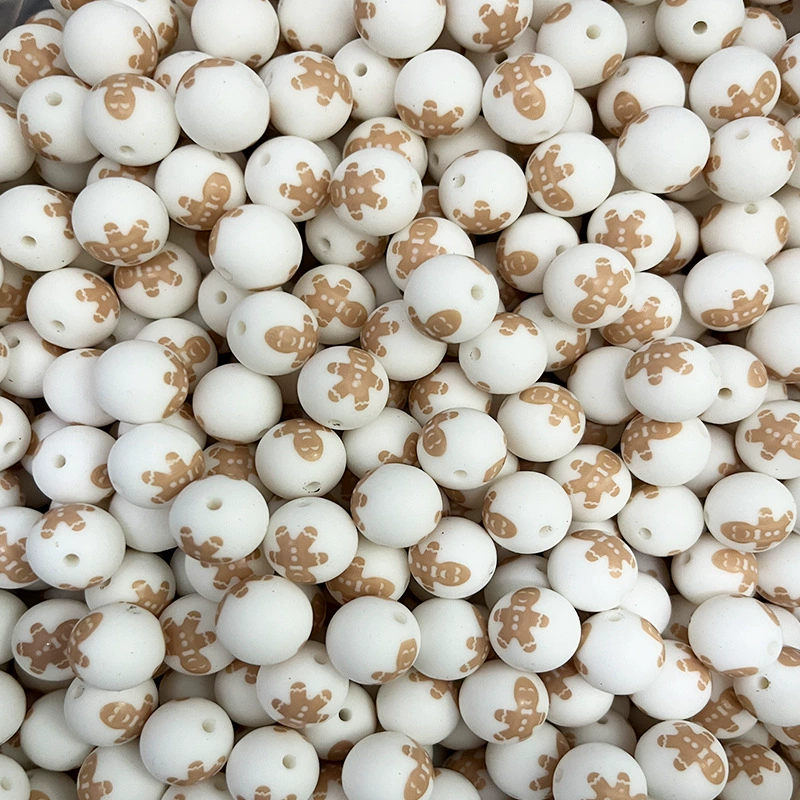
Identification methods for food-grade silicone beads
How to Identify Food-Grade Silicone Beads for DIY Projects
When selecting silicone beads for DIY projects involving food contact, safety and material quality are critical. Food-grade silicone beads are designed to meet strict standards for non-toxicity, durability, and performance. Here’s how to distinguish them from industrial-grade or low-quality alternatives.
Visual and Tactile Inspection
Start by examining the beads’ appearance and texture. Food-grade silicone beads typically have a high level of transparency or a smooth, matte finish, depending on their color. They should feel soft, flexible, and resilient, with no rough edges or inconsistencies. Industrial-grade beads may appear cloudy, have visible impurities, or feel stiff and brittle. Gently stretch a bead—food-grade options will return to their original shape without tearing or leaving white marks, while inferior beads may show signs of stress or cracking.
Odor and Chemical Resistance
Food-grade silicone beads should have no detectable odor, even when warmed or pressed against the nose. A strong chemical smell indicates the presence of additives or low-quality materials that could leach harmful substances. To test chemical resistance, place a bead in a bowl of hot water mixed with a small amount of vinegar or lemon juice (mimicking acidic foods). After 10–15 minutes, check for discoloration, swelling, or a lingering odor. Food-grade beads will remain unchanged, while others may degrade or emit fumes.
Heat and Cold Performance
Food-grade silicone beads are engineered to withstand extreme temperatures without losing their shape or integrity. To test this, freeze a bead for 24 hours, then immediately transfer it to boiling water for 5 minutes. A high-quality bead will remain pliable and intact, while industrial-grade beads may harden, crack, or become sticky. This durability ensures they’re safe for use in hot dishes, cold storage, or even dishwashers.
Certification and Compliance Checks
While certifications vary by region, reputable food-grade silicone beads often adhere to standards like FDA (U.S.), LFGB (Europe), or similar regulations. Look for markings or labels indicating compliance with these standards, though some manufacturers may not print them directly on the beads. If purchasing online or from a supplier, request documentation or test reports confirming the material’s safety for food contact. Avoid beads with vague descriptions like “non-toxic” or “eco-friendly” without verifiable proof.
Long-Term Durability and Aging
Food-grade silicone beads resist yellowing, fading, or becoming brittle over time, even with frequent exposure to sunlight, oils, or cleaning agents. To simulate aging, leave a bead in a sunny windowsill for a week or submerge it in olive oil overnight. High-quality beads will retain their color and texture, while others may discolor, feel greasy, or develop a sticky surface. This test helps ensure the beads won’t degrade during everyday use, posing risks to health or project longevity.
By combining these methods, you can confidently identify food-grade silicone beads suitable for DIY projects involving food contact. Prioritizing safety and quality ensures your creations are both functional and health-conscious.


Leave a reply