


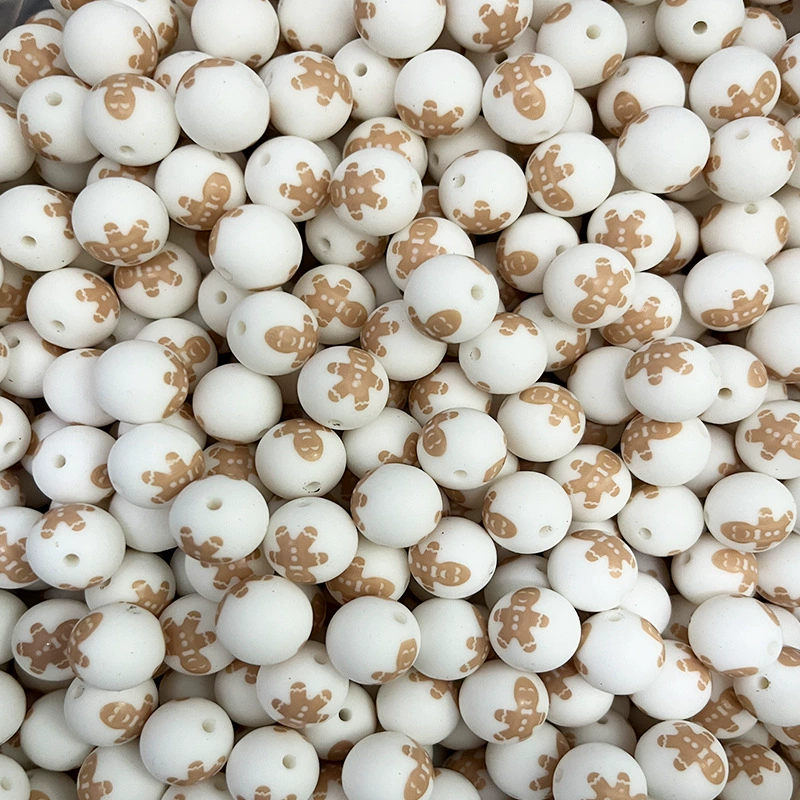
Judgment of the uniformity of the pore size of silicone beads
How to Evaluate Pore Size Uniformity in Silica Gel Beads
Silica gel beads are widely used in applications like chromatography, desiccation, and catalytic processes, where pore size uniformity directly impacts performance. Consistent pore structures ensure efficient fluid flow, uniform adsorption rates, and predictable separation outcomes. Here’s a detailed guide to assessing pore size consistency without specialized equipment.
Visual Inspection Under Magnification
Using a Low-Power Microscope or Hand Lens
Examine a representative sample of beads under 10–50x magnification to spot visible variations in pore size. Place beads on a clean, flat surface and focus on their surfaces or cross-sections if cut open. Uniform beads will display similar pore diameters across multiple specimens, while inconsistent batches show a mix of large and small pores. Rotate beads to check for asymmetry, which may indicate uneven formation during manufacturing.
Comparing Pore Density Across Beads
Count the number of pores visible within a defined area (e.g., a 1mm² section) on several beads. High uniformity means each bead has a comparable pore count and spacing. If some beads appear densely packed with pores while others seem sparse, the batch likely lacks consistency. This method works best for beads with macroporous structures (pores >50nm in diameter).
Physical Testing Methods
Water Absorption Rate Comparison
Pore size uniformity affects how quickly beads absorb moisture. Submerge a small group of beads in distilled water and track their weight gain over time. Beads with uniform pores will absorb water at a near-identical rate, while those with varying pore sizes show inconsistent uptake. For accuracy, use beads of the same initial weight and test them under identical conditions (temperature, humidity).
Air Permeability Test
Pore size influences airflow through a bed of beads. Place beads in a cylindrical container with a fine mesh bottom and blow air through them at a constant pressure. Measure the flow rate using a manometer or flow meter. Uniform beads will allow air to pass at a steady rate, whereas inconsistent pores create turbulence or blockages, causing fluctuations in flow. This test is useful for evaluating beads used in filtration or pneumatic systems.
Manufacturing Process Indicators
Synthesis Method and Conditions
The way silica gel beads are produced affects pore uniformity. Sol-gel processes under controlled temperature and pH levels typically yield more consistent pores than rapid drying methods. Ask suppliers about their synthesis parameters—beads made with slow gelation times and precise aging steps often have narrower pore size distributions. Inconsistent cooling rates or impurities in raw materials can lead to irregular pore formation.
Post-Processing Treatments
Some beads undergo treatments like acid washing or calcination to refine pore structures. These steps can remove debris or smooth pore walls but may also alter sizes if not carefully controlled. For example, over-calcination can collapse small pores, creating a bimodal distribution (a mix of large and tiny pores). Request documentation on post-processing protocols to assess their impact on uniformity.
Application-Specific Uniformity Requirements
Chromatography and Separation Processes
In chromatography, beads with uniform pores ensure consistent retention times for analytes. Test beads by packing a small column and running a standard solution through it. Plot the elution peaks—sharp, symmetrical peaks indicate uniform pores, while broad or split peaks suggest variability. Beads used for size-exclusion chromatography (SEC) are particularly sensitive to pore size distribution, as even minor deviations can skew separation results.
Catalytic and Adsorption Applications
For catalysts or adsorbents, pore uniformity affects reaction efficiency and capacity. Beads with narrow pore size distributions provide more active sites per unit volume, improving performance. Test adsorption capacity by exposing beads to a known concentration of a target molecule (e.g., water vapor for desiccants). Beads with uniform pores will reach equilibrium faster and adsorb similar amounts, while inconsistent beads show staggered uptake rates.
Storage and Handling Effects on Uniformity
Avoiding Moisture and Contamination
Pore structures can degrade if beads absorb moisture or contaminants during storage. Store beads in airtight, desiccated containers to prevent swelling or shrinking of pores due to humidity changes. Exposure to volatile organic compounds (VOCs) or dust can clog pores, altering their effective size. Inspect storage conditions regularly and discard any beads showing signs of clumping or discoloration.
Mechanical Stress and Compression
Rough handling or excessive pressure can deform beads, crushing or elongating pores. Test beads by compressing a small sample between flat plates at a controlled force and measuring dimensional changes. Beads with uniform pores will deform predictably, while those with irregular pores may crack or collapse unevenly. Use padding materials during shipping to minimize mechanical stress.
By combining visual, physical, and manufacturing insights, users can reliably evaluate the pore size uniformity of silica gel beads and select products optimized for their specific applications.





Leave a reply