


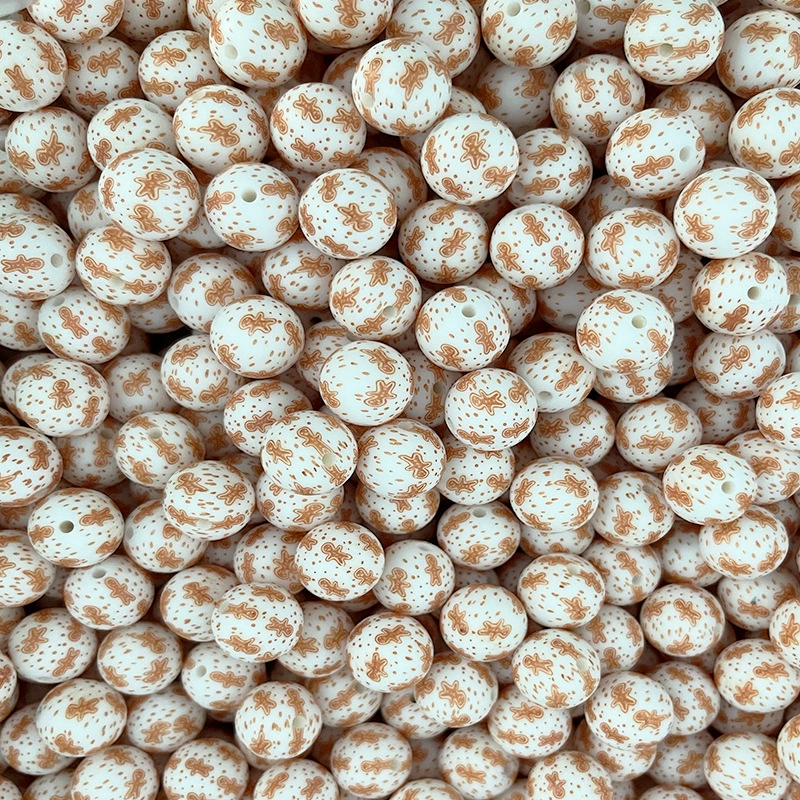
Judgment on the cost-effectiveness of silicone beads
How to Determine the Cost-Effectiveness of Silicone Beads for Your Projects
When selecting silicone beads for creative or practical applications, balancing quality and cost is essential. Cost-effectiveness goes beyond price—it involves evaluating durability, safety, and versatility to ensure long-term value. Here’s how to make informed decisions without compromising on performance.
Assessing Material Quality for Long-Term Durability
The foundation of cost-effectiveness lies in material quality. High-grade silicone beads resist wear, tear, and environmental damage, reducing the need for frequent replacements.
Key indicators of quality:
- Flexibility and resilience: Gently stretch the beads to test their elasticity. Premium silicone springs back without deformation, while inferior materials may sag or crack.
- Heat and cold resistance: Silicone beads used in outdoor or high-temperature environments (e.g., keychains, cookware accessories) should maintain their shape in extreme conditions.
- Colorfastness: Rub the beads with a damp cloth to check for dye transfer. Fading or bleeding colors indicate low-quality pigments that may degrade over time.
Why it matters:
Investing in durable beads minimizes waste and replacement costs, making them ideal for high-use items like jewelry, pet toys, or stress-relief products.
Verifying Safety Certifications for Health and Environmental Standards
Safety is non-negotiable, especially for beads that come into contact with skin, food, or children. Certifications ensure compliance with global health and environmental regulations.
Critical certifications to look for:
- FDA compliance: Mandatory for beads used in food-related applications (e.g., cupcake toppers, bottle accessories).
- EN 71-3: Ensures beads are free from toxic heavy metals like lead and cadmium, making them safe for toys and childcare products.
- RoHS certification: Restricts hazardous substances such as mercury and phthalates, protecting both users and the environment.
Action step:
Request certification documents from suppliers or check product listings for compliance badges. Avoid beads with vague safety claims or no documentation.
Evaluating Design Versatility for Multiple Applications
Cost-effective silicone beads should adapt to diverse projects, maximizing their utility. Versatile designs reduce the need to purchase multiple types of beads, saving money and storage space.
Features that enhance versatility:
- Uniform hole size: Consistent holes allow beads to fit standard cords, wires, or findings, enabling seamless integration into jewelry, accessories, or DIY crafts.
- Neutral colors: Beads in black, white, or transparent hues complement any color scheme, making them suitable for resale or gift items.
- Mixed shapes: Suppliers offering beads in varied shapes (e.g., rounds, cubes, stars) at competitive bulk rates provide creative flexibility without overspending.
Practical example:
A pack of multi-shaped, neutrally colored beads can be used to create bracelets, keychains, and decorative accents, offering better value than single-purpose beads.
Comparing Supplier Reliability and Production Standards
The supplier’s reputation and production processes directly impact bead quality and consistency. Partnering with reliable suppliers reduces the risk of receiving defective or non-compliant products.
Factors to consider:
- Production environment: Reputable suppliers use clean, controlled facilities to minimize contamination and defects. Ask for photos or videos of their workspace.
- Quality control checks: Inquire about inspection processes, such as post-production sorting or random sampling, to ensure beads meet specifications.
- Return policies: A supplier willing to replace faulty beads or offer refunds demonstrates confidence in their product quality.
Red flag:
Suppliers offering unusually low prices may cut corners on materials or testing, leading to inconsistent sizing, weak holes, or safety risks.
Testing Beads for Practical Performance
Before committing to bulk orders, evaluate beads through hands-on testing to confirm they meet your project’s demands.
Simple tests to conduct:
- Abrasion resistance: Rub beads against a rough surface (e.g., sandpaper) to simulate wear. High-quality beads should show minimal scuffing.
- Water resistance: Submerge beads in water for 24 hours to check for color bleeding, swelling, or odor changes.
- Tensile strength: Hang weights from beads to test their load-bearing capacity. This is crucial for applications like bag charms or pull tabs.
Pro tip:
Order sample packs from multiple suppliers to compare performance side-by-side, ensuring you select the most durable and functional option.
By prioritizing material quality, safety, versatility, supplier reliability, and practical testing, you can confidently determine the cost-effectiveness of silicone beads. This approach ensures your projects are both budget-friendly and built to last, whether you’re crafting for personal use, resale, or gifting.


Leave a reply