


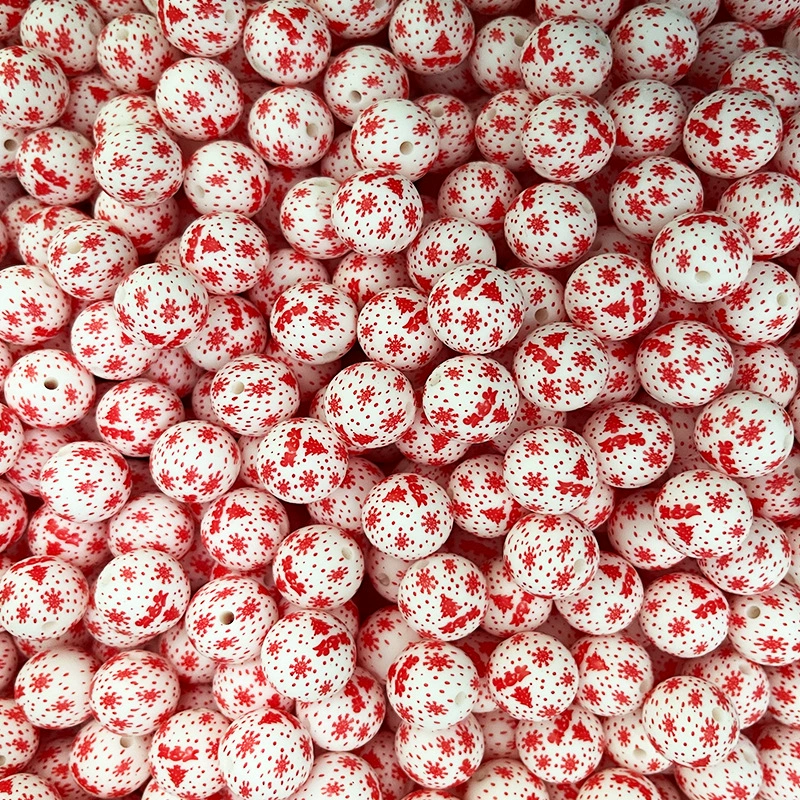
Safety features of food-grade silicone beads
Safety Features of Food-Grade Silica Gel Beads: A Comprehensive Guide
Food-grade silica gel beads are widely used in packaging, storage, and preservation across industries, particularly in food and pharmaceuticals. Their safety profile stems from rigorous regulatory compliance, chemical stability, and physical properties designed to prevent contamination. Below, we explore the key safety features that make these desiccants suitable for sensitive applications.
Non-Toxicity and Chemical Inertness
Food-grade silica gel is a purified form of amorphous silica (SiO₂), engineered to be chemically inert and non-reactive. Regulatory bodies like the U.S. Food and Drug Administration (FDA) classify it as Generally Recognized as Safe (GRAS) for indirect contact with food. This means it does not leach harmful substances, alter flavors, or compromise product integrity. Unlike industrial-grade alternatives, food-grade variants avoid additives like cobalt chloride, a compound linked to health risks in some indicating silica gels.
Stability Under Normal Conditions
Silica gel beads remain stable when stored in cool, dry environments away from extreme heat or incompatible materials such as strong acids. Their high melting point (1710°C) and resistance to decomposition under normal processing conditions further reduce risks. Even when saturated with moisture, they do not produce hazardous byproducts, ensuring safety throughout their lifecycle.
Low Risk of Contamination
The packaging material enclosing silica gel beads is equally critical. Food-grade packets are made from porous, durable, and dust-free materials approved for direct contact with consumables. This design prevents leakage of beads or dust, minimizing ingestion hazards. While accidental ingestion of a small number of beads is unlikely to cause harm, manufacturers prioritize child-resistant and tamper-evident packaging to enhance safety.
Moisture Control and Microbial Inhibition
One of the primary safety benefits of food-grade silica gel beads lies in their ability to create a low-humidity environment. By adsorbing ambient moisture, they inhibit the growth of bacteria, molds, and yeasts—common culprits in food spoilage. This extends shelf life and reduces waste, aligning with global food safety standards.
Applications in Sensitive Products
Silica gel beads are commonly found in packaging for spices, dried herbs, supplements, and pharmaceuticals. Their non-toxic nature ensures they do not interact with active ingredients or degrade product quality. For example, in vitamin storage, they prevent clumping caused by humidity without altering potency. Similarly, in snack packaging, they maintain crispness by balancing moisture levels.
Indicating Variants for Safe Monitoring
Some food-grade silica gels incorporate color-changing indicators (e.g., orange-to-green beads) to signal saturation. These indicators use safe, non-toxic dyes that comply with food safety regulations. Users can visually monitor the beads’ effectiveness and replace them when needed, ensuring continuous protection without contamination risks.
Safe Handling and Disposal Practices
While food-grade silica gel beads are safe for their intended use, proper handling and disposal are essential to maintain safety.
Avoiding Inhalation and Ingestion
Though non-toxic, inhaling large quantities of silica dust or swallowing beads may cause mild discomfort, such as throat irritation or choking, especially in children. Manufacturers recommend storing beads in sealed packets and keeping them out of reach of young children. If ingestion occurs, medical advice should be sought, though serious harm is rare.
Recharging and Reusability
Certain food-grade silica gel beads can be “recharged” by heating them in an oven to remove adsorbed moisture. This process, typically done at temperatures below 200°C, restores their effectiveness without compromising safety. However, users must follow guidelines to avoid overheating, which could degrade the beads or release trace compounds.
Environmental Considerations
Disposal of silica gel beads should align with local regulations. While they are not classified as hazardous waste, recycling or repurposing them (e.g., for drying flowers or protecting tools from rust) can reduce environmental impact. Some municipalities accept silica gel in composting programs, though checking local guidelines is advised.
Conclusion
Food-grade silica gel beads offer a robust safety profile, combining non-toxicity, chemical stability, and effective moisture control. Their approval by global regulatory agencies and compatibility with sensitive products make them indispensable in preserving quality and extending shelf life. By adhering to proper handling and storage practices, users can leverage these desiccants without compromising safety or environmental health.

Leave a reply