


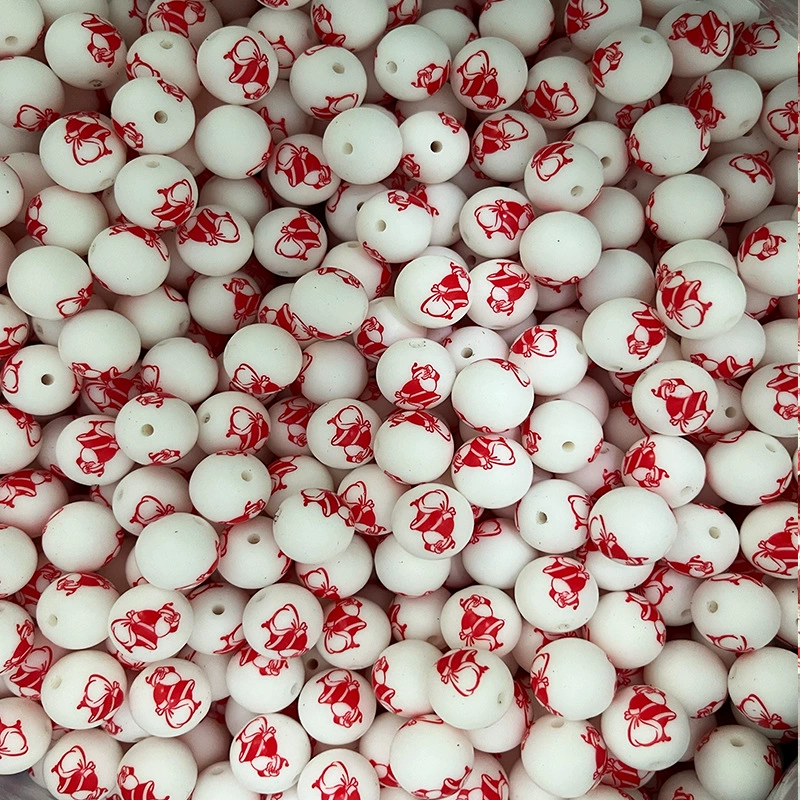
Safety standards for odorless silicone beads
Safety Standards for Odorless Silicone Beads
Odorless silicone beads are widely used in food packaging, medical devices, and consumer products due to their non-toxic, heat-resistant, and chemically stable properties. To ensure their safety, manufacturers and regulatory bodies have established stringent standards covering material composition, production processes, and performance testing. Below are the key safety criteria these beads must meet.
Material Composition Requirements
Non-Toxic Raw Materials
Silicone beads must be manufactured using food-grade or medical-grade silicone polymers, which are derived from silica (SiO₂) and do not contain harmful substances like phthalates, bisphenol A (BPA), or heavy metals. For example, the chemical formula for silicone, mSiO₂·nH₂O, indicates its inert nature, as it does not react with most substances except strong alkalis or hydrofluoric acid. This stability ensures no toxic byproducts are released during use.
Additive Restrictions
Any additives used in the production process, such as colorants or stabilizers, must comply with safety regulations. For instance, pigments must be non-migratory and resistant to leaching under high temperatures or humidity. Inorganic pigments like iron oxide or titanium dioxide are preferred over organic ones, as they are less likely to degrade and contaminate the surrounding environment.
Production Process Controls
Clean Manufacturing Environment
The production of odorless silicone beads requires a controlled environment to prevent contamination. Facilities must adhere to Good Manufacturing Practices (GMP), ensuring cleanliness and proper ventilation. For example, silicone beads used in medical applications are often produced in ISO Class 7 or higher cleanrooms to minimize microbial or particulate contamination.
Curing and Post-Processing
The vulcanization (curing) process must be carefully monitored to ensure complete cross-linking of silicone chains. Under-curing can lead to residual monomers or low-molecular-weight siloxanes, which may pose health risks. Over-curing, on the other hand, can weaken the material’s mechanical properties. Manufacturers typically use thermal analysis techniques like Differential Scanning Calorimetry (DSC) to optimize curing temperatures and times.
Performance and Safety Testing
Physical and Mechanical Tests
Silicone beads must undergo rigorous testing to verify their durability and safety. Common tests include:
- Tensile Strength and Elongation: Ensures the beads can withstand stretching without breaking.
- Hardness (Shore A Scale): Measures the material’s resistance to indentation, which affects its suitability for specific applications.
- Abrasion Resistance: Evaluates how well the beads resist wear from friction or repeated contact.
For example, silicone beads used in vibrating screens must maintain their shape and elasticity after thousands of impact cycles to prevent contamination of processed materials.
Chemical Resistance Tests
The beads must resist degradation when exposed to common chemicals like acids, bases, and solvents. For instance, silicone beads used in laboratory equipment must remain stable when in contact with ethanol or diluted hydrochloric acid. Testing involves immersing samples in these substances for a specified period and checking for changes in weight, color, or surface texture.
Thermal Stability Tests
Silicone beads must function within a defined temperature range without melting, cracking, or releasing toxic gases. For food-grade applications, the beads are often tested at temperatures ranging from -40°C to 250°C to simulate freezing and baking conditions. Medical-grade beads may undergo even stricter testing, such as autoclaving (steam sterilization at 121°C for 15–30 minutes).
Regulatory Compliance and Certifications
International Standards
Odorless silicone beads must comply with global safety regulations to enter international markets. Key standards include:
- FDA 21 CFR 177.2600: Governs silicone materials used in food contact applications in the United States.
- EU Regulation EC 1935/2004: Sets requirements for materials and articles intended to come into contact with food in the European Union.
- ISO 10993: Provides guidelines for the biological evaluation of medical devices, ensuring silicone beads used in healthcare are biocompatible.
National Certifications
In addition to international standards, manufacturers may seek national certifications to demonstrate compliance with local regulations. For example, China’s GB 4806.11-2016 specifies safety requirements for food-contact silicone rubber materials, including limits on heavy metal content and migration testing.
Application-Specific Safety Considerations
Food Contact Applications
Silicone beads used in food packaging or kitchenware must pass migration tests to ensure no harmful substances transfer to food. These tests simulate real-world conditions by exposing the beads to fatty or acidic foods at elevated temperatures. For example, a bead used in a baby bottle nipple must not release more than a specified amount of siloxanes into milk over a 24-hour period.
Medical Applications
For medical devices like catheter balloons or implantable components, silicone beads must undergo additional testing for biocompatibility. This includes cytotoxicity tests, sensitization studies, and hemocompatibility evaluations to ensure they do not cause adverse reactions when in contact with human tissues or blood.
Industrial Uses
In industrial settings, such as chemical processing or automotive manufacturing, silicone beads must resist degradation from oils, fuels, and extreme temperatures. For example, beads used in engine seals must maintain their elasticity after prolonged exposure to hot engine oil.
By adhering to these comprehensive safety standards, manufacturers can ensure that odorless silicone beads are safe for their intended applications, protecting both consumers and the environment.





Leave a reply