


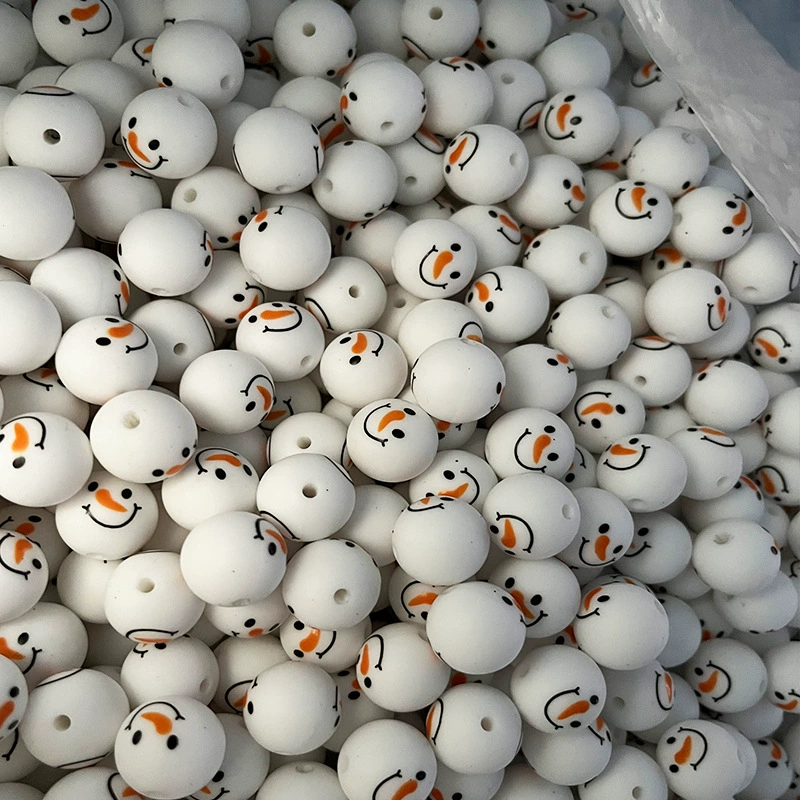
Selection of silicone beads for handmade jewelry
Choosing the Right Silicone Beads for Handmade Jewelry: A Practical Guide
Silicone beads are a versatile and popular choice for crafting handmade jewelry, especially for items like bracelets, necklaces, and keychains. Their soft texture, vibrant colors, and durability make them ideal for both casual and decorative pieces. However, selecting the right type requires careful consideration of material quality, size, shape, and safety standards. Here’s how to navigate the options effectively.
Understanding Material Quality for Longevity and Safety
The foundation of any high-quality silicone bead lies in its material composition. Opt for beads made from food-grade or medical-grade silicone, which are non-toxic and free from harmful chemicals like phthalates, BPA, and heavy metals. These materials are safe for skin contact, even for sensitive users, and resist discoloration or degradation over time.
To verify quality, look for certifications such as FDA (U.S. Food and Drug Administration) or LFGB (German food safety standards). These indicate compliance with strict safety regulations. Additionally, check if the beads can withstand high temperatures, as this ensures they won’t warp or melt during sterilization or exposure to sunlight.
Selecting Sizes and Shapes for Design Versatility
Silicone beads come in a wide range of sizes and shapes, each suited to different jewelry styles. For bracelets or anklets, smaller beads (4mm–8mm) create a delicate, layered look, while larger beads (10mm–15mm) make bold statements in necklaces or keychains.
Shape selection also plays a role in aesthetics and functionality. Round beads offer a classic, uniform appearance, while geometric shapes like hexagons or cubes add modern flair. For teething jewelry or sensory items, consider textured beads with raised patterns or bumps, which provide tactile stimulation.
When mixing sizes and shapes, ensure balance in your design. Pair larger focal beads with smaller spacers to avoid overwhelming the piece. For example, a chunky silicone pendant can be complemented by smaller, uniformly sized beads for a cohesive look.
Colorfastness and Aesthetic Appeal
Color is a defining feature of silicone beads, but not all dyes are created equal. Low-quality beads may fade, bleed, or transfer color onto skin or clothing over time. To avoid this, prioritize beads with permanent, embedded dyes that resist fading from sunlight, sweat, or frequent handling.
Test colorfastness by rubbing a bead against a white cloth after wetting it slightly. If no dye transfers, the beads are likely high-quality. For outdoor or active-wear jewelry, choose UV-resistant colors that won’t dull under prolonged sun exposure.
Consider the color palette of your project. Bold, contrasting hues work well for statement pieces, while pastels or neutrals create a subtle, elegant vibe. Mixing opaque and translucent beads can also add depth to your design.
Hole Size and Stringing Compatibility
The hole size of silicone beads determines their compatibility with different stringing materials. Most beads have holes ranging from 1mm–3mm, which work with elastic cord, nylon thread, or leather laces. For thicker cords or multiple strands, opt for beads with larger holes (2mm–3mm) to ensure smooth threading.
If you plan to use beads with small holes, ensure your cord is thin enough to fit without stretching the bead. This prevents breakage or misalignment in your design. For added security, consider knotting the cord between beads or using crimp beads to hold everything in place.
Safety Considerations for Wearable Jewelry
When crafting jewelry for children or individuals with sensitive skin, safety is paramount. Choose beads that are free from sharp edges or small detachable parts to prevent choking hazards. Rounded edges and smooth surfaces reduce the risk of irritation during prolonged wear.
For teething jewelry, ensure the beads are large enough (typically >25mm in diameter) to avoid swallowing. Additionally, verify that the material is non-toxic and can withstand saliva exposure without degrading.
If selling your handmade pieces, include care instructions to help users maintain the beads’ quality. Recommend gentle hand-washing with mild soap and air-drying to prevent damage.
Balancing Cost and Quality in Your Selection
While budget is a factor, prioritizing quality over price ensures your jewelry lasts longer and maintains its appearance. Cheaper beads may save money upfront but could fade, crack, or lose shape quickly, leading to frequent replacements.
Invest in beads that offer a balance of affordability and durability. Look for bulk options if you’re creating multiple pieces, as this often reduces the cost per bead. However, always inspect a sample first to confirm the quality meets your standards.
By considering material quality, size, shape, colorfastness, hole size, safety, and cost, you can select silicone beads that elevate your handmade jewelry. Whether you’re crafting for personal use or selling your creations, the right beads will ensure your designs are both beautiful and functional.

Leave a reply