


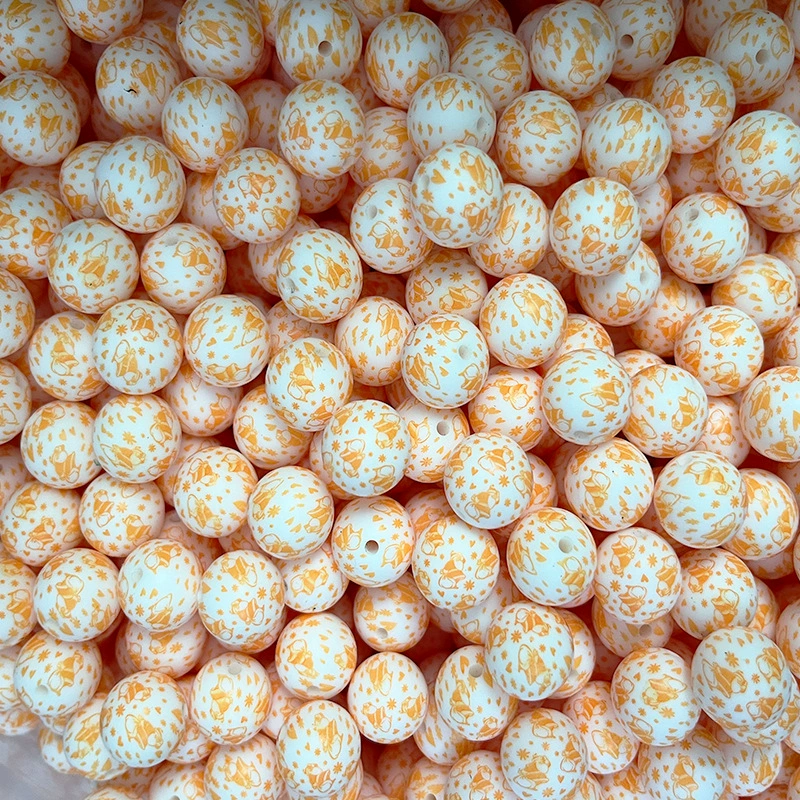
Silicone bead baby teething toy DIY
DIY Silicone Bead Teething Toys for Babies: Safe, Fun, and Customizable
Creating homemade teething toys for babies is a thoughtful way to ensure safety while offering a personalized touch. Silicone beads are an excellent choice for this project due to their soft texture, flexibility, and non-toxic properties. Below are step-by-step instructions for making three different types of silicone bead teething toys that are both engaging and soothing for little ones.
Simple Beaded Teething Ring
A beaded teething ring is easy to grasp and provides multiple textures for babies to explore. Start by selecting food-grade silicone beads in various shapes, such as rounds, hexagons, or stars. Ensure the beads are large enough to prevent choking hazards—aim for beads with a diameter of at least 1 inch.
Thread the beads onto a strong, flexible silicone cord or nylon thread. Alternate shapes and colors to create visual interest. Once all beads are added, tie the ends of the cord into a tight double knot. To secure the knot, add a small dab of non-toxic glue or melt the ends slightly with a lighter (if using nylon thread). Finally, attach a food-safe silicone ring to the center of the beaded strand using a secure knot.
Safety Considerations
- Always supervise babies while they use teething toys.
- Regularly inspect the toy for signs of wear, such as frayed cords or loose beads.
- Wash the toy frequently with mild soap and water.
Textured Bead Teething Necklace for Parents
A teething necklace worn by parents or caregivers provides a convenient solution for on-the-go soothing. Choose silicone beads with raised textures, such as bumps, ridges, or dimples, to stimulate baby’s gums. Mix in a few larger beads for added visual appeal.
Thread the beads onto a breakaway clasp cord designed specifically for teething necklaces. This type of clasp opens easily under pressure, reducing the risk of strangulation. Alternate textures and colors as you string the beads, leaving enough space between them to prevent clustering. Once finished, attach the breakaway clasp to both ends of the cord and test its functionality by gently pulling it apart.
Design Tips
- Use a color palette that complements your wardrobe for a stylish accessory.
- Add a few wooden or fabric beads (if food-safe) for variety.
- Keep the necklace short to avoid tangling.
Multi-Shape Bead Teething Wand
A teething wand offers babies a variety of shapes and textures to chew on. Begin by selecting silicone beads in different forms, such as hearts, circles, and triangles. Include at least one bead with a hole large enough to thread a wooden dowel or silicone stick through it.
Slide the beads onto the dowel or stick, arranging them in a pattern that feels balanced. Leave about 2 inches of space at one end for baby to hold. Secure the beads in place by tying a knot or adding a small silicone stopper at each end of the dowel. For extra safety, sand the edges of the dowel smooth to prevent splinters.
Customization Ideas
- Paint the dowel with non-toxic, child-safe paint in a bright color.
- Add a jingle bell (securely attached) for auditory stimulation.
- Create a themed wand using beads shaped like animals or stars.
Why Choose Silicone Beads for Teething Toys?
Silicone beads are ideal for teething toys because they are hypoallergenic, BPA-free, and resistant to bacteria growth. Unlike plastic, silicone does not contain harmful chemicals that could leach into baby’s mouth. Its soft yet durable nature makes it gentle on sensitive gums while withstanding repeated chewing.
Additionally, silicone beads are easy to clean—simply wash them with soap and water or toss them in the dishwasher. Their vibrant colors and diverse shapes also support sensory development by encouraging babies to explore different textures and visual patterns.
Tips for Selecting Materials
When gathering supplies for DIY teething toys, prioritize safety and quality:
- Look for beads labeled as “food-grade” or “teething-safe.”
- Avoid beads with small parts that could detach and pose a choking risk.
- Choose cords or threads that are strong enough to hold the beads but flexible enough for baby to handle.
If you’re unsure about a material’s safety, consult a pediatrician or do thorough research before using it.
Final Thoughts on DIY Teething Toys
Making teething toys at home allows you to control the materials used and create something unique for your baby. These projects are also a great way to repurpose leftover craft supplies or experiment with new designs. Whether you choose a simple ring, a stylish necklace, or a colorful wand, the key is to focus on safety and functionality.
Remember to test the toy yourself before giving it to baby—chew on it gently to ensure no sharp edges or loose parts exist. With a little creativity and attention to detail, you can craft teething toys that are both practical and adorable.


Leave a reply