


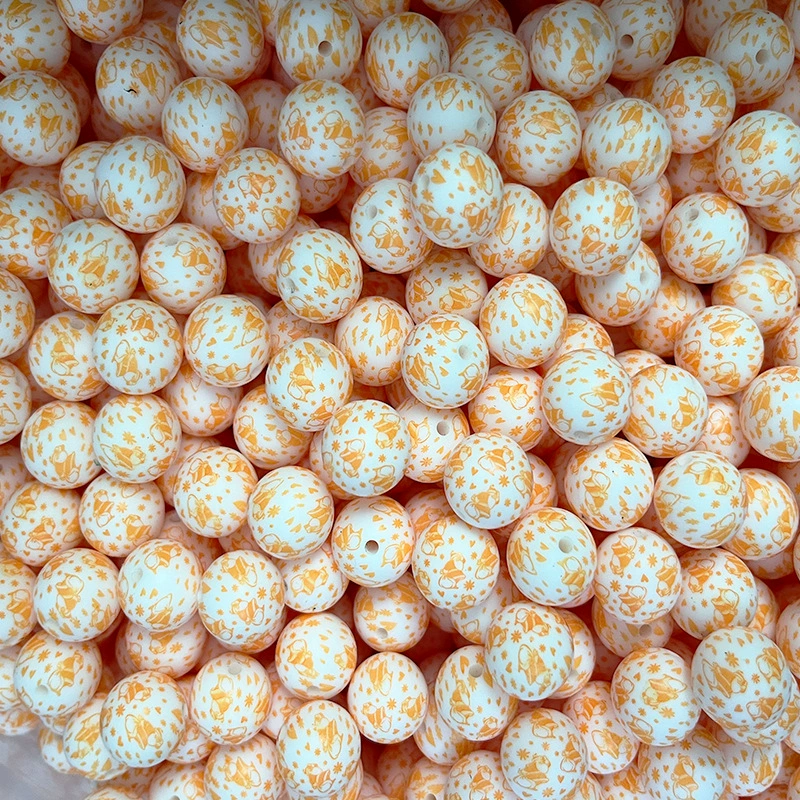
Silicone bead inlay technique operation
Essential Techniques for Silicone Bead Inlay Work
Silicone bead inlay is a craft that combines creativity with precision, allowing you to embed colorful beads into various surfaces for decorative purposes. Whether you’re working on jewelry, home decor, or accessories, mastering the basics of this technique will help you achieve professional-looking results. Here’s a step-by-step guide to getting started with silicone bead inlay.
Preparing Your Materials and Workspace
Selecting the Right Beads and Surface
The success of your inlay project depends on choosing beads and a surface that work well together. Silicone beads come in a wide range of shapes, sizes, and colors, so select options that complement your design vision. For beginners, starting with round or oval beads is often easier, as they fit neatly into most inlay patterns.
When it comes to the surface, ensure it’s stur enough to hold the beads in place. Common choices include wood, metal, or thick plastic. Avoid materials that are too soft or flexible, as they may not provide adequate support for the beads. Clean the surface thoroughly before starting to remove any dust or debris that could interfere with adhesion.
Organizing Your Tools
Having the right tools on hand will make the inlay process smoother. You’ll need a few basic items, such as a small adhesive applicator, tweezers, and a toothpick or small brush for adjusting beads. If you’re working on a larger project, consider using a template or stencil to guide your bead placement.
Keep your workspace tidy and well-lit to avoid misplacing beads or making errors. Lay out all your materials in an organized manner so you can easily access them as needed. This will help you stay focused and efficient throughout the project.
Creating the Base for Inlay
Applying Adhesive Evenly
The adhesive is the foundation of your inlay work, so it’s crucial to apply it correctly. Use a small brush or applicator to spread a thin, even layer of adhesive over the area where you plan to place the beads. Avoid applying too much adhesive, as it can seep out from under the beads and create a messy finish.
If you’re working on a large surface, apply the adhesive in sections to prevent it from drying before you have a chance to place the beads. Allow the adhesive to become tacky before proceeding—this usually takes a few minutes, depending on the type of adhesive you’re using.
Designing Your Pattern
Before placing any beads, take a moment to plan your design. You can sketch it out on paper first or use a template to visualize the layout. Consider factors like color balance, bead spacing, and overall symmetry to create a visually appealing composition.
If you’re new to inlay work, start with a simple pattern, such as a geometric shape or a basic floral design. As you gain confidence, you can experiment with more complex patterns and arrangements. Remember that the beauty of inlay work lies in its precision, so take your time to ensure each bead is placed exactly where you want it.
Placing and Securing the Beads
Using Tweezers for Precision
Tweezers are an invaluable tool for placing beads accurately, especially when working with small or delicate designs. Gently pick up each bead with the tweezers and position it on the adhesive-covered surface. Press down lightly to ensure the bead adheres properly, but be careful not to apply too much pressure, as this could distort the shape of the bead or the surface beneath it.
If you’re having trouble getting the beads to stay in place, try using a toothpick or small brush to apply a tiny amount of additional adhesive to the back of the bead before placing it. This can help improve adhesion, especially on smooth or non-porous surfaces.
Adjusting Bead Placement
Once you’ve placed a few beads, step back and check your work from a distance. This will help you spot any inconsistencies in spacing or alignment. Use the tweezers or a toothpick to gently nudge beads into the correct position if needed.
If you make a mistake or want to change part of your design, carefully lift the affected beads using the tweezers and clean away any residual adhesive with a cotton swab dipped in a small amount of rubbing alcohol. Allow the area to dry completely before reapplying adhesive and placing new beads.
Finishing Touches and Care
Sealing the Inlay
After all the beads are in place and the adhesive has dried completely, consider applying a sealant to protect your work. A clear, non-yellowing sealant will help prevent the beads from coming loose over time and shield them from dust, moisture, and fading.
Apply the sealant in thin, even coats using a small brush or spray bottle, depending on the type of sealant you’re using. Allow each coat to dry thoroughly before applying the next. Two or three coats should be sufficient to provide adequate protection.
Caring for Your Inlay Project
To keep your silicone bead inlay looking its best, handle it with care and avoid exposing it to harsh chemicals or extreme temperatures. Clean the surface gently with a soft, damp cloth if it becomes dirty, and avoid using abrasive cleaners or scrubbing brushes that could damage the beads or the sealant.
If you’re creating inlay work for jewelry or accessories, store them in a cool, dry place away from direct sunlight to prevent fading or discoloration. With proper care, your silicone bead inlay projects can last for years, retaining their beauty and vibrancy.
Exploring Advanced Techniques
Combining Bead Shapes and Sizes
Once you’ve mastered the basics of silicone bead inlay, try experimenting with different bead shapes and sizes to add visual interest to your designs. Mix round beads with square or triangular ones, or use larger beads as focal points surrounded by smaller ones.
Varying the bead sizes can create a sense of depth and dimension in your inlay work, making it appear more dynamic and engaging. Just be sure to adjust your adhesive application and placement technique accordingly to accommodate the different bead shapes.
Incorporating Other Materials
Silicone beads can be combined with other materials, such as metal accents, glass beads, or fabric elements, to create unique and eye-catching designs. For example, you could embed a few metal charms or glass beads among your silicone beads to add texture and contrast.
When working with multiple materials, consider how they will interact with each other in terms of color, texture, and durability. Choose materials that complement each other and ensure they’re all compatible with the adhesive and sealant you’re using.
By following these techniques and experimenting with different approaches, you can develop your skills in silicone bead inlay work and create stunning, one-of-a-kind pieces that showcase your creativity and craftsmanship.






Leave a reply