


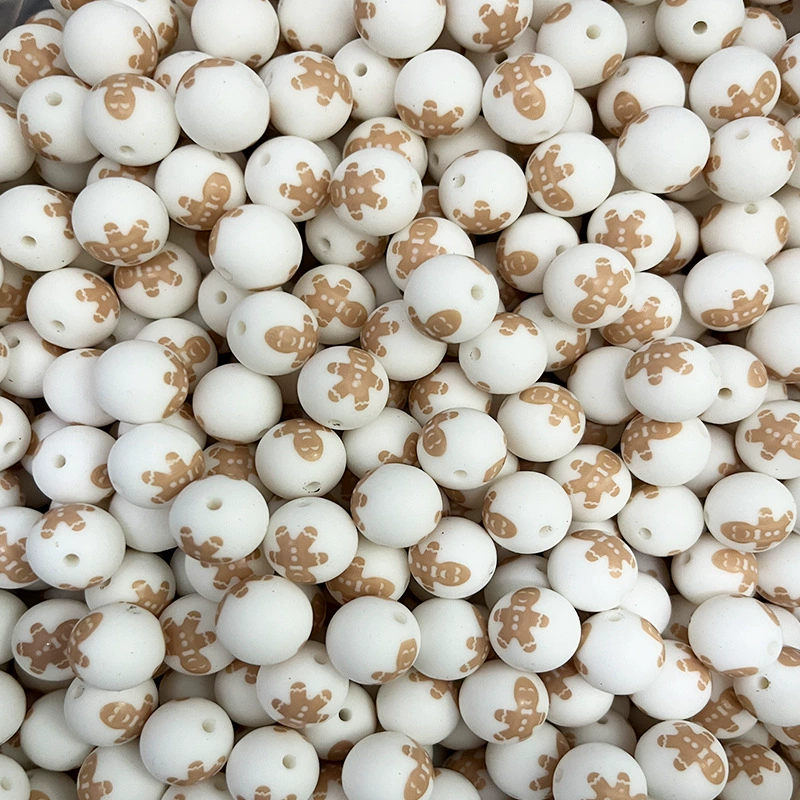
Silicone bead spacing arrangement method
Effective Spacing Techniques for Silicone Bead Combinations
Creating visually appealing silicone bead designs involves more than just choosing colors and shapes—spacing plays a crucial role in defining the overall look and feel of your jewelry or accessories. Whether you’re making bracelets, necklaces, or keychains, mastering the art of spacing silicone beads can elevate your projects from simple to sophisticated. Here’s how to achieve balanced and stylish bead arrangements using thoughtful spacing techniques.
Understanding the Importance of Bead Spacing
Spacing between silicone beads affects both the aesthetic appeal and functionality of your design. Proper spacing ensures beads sit evenly, prevents clumping, and allows for flexibility in wearable items like bracelets. It also helps highlight specific beads or patterns by giving them room to stand out. Before starting any project, consider the purpose of your design—whether it’s a statement piece or a subtle accent—and adjust your spacing accordingly.
Factors Influencing Bead Spacing
Several elements determine how far apart you should place silicone beads. The size of the beads is a primary factor; larger beads typically need more space between them to avoid a crowded look, while smaller beads can be placed closer together for a dense, textured effect. The thickness of your stringing material also matters—thicker cords or wires may require wider gaps to prevent beads from overlapping or sitting unevenly. Additionally, the intended use of the item influences spacing; jewelry meant to move freely, like a dangling necklace, benefits from looser spacing compared to a snug-fitting bracelet.
Bead Size and Shape Considerations
- Round beads often look best with consistent spacing, creating a uniform and polished appearance.
- Irregularly shaped beads, such as faceted or textured ones, may need variable spacing to accommodate their unique forms.
- Mixed bead sizes within a design require careful planning to ensure smaller beads don’t get lost among larger ones.
Techniques for Achieving Even Spacing
Maintaining consistent spacing between silicone beads is key to a professional finish. One effective method is using bead spacers—small, often plain beads designed to create gaps between decorative ones. These spacers come in various sizes and materials, allowing you to customize the distance between beads. If you prefer not to use spacers, you can measure the spacing manually using a ruler or a bead design board, marking the desired intervals before stringing.
Using Spacer Beads Creatively
Spacer beads aren’t just functional—they can also enhance your design by adding subtle texture or contrast. Choose spacers that complement your main beads in color or finish, such as metallic spacers between matte silicone beads or clear spacers to maintain a minimalist look. You can also vary the number of spacers between decorative beads to create a rhythmic pattern. For example, place one spacer after every two decorative beads, then switch to one spacer after every three beads for visual interest.
Alternating Spacer Styles
- Mix different shapes of spacers, like round and cylindrical, to add dimension without overwhelming the design.
- Use graduated spacers, where the size increases or decreases along the strand, to create a dynamic flow.
- Incorporate themed spacers, such as tiny stars or hearts, to reinforce a specific motif in your design.
Measuring Spacing Without Spacers
If you’re working without spacer beads, achieving even spacing requires precision. Start by cutting a length of stringing material slightly longer than your finished project will be. Thread your first bead, then use a ruler or a piece of tape marked with your desired spacing interval to guide the placement of subsequent beads. For example, if you want 5mm gaps between beads, measure 5mm from the edge of the first bead and mark the spot before threading the next bead. Repeat this process until all beads are strung, adjusting as needed to maintain consistency.
Tips for Manual Spacing
- Work in small sections to avoid losing track of your measurements.
- Use a bead design board with pre-marked intervals for easier spacing.
- Double-check your spacing by holding the strung beads up to a light source to see if gaps appear uneven.
Creating Patterns with Spaced Beads
Spacing isn’t just about maintaining uniformity—it’s also a tool for crafting intricate patterns and designs. By varying the distance between beads, you can create visual effects like gradients, waves, or geometric shapes. For instance, gradually increasing the spacing between beads of the same color can mimic a fading effect, while alternating tight and loose spacing can produce a zigzag pattern. Experimenting with different spacing arrangements allows you to discover unique combinations that reflect your personal style.
Designing Gradient Effects with Spacing
To create a gradient effect using silicone beads, start by selecting beads in shades of the same color, ranging from light to dark. Begin stringing with the lightest beads, placing them close together for a dense start. As you progress, gradually increase the spacing between beads while introducing darker shades. This combination of changing color and spacing creates a smooth transition that mimics a natural gradient. For a more dramatic effect, reverse the process by starting with dark beads and spacing them widely, then decreasing spacing as you move to lighter beads.
Enhancing Gradient Patterns
- Use metallic or glittery beads sparingly within the gradient to add highlights.
- Pair the gradient with a contrasting border of evenly spaced beads to frame the design.
- Incorporate small spacers between gradient beads to emphasize the color transition.
Crafting Geometric Patterns with Spacing
Geometric patterns rely on precise spacing to form shapes like triangles, squares, or diamonds. To create a triangular pattern, string beads in rows, adjusting the spacing between beads in each row to form the sides of the triangle. For example, the first row might have one bead, the second row two beads spaced widely apart, and the third row three beads with decreasing spacing to complete the triangle. Repeat this pattern along the strand, alternating the orientation of the triangles for added interest.
Tips for Geometric Spacing
- Use a bead design board or graph paper to plan your pattern before stringing.
- Mark the positions of each bead with a removable pen or tape to ensure accuracy.
- Start with simple shapes before progressing to more complex geometric designs.
By mastering these spacing techniques, you can transform ordinary silicone bead combinations into extraordinary designs that capture attention. Whether you prefer uniform spacing, creative patterns, or a mix of both, understanding how to manipulate the distance between beads opens up endless possibilities for your crafting projects. Experiment with different approaches, and don’t be afraid to break the rules to discover your unique style.







Leave a reply