


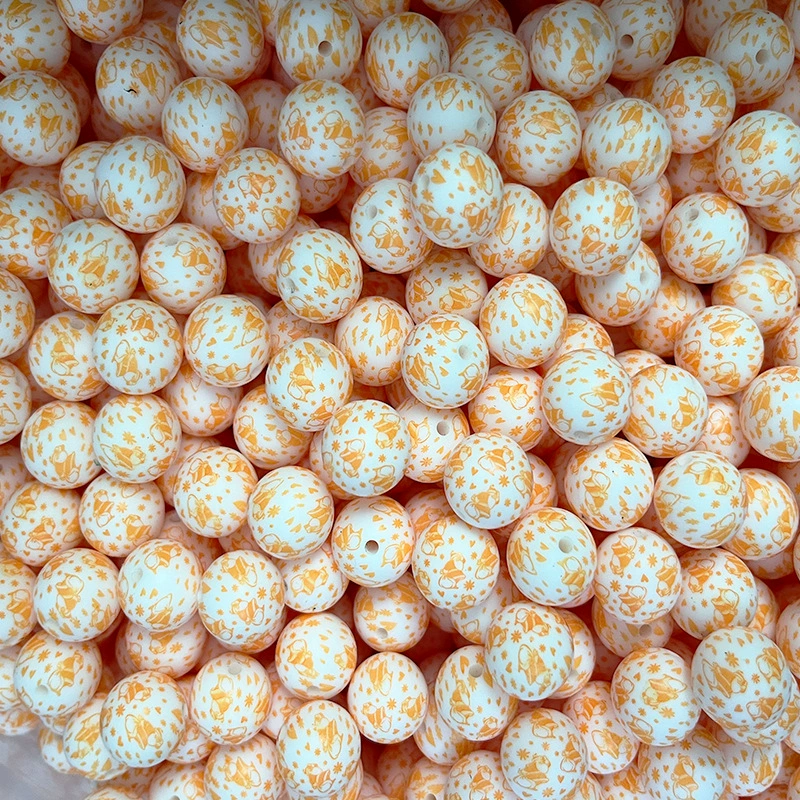
Silicone bead tensile rebound test
How to Perform a Tensile Recovery Test on Silicone Beads for DIY Projects
Silicone beads are prized for their flexibility and resilience, but not all meet the same standards. A tensile recovery test helps assess how well a bead returns to its original shape after stretching, which is crucial for projects requiring durability. Here’s a step-by-step guide to conducting this test effectively.
Preparing for the Test: Tools and Setup
Before starting, gather basic tools: a ruler or caliper for measuring, a flat surface, and a steady hand. Ensure the bead is clean and free of debris, as dirt or oils can affect results. If testing multiple beads, label them to track performance consistently. Choose a room-temperature environment to avoid temperature-related distortions, as extreme cold or heat can temporarily alter silicone’s flexibility.
Initial Measurement and Baseline Assessment
Begin by measuring the bead’s unstretched diameter or length, depending on its shape. For spherical beads, use a caliper to record the exact width. For cylindrical or irregular shapes, measure the longest dimension. Note this baseline measurement, as it will help determine the bead’s elasticity. A high-quality silicone bead should have consistent dimensions without visible defects like air bubbles or uneven thickness, which could skew results.
Applying Controlled Tension: Step-by-Step Stretching
Grasp the bead firmly between your thumb and forefinger on each end. Slowly pull it apart, applying steady pressure without jerking. Stretch the bead to roughly twice its original length or diameter, holding it for 5–10 seconds. This mimics real-world stress, such as pulling on a bracelet or keychain. Avoid overstretching, as this could damage even quality beads. If the bead tears or shows white stress marks, it likely fails the test.
Observing Recovery Behavior Post-Stretching
Release the tension gradually and observe how the bead responds. High-quality silicone will snap back to its original shape within seconds, with no visible sagging or deformation. Inferior beads may remain stretched, develop permanent creases, or take longer to recover. For a more precise assessment, measure the bead again immediately after release. A difference of more than 5% from the baseline suggests poor elasticity, which could lead to premature wear in projects.
Repeat Testing for Consistency
To ensure accuracy, repeat the test 3–5 times on the same bead, allowing it to rest for 1–2 minutes between stretches. Consistent recovery across trials indicates reliable material performance. If results vary significantly, the bead may have internal flaws or inconsistent composition. Testing multiple beads from the same batch can also reveal quality control issues, as variations between beads suggest uneven manufacturing processes.
Factors Influencing Test Outcomes
Several variables can affect tensile recovery results. Thicker beads may resist stretching more but could take longer to recover, while thinner ones stretch easily but risk tearing. Temperature plays a role too—cold silicone becomes stiffer, while heat makes it overly pliable. Humidity can also impact results, as moisture may temporarily soften the material. For fair comparisons, test beads under identical conditions and account for these factors when interpreting data.
By following these steps, you can evaluate silicone beads’ tensile recovery with confidence, ensuring your DIY projects withstand daily use without losing shape or function. Prioritize beads that demonstrate consistent, rapid recovery for long-lasting results.







Leave a reply