


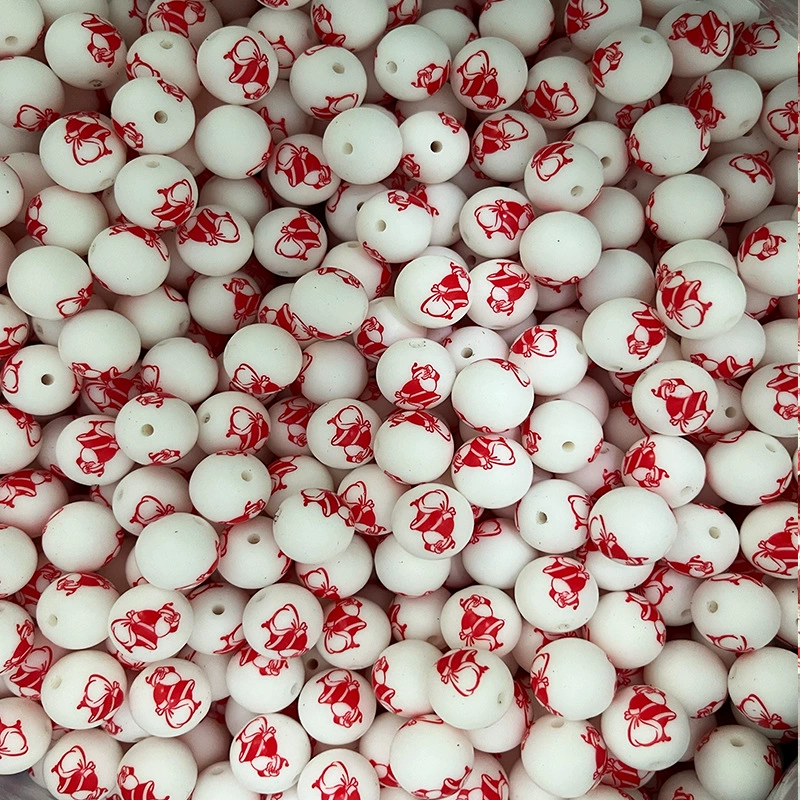
Silicone beads mixed with other beads
Mixing Silicone Beads with Other Bead Types: Creative Combinations for Unique Designs
Silicone beads have become a favorite among crafters and designers for their soft texture, vibrant colors, and versatility. When blended with other bead materials, they create dynamic, eye-catching pieces that stand out in jewelry, accessories, and home decor. Understanding how to balance silicone’s flexibility with the rigidity or shine of other beads opens endless possibilities for innovative designs.
Combining Silicone with Natural Materials for Organic Appeal
Wooden Beads: Adding Warmth and Texture
Wooden beads bring a rustic, earthy feel to silicone designs. Their natural grain patterns and muted tones contrast beautifully with the bold colors of silicone. For example, pairing small silicone rounds with larger wooden beads creates a focal point in necklaces or bracelets. The lightweight nature of both materials ensures comfort for everyday wear. When mixing these beads, consider using neutral wood shades like beige or walnut to let the silicone’s vibrancy take center stage.
Stone Beads: Grounding the Design with Earthy Tones
Stone beads, such as jasper, agate, or quartz, add weight and sophistication to silicone mixes. Their smooth, polished surfaces create a tactile contrast with silicone’s matte finish. In a bracelet, alternating silicone spacers with stone beads can highlight the stones’ natural patterns while maintaining flexibility. For a bolder look, use larger stone pendants with silicone beads as accents. The combination of organic stone and playful silicone suits bohemian or eclectic styles perfectly.
Shell Beads: Infusing Coastal Vibes
Shell beads introduce a beachy, iridescent quality to silicone designs. Their natural sheen and varied shapes—from round to teardrop—add visual interest without overwhelming the piece. Mixing silicone with shell beads works well in anklets or layered necklaces, where the beads’ movement enhances the design’s playful feel. Opt for shells in pastel hues like pink or blue to complement silicone’s brighter shades, creating a harmonious, summery aesthetic.
Pairing Silicone with Metallic Beads for Modern Edge
Metal Spacers: Enhancing Structure and Shine
Metal spacers, such as silver or gold-toned rings, add a touch of elegance to silicone bead projects. Their sleek, reflective surfaces break up the softness of silicone, creating a balanced, modern look. In a bracelet, alternating silicone beads with thin metal spacers can define sections or highlight a central charm. For a minimalist approach, use a single metal bead as a focal point amidst a sea of silicone, drawing attention without overwhelming the design.
Chain Links: Incorporating Industrial Chic
Chain links introduce an edgy, industrial vibe to silicone mixes. Their rigid, interconnected structure contrasts with silicone’s pliability, adding depth and texture. Try weaving silicone beads into a short chain necklace or using chain segments as extenders for bracelets. The combination suits urban or punk-inspired styles, where the mix of materials symbolizes strength and creativity. Opt for matte-finished chains to avoid overwhelming the silicone’s colors.
Hammered Metal Beads: Adding Artisanal Detail
Hammered metal beads feature textured surfaces that catch the light, creating a handmade, artisanal feel. When mixed with silicone, they add a tactile element that encourages touch and exploration. Use hammered beads sparingly in a design—such as a single pendant or a few accents—to let their unique texture shine. Pairing them with matte silicone beads creates a striking contrast, while glossy silicone can amplify the metal’s reflective qualities.
Blending Silicone with Glass and Crystal for Sparkle
Glass Beads: Creating Lightweight Luster
Glass beads offer a delicate, translucent quality that complements silicone’s opacity. Their smooth surfaces and varied shapes—from faceted to round—add dimension without adding bulk. In earrings, combining silicone drops with glass beads creates a whimsical, floating effect. For a more subtle approach, use clear glass beads as spacers between colorful silicone sections, letting the light play through the design.
Crystal Beads: Elevating the Design with Brilliance
Crystal beads, with their high refractive index, bring unmatched sparkle to silicone projects. Their geometric cuts reflect light in multiple directions, creating a dazzling focal point. Use crystal beads sparingly in a design—such as a single pendant or a few accents—to avoid overwhelming the silicone’s playful nature. Pairing them with pastel-colored silicone beads softens their intensity, while bold silicone shades can create a striking, high-contrast look.
Faceted Acrylic Beads: Mimicking Crystal at a Lower Cost
Acrylic beads with faceted surfaces offer a budget-friendly alternative to crystals, providing similar sparkle without the weight. Their lightweight nature makes them ideal for large, statement pieces like chandelier earrings or oversized necklaces. Mixing faceted acrylic with silicone beads creates a fun, youthful aesthetic that’s perfect for casual wear. Choose acrylic beads in colors that match or contrast with the silicone to create a cohesive or eclectic look.
Practical Tips for Mixing Bead Types
When combining silicone with other beads, consider the following to ensure a polished result:
Balance Texture and Color
Aim for a mix of textures—such as matte silicone with shiny metal or rough wood—to create visual interest. Similarly, balance bold silicone colors with neutral or muted tones from other beads to avoid overwhelming the design.
Prioritize Comfort and Durability
Ensure the final piece is comfortable to wear, especially if it’s a bracelet or necklace. Avoid overly heavy combinations of stone or metal beads with silicone, which could stretch or damage the silicone over time.
Experiment with Proportions
Vary the size and quantity of each bead type to create rhythm in the design. For example, use larger silicone beads as anchors with smaller metal or glass beads as fillers, or alternate between bead types in a repeating pattern.
By thoughtfully blending silicone beads with natural, metallic, or glass materials, designers can craft pieces that are both functional and visually stunning. The key lies in balancing contrasts—texture, color, and weight—to create harmonious, unique designs that reflect personal style.





Leave a reply