

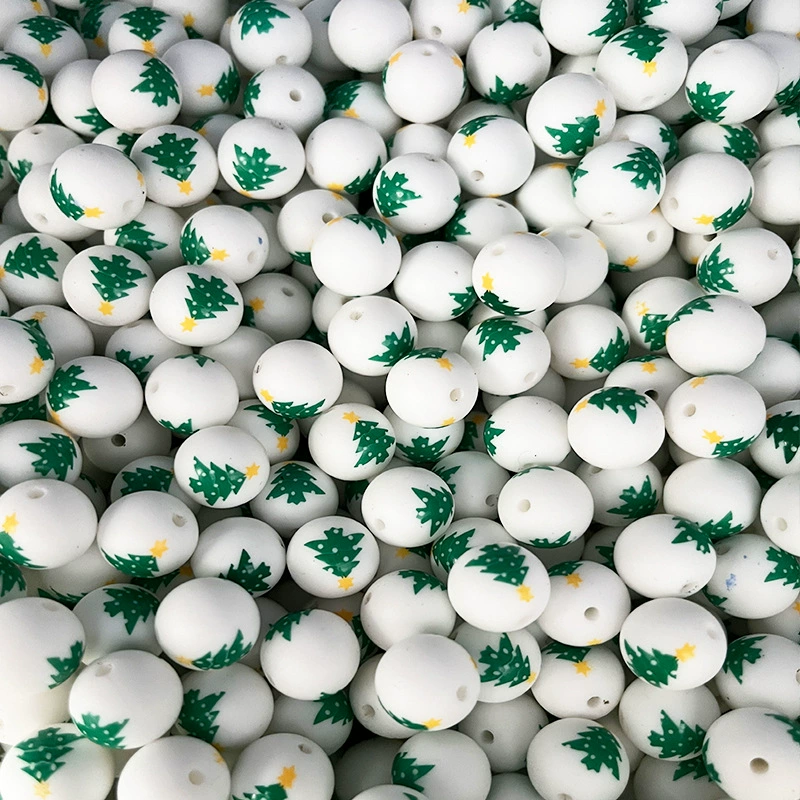
Design concept and goals Safety and comfort: Made mainly of food-grade silicone, it ensures that the necklace is safe and non-toxic when adhering to the... Continue reading
All categories
Return to previous page
Page 31
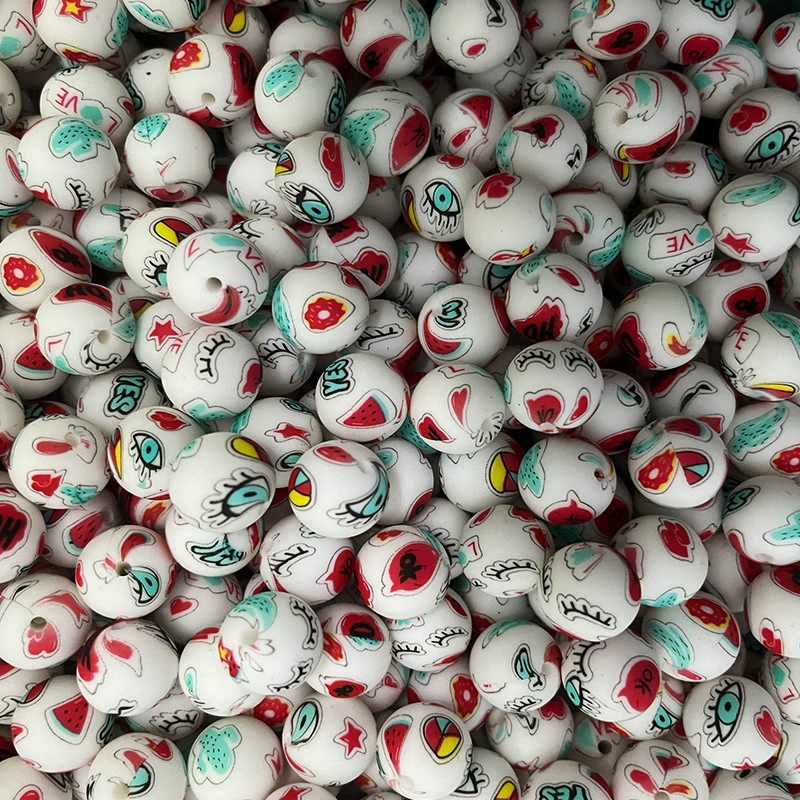
Design concept Ergonomic considerations Pen-holding posture adaptation: Different people have different pen-holding postures. Common ones include three-finger pen-holding and five-finger pen-holding, etc. When designing food-grade... Continue reading
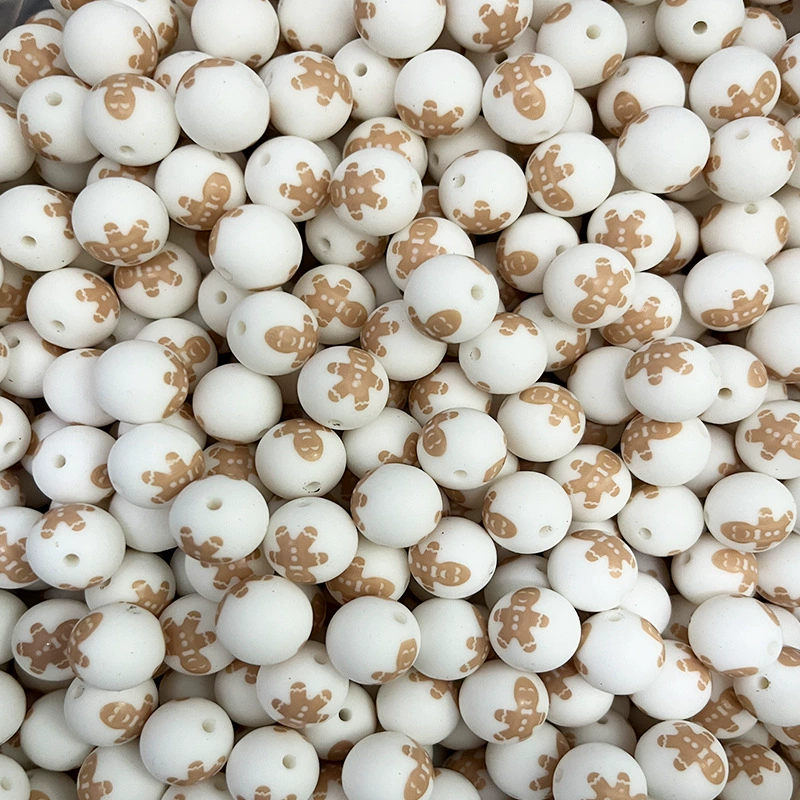
Preliminary preparation Material selection: Food-grade silicone is selected as the main material. It features excellent electrical properties and chemical stability, physiological inertness, non-toxicity, odorlessness, safety... Continue reading
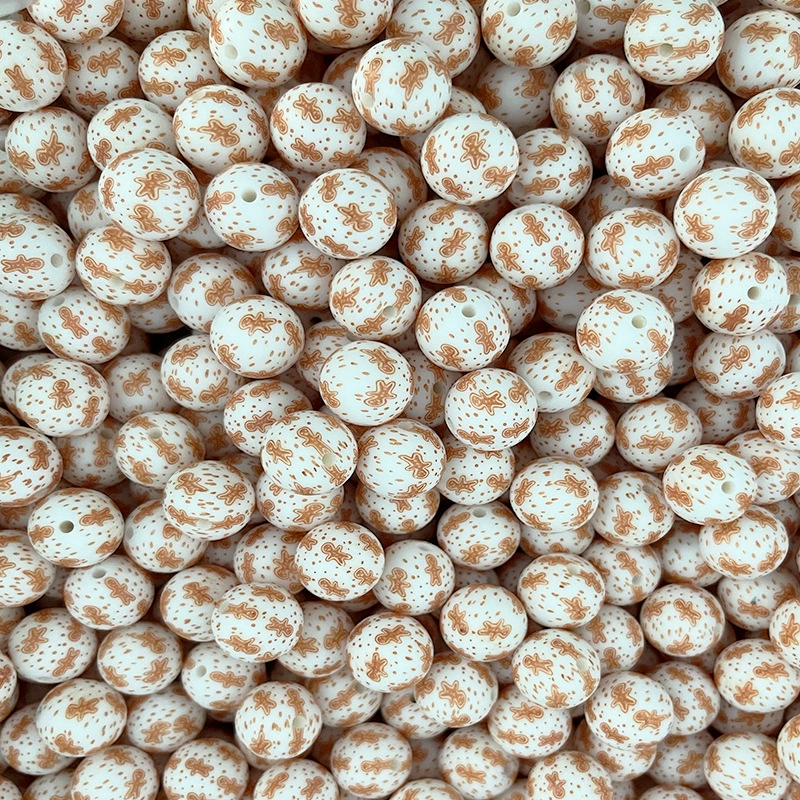
Preparations before matching Clarify the style tone Daily casual style: If you plan to wear it in daily travel, shopping and other scenarios, you can... Continue reading

Determine the pattern style and theme Style selection: Determine the style of the hollowed-out patterns based on the target audience and usage scenarios. If targeting... Continue reading
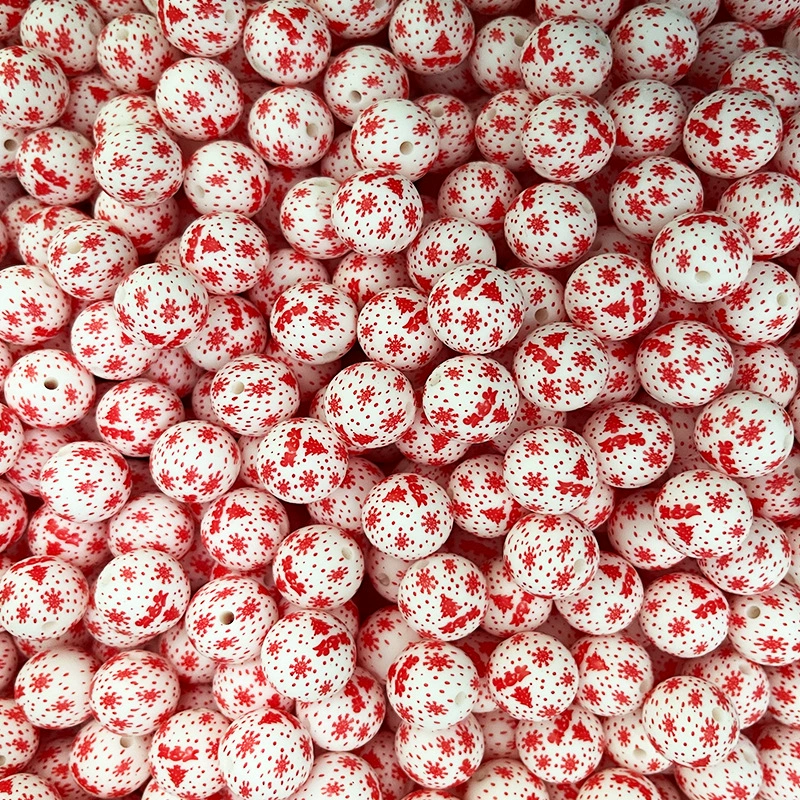
The elastic adjustment of food-grade silicone bracelets mainly involves the principles of raw material ratio, vulcanization process, additive usage, and product design. The following is... Continue reading
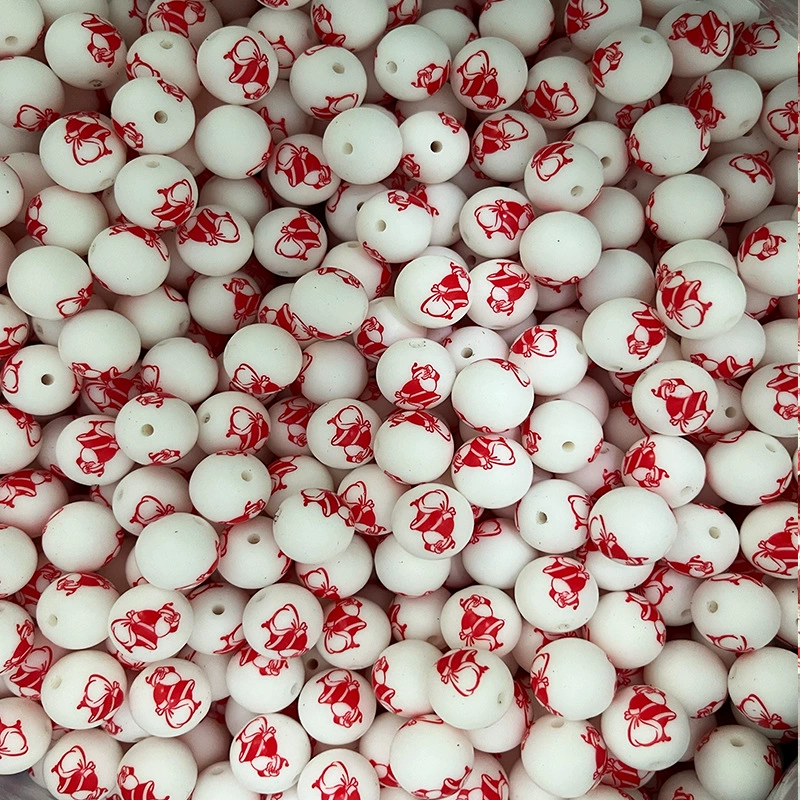
The three-dimensional embossing process flow of food-grade silicone key chains Mold preparation: Make molds based on the designed three-dimensional relief modeling. The quality of the... Continue reading
Food-grade silicone bracelets, with their safety, flexibility and design diversity, are suitable for all age groups and people with special needs. The following analysis is... Continue reading
To design the creative shape of food-grade silicone key chains, it is necessary to combine the characteristics of silicone materials, user demands, and market trends.... Continue reading
The common styles of food-grade silicone bracelets are diverse. The following is a classified introduction from three dimensions: process features, structural innovation, and functional expansion:... Continue reading
Showing 301–310 of 321 posts
Latest Post