


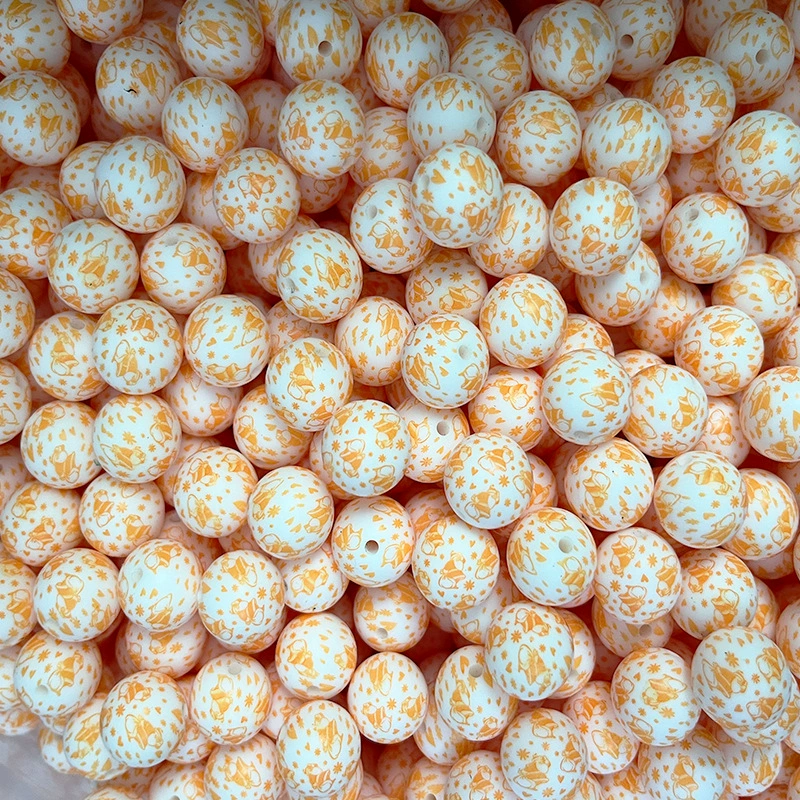
The method of connecting fine-pored silicone beads
How to String Together Small-Pore Silica Beads: A Comprehensive Guide
Small-pore silica beads, known for their high surface area and excellent moisture-absorbing properties, are widely used in various applications, from industrial processes to decorative crafts. Stringing these beads together requires careful consideration of the materials and techniques involved to ensure a secure and functional result. Here’s a detailed guide on how to string small-pore silica beads effectively.
Selecting the Right Thread or Cord for Stringing
The first step in stringing small-pore silica beads is choosing an appropriate thread or cord. The material you select should be strong enough to withstand the weight of the beads and any potential tension during use. Additionally, it should be resistant to moisture and chemicals if the beads will be exposed to such environments.
Nylon Thread for Durability and Flexibility
Nylon thread is a popular choice for stringing small-pore silica beads due to its high tensile strength and flexibility. It can handle the weight of multiple beads without breaking and is resistant to abrasion, making it suitable for applications where the string may rub against other surfaces. Nylon thread also has some elasticity, which can be beneficial if the beads need to absorb shock or move slightly without causing damage to the string.
When using nylon thread, ensure that you choose a thickness that matches the size and weight of the beads. Thicker threads are better for heavier beads, while thinner threads can be used for lighter, smaller beads. Additionally, consider using a thread with a waxed or coated finish, as this can reduce friction and make it easier to thread the beads onto the string.
Stainless Steel Wire for Heavy-Duty Applications
For applications where the stringed beads will be subjected to significant stress or exposure to harsh chemicals, stainless steel wire may be a better option. Stainless steel is highly durable and resistant to corrosion, making it ideal for industrial or outdoor use. It can also withstand high temperatures, which may be necessary if the beads are used in environments with extreme heat.
When using stainless steel wire, be sure to choose a gauge that is appropriate for the size and weight of the beads. Thicker gauges are stronger but may be more difficult to thread through the small holes in the beads. You may need to use specialized tools, such as wire cutters and pliers, to cut and manipulate the wire effectively.
Threading Techniques for Small-Pore Silica Beads
Once you have selected the appropriate thread or cord, the next step is to thread the small-pore silica beads onto it. This process requires patience and precision to ensure that the beads are evenly spaced and securely attached.
Using a Beading Needle for Precision
A beading needle can be a valuable tool when threading small-pore silica beads, especially if the holes in the beads are very small. Beading needles are thin and flexible, allowing them to pass easily through the tiny openings without damaging the beads. They come in various sizes, so choose one that matches the diameter of the holes in your beads.
To use a beading needle, simply thread the needle with your chosen thread or cord and then carefully insert the needle through the hole in each bead. Gently pull the bead along the thread until it reaches the desired position. Repeat this process for each bead, ensuring that they are spaced evenly and securely on the string.
Applying Wax or Lubricant for Smooth Threading
If you find that the thread or cord is having difficulty passing through the holes in the beads, you can apply a small amount of wax or lubricant to the thread. This can reduce friction and make it easier to thread the beads onto the string. Be sure to use a lubricant that is compatible with the material of your thread and beads, and avoid using too much, as this could cause the beads to slip or become dirty.
When applying wax or lubricant, start by rubbing a small amount onto the end of the thread. Then, gently pull the thread through your fingers to distribute the lubricant evenly along its length. You can also apply a small amount directly to the holes in the beads if necessary, but be careful not to get any on the surface of the beads, as this could affect their appearance or functionality.
Securing the Ends of the Stringed Beads
After threading all of the small-pore silica beads onto the string, the final step is to secure the ends to prevent the beads from sliding off. There are several methods you can use to do this, depending on the type of thread or cord you are using and the intended use of the stringed beads.
Knotting Techniques for a Simple and Secure Finish
One of the simplest ways to secure the ends of the stringed beads is by tying a knot. There are several types of knots you can use, such as a square knot or a double knot, depending on the level of security you need. To tie a square knot, simply cross the two ends of the thread over each other, then tuck one end under the other and pull tight. Repeat this process with the opposite ends to create a secure knot.
For added security, you can tie a double knot by repeating the knotting process twice. This will help prevent the knot from coming undone, especially if the stringed beads will be subjected to movement or stress. You can also add a drop of glue or clear nail polish to the knot to further reinforce it, but be sure to let it dry completely before using the stringed beads.
Using Crimps or Bead Tips for a Professional Look
If you want a more professional and polished finish, you can use crimps or bead tips to secure the ends of the stringed beads. Crimps are small metal tubes that can be crimped shut around the thread or cord to hold the beads in place. Bead tips are small plastic or metal caps that can be attached to the ends of the thread and then closed to conceal the knot and provide a neat finish.
To use crimps, simply slide a crimp onto the thread or cord after threading the last bead. Then, use a pair of crimping pliers to squeeze the crimp shut around the thread, securing it in place. Be sure to position the crimp close to the last bead to prevent the beads from sliding off. For bead tips, follow the manufacturer’s instructions for attaching them to the ends of the thread and closing them securely.






Leave a reply