


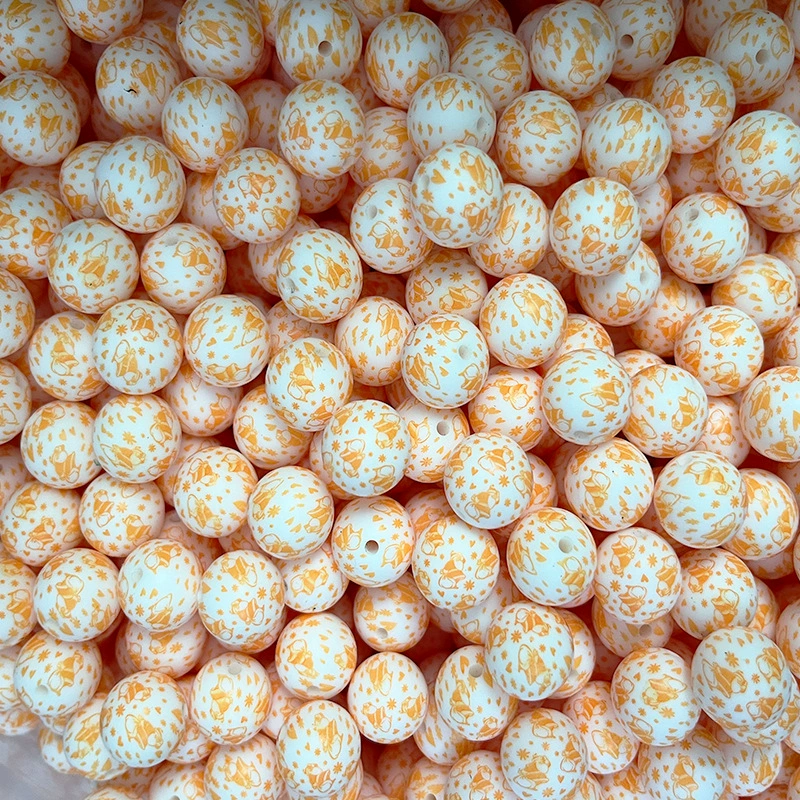
The principle of luminescence of luminous silicone beads
The Luminescent Mechanism of Glow-in-the-Dark Silicone Beads
Glow-in-the-dark silicone beads are a fascinating innovation, combining the flexibility of silicone with the ability to emit light after exposure to a light source. These beads are widely used in crafts, jewelry, and safety applications, offering a soft, enduring glow that enhances visibility in low-light conditions. Understanding their luminescent process involves exploring the principles of photoluminescence and the materials that make this effect possible. Below, we delve into the science behind their glow and how it influences their performance.
Absorption and Storage of Light Energy
Photoluminescent Pigments at the Core
The glow in glow-in-the-dark silicone beads originates from photoluminescent pigments embedded within the silicone matrix. These pigments, often strontium aluminate or zinc sulfide-based compounds, have a unique ability to absorb photons from ambient light, such as sunlight or artificial lighting. When light strikes the pigment particles, electrons within the material become excited, jumping to a higher energy state. This energy absorption phase is crucial for the subsequent glow effect.
Duration of Light Exposure and Energy Retention
The intensity and duration of the initial light exposure directly impact how long the beads will glow. Brighter or more prolonged exposure allows the pigments to store more energy, resulting in a longer-lasting glow. For example, beads charged under direct sunlight for several hours will emit light for a significantly longer period compared to those exposed to dim indoor lighting for a short time. This energy retention capability makes glow-in-the-dark beads practical for applications requiring sustained visibility.
Role of Particle Size and Distribution
The size and uniform distribution of photoluminescent particles within the silicone also influence the glow effect. Smaller particles tend to absorb and emit light more efficiently, producing a brighter glow. Additionally, an even distribution ensures consistent luminescence across the entire bead, avoiding patches of weaker or stronger glow. Manufacturers carefully control these factors during production to optimize the beads’ performance.
Emission of Stored Light Energy
Slow Release of Photons in the Dark
Once the light source is removed, the excited electrons in the photoluminescent pigments gradually return to their ground state, releasing stored energy in the form of photons. This process, known as phosphorescence, occurs at a much slower rate than the initial absorption, creating the characteristic afterglow effect. Unlike fluorescence, which stops emitting light almost immediately after the light source is removed, phosphorescence allows the beads to glow for hours or even overnight, depending on the pigment type and charge level.
Wavelength of Emitted Light
The color of the glow emitted by silicone beads depends on the specific photoluminescent pigment used. Common glow colors include green, blue, and aqua, each corresponding to different wavelengths of light. Green-glowing pigments, for instance, emit photons in the 500–570 nanometer range, which is highly visible to the human eye. The choice of pigment allows designers to tailor the beads’ glow to specific aesthetic or functional requirements.
Influence of Temperature on Glow Duration
Temperature plays a subtle yet significant role in the glow duration of these beads. Cooler environments slow down the rate at which excited electrons return to their ground state, prolonging the glow. Conversely, higher temperatures accelerate this process, reducing the glow time. For example, beads stored in a refrigerator before use may glow slightly longer than those kept at room temperature, making temperature control a consideration for optimal performance.
Factors Affecting Performance and Longevity
Quality and Type of Photoluminescent Pigments
Not all photoluminescent pigments are created equal. High-quality pigments, such as those based on strontium aluminate, offer superior brightness and longer glow times compared to older zinc sulfide-based alternatives. The purity and composition of the pigment also matter; impurities or inconsistent formulations can reduce the beads’ ability to absorb and emit light efficiently. Manufacturers select pigments based on the desired glow characteristics and durability.
Thickness and Transparency of the Silicone Layer
The thickness of the silicone coating around the photoluminescent particles affects light absorption and emission. Thicker layers may block some incoming light, reducing the amount of energy stored, while overly thin layers could fail to protect the pigments from environmental factors. Additionally, transparent or translucent silicone allows more light to reach the pigments during charging and more emitted light to pass through during glowing, enhancing overall brightness.
Environmental Conditions and Aging Effects
Exposure to moisture, chemicals, or UV radiation over time can degrade the photoluminescent pigments, diminishing the beads’ glow intensity and duration. For instance, repeated washing or immersion in water may cause the pigments to leach out or lose their effectiveness. Similarly, prolonged exposure to sunlight without proper UV protection can fade the glow. Storing the beads in a cool, dry place away from direct sunlight helps preserve their luminescent properties for longer.
By harnessing the principles of photoluminescence and carefully selecting materials and manufacturing processes, glow-in-the-dark silicone beads achieve their remarkable ability to emit light in the dark. Their versatility and enduring glow make them a valuable tool for enhancing safety, creativity, and functionality in a wide range of applications.







Leave a reply