


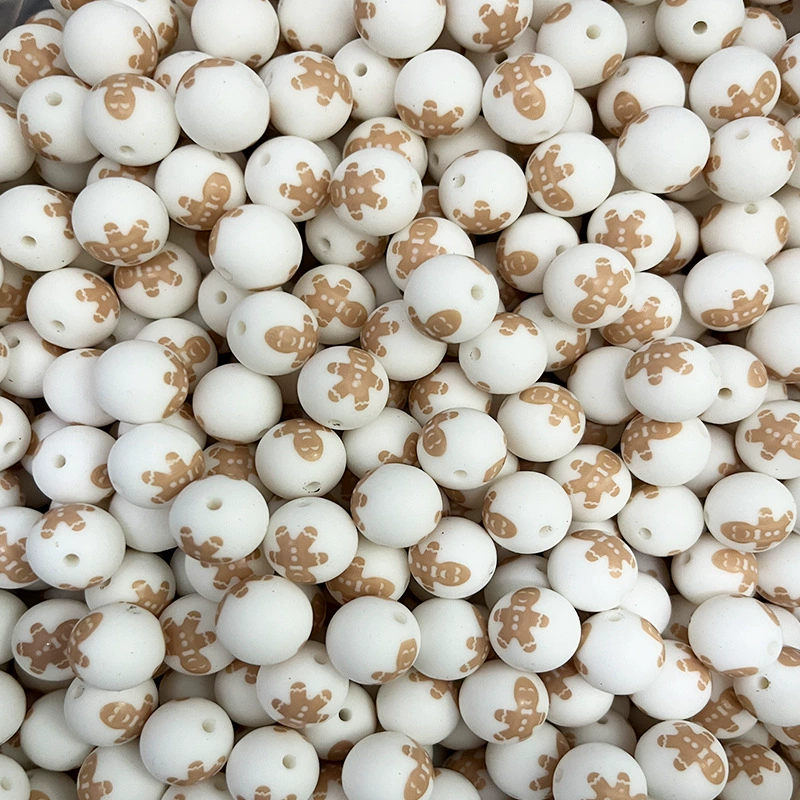
Tips for selecting bulk silicone beads
Essential Tips for Buying Silicone Beads in Bulk
Purchasing silicone beads in bulk is a cost-effective solution for businesses in crafting, manufacturing, or retail. However, ensuring quality and safety requires careful evaluation of materials, suppliers, and compliance standards. This guide provides actionable insights to help you make informed decisions when sourcing large quantities of silicone beads.
Understanding Your Application Requirements
The first step in bulk purchasing is defining the intended use of the silicone beads. Different applications demand specific properties, such as heat resistance, flexibility, or food-grade safety.
Key factors to consider:
- Industry standards: Silicone beads for medical devices must meet biocompatibility requirements (e.g., ISO 10993-1), while food-contact beads need FDA or EU compliance.
- Environmental conditions: Will the beads be exposed to extreme temperatures, UV light, or chemicals? For example, automotive or industrial uses may require beads rated for -40°C to 200°C.
- Physical demands: High-traffic areas like shoe soles or stress-relief toys need beads with high tensile strength (≥7 MPa) and tear resistance to avoid premature wear.
Mismatch risks: Using standard-grade beads in medical applications could lead to regulatory penalties, while low-heat-resistance beads in automotive parts may deform under engine heat.
Evaluating Material Quality and Safety Certifications
Silicone beads vary in purity and additives, which impact their safety and performance. Prioritize suppliers that provide transparent material data and certifications.
Critical quality indicators:
- Chemical composition: Authentic silicone beads are made from 100% silicone polymers (mSiO₂·nH₂O). Avoid beads with fillers like calcium carbonate, which reduce durability and may leach harmful substances.
- Additive-free formulations: For food or skincare products, ensure beads are free from phthalates, BPA, and heavy metals. Look for certifications like FDA 21 CFR 177.2600 or EU REACH compliance.
- Thermal stability tests: Reputable suppliers conduct accelerated aging tests (e.g., 200°C for 24 hours) to confirm beads retain elasticity and don’t release VOCs.
Certification checklist:
- ISO 9001: Indicates consistent quality management in production.
- RoHS: Ensures beads are free from restricted hazardous substances like lead and mercury.
- EN 71-3: Validates safety for toys, limiting heavy metals to ≤90 mg/kg for lead.
Assessing Supplier Reliability and Production Capacity
Bulk orders require suppliers capable of meeting volume demands without compromising quality. Evaluate their track record, production processes, and communication channels.
Supplier evaluation criteria:
- Manufacturing experience: Prefer suppliers with 5+ years in silicone production, as they’re more likely to have refined processes and quality control systems.
- Sample testing: Request free samples to assess bead consistency, color accuracy, and tactile feel. Test samples for elasticity by stretching them to 200% of their original size; they should recover without tearing.
- Lead times and scalability: Inquire about minimum order quantities (MOQs) and production cycles. A reliable supplier should offer flexible MOQs (e.g., 1,000–10,000 pieces) and short lead times (2–4 weeks for standard orders).
Red flags:
- Suppliers unwilling to share material safety data sheets (MSDS) or test reports.
- Inconsistent bead sizes or colors in samples, indicating poor quality control.
- Long lead times without clear explanations, suggesting overstretched production capacity.
Verifying Packaging and Storage Compatibility
Proper packaging prevents damage during shipping and storage, especially for bulk orders. Silicone beads are sensitive to moisture, dust, and physical compression, so packaging must protect their integrity.
Packaging considerations:
- Material: Opt for sealed plastic bags or vacuum-packed containers to prevent moisture absorption, which can cause clumping or mold growth.
- Layering: For large orders, use sturdy cardboard boxes with internal dividers to separate beads by size or color, reducing tangling and scratches.
- Labeling: Ensure each package is clearly labeled with batch numbers, production dates, and safety warnings (e.g., “Keep away from heat sources”).
Storage tips:
- Store beads in a cool, dry place (≤25°C) away from direct sunlight to prevent UV degradation.
- Avoid stacking heavy items on top of bead packages to prevent deformation.
- Rotate stock regularly to use older batches first, reducing waste from long-term storage.
Conducting Due Diligence on Ethical and Sustainable Practices
Consumers and businesses increasingly prioritize ethical sourcing and environmental responsibility. Choose suppliers that align with these values to enhance brand reputation and comply with global regulations.
Sustainability indicators:
- Recycled materials: Some suppliers use post-industrial recycled silicone to reduce waste. While recycled beads may have slight color variations, they perform equally well in most applications.
- Energy-efficient production: Look for factories using solar power or waste-heat recovery systems to minimize carbon footprints.
- Waste management: Suppliers should have protocols for recycling scrap silicone and treating wastewater from production.
Ethical considerations:
- Fair labor practices: Verify that suppliers adhere to international labor standards (e.g., no child labor, safe working conditions).
- Transparency: Suppliers should openly share their supply chain details, including raw material sources and subcontractor information.
By focusing on application requirements, material quality, supplier reliability, packaging, and sustainability, you can confidently purchase silicone beads in bulk that meet your needs while upholding safety and ethical standards.



Leave a reply